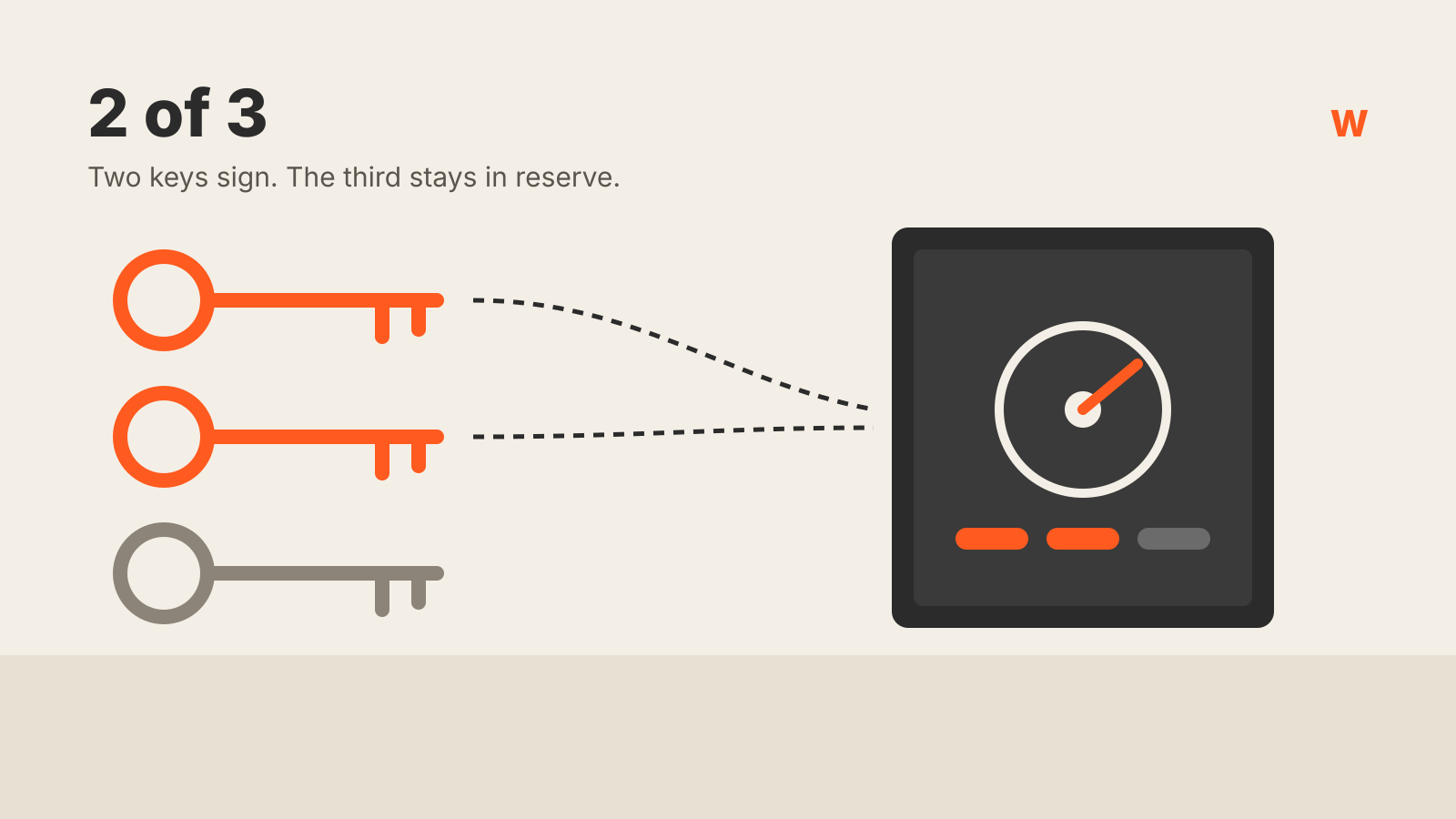
A multisig wallet holds funds that can only move when several keys sign, not just one. The rule is written as M-of-N: with a 2-of-3 wallet, any two of three keys can approve a payment, so one lost or stolen key is neither enough to spend the money nor enough to lock it away for good.
That is the whole idea. The rest is detail about how the rule is enforced, who holds the keys and what new chores the setup brings.
The problem a single key creates
In an ordinary wallet, one private key controls the funds. Whoever has that key, or the recovery phrase that rebuilds it, can move everything. That makes a single key two kinds of risk at once:
- Theft. Malware, a phishing page or a tampered device that captures the key gets the whole balance.
- Loss. A destroyed backup or a forgotten phrase locks the owner out, with no one to call.
Splitting control across several keys addresses both. An attacker now needs more than one key, and an owner who loses one key can still reach the funds with the others. Our explainer on self-custody versus an exchange account covers the wider choice of who holds keys in the first place.
How M-of-N works on Bitcoin
Bitcoin has had a standard form for this since 2011. BIP 11, written by Gavin Andresen and now marked Deployed, made an “m-of-n” script using the OP_CHECKMULTISIG operation a standard transaction type. Funds sent to such a script can only be spent with signatures from at least m of the n listed public keys.
The proposal gave two motivating cases that still describe most uses today:
- Wallet protection. A 2-of-2 setup where one key sits on the user’s computer and the other with a protection service that can check with the user before co-signing.
- Escrow. A 2-of-3 setup where buyer, seller and a dispute agent each hold a key. Any two can release the funds, so the agent only steps in when the other two disagree.
BIP 11 also recorded the limits of its time: the standard form covered n of up to 3 keys, and the scriptSig size limit for relay was raised from 200 to 500 bytes to fit three signatures. It notes a quirk that still shows up in Bitcoin script today: spending starts with an extra OP_0 because of a bug in OP_CHECKMULTISIG that takes one item too many from the stack.
How it works in a smart-contract account
On Ethereum and similar chains, multisig is usually a smart contract rather than a script type. Safe is a widely used example. Its documentation describes a Safe account as a contract account that “does not have a private key to sign transactions.” Instead, the contract keeps a list of owner addresses and a threshold.
- Threshold. The number of owner confirmations needed before a transaction can run. Safe says it “can be set between one and the total number of owners.”
- Execution. A transaction executes only once the required number of owners has signed it.
- Changes. Owners can add or remove other owners and change the threshold, through the same signing process.
Because the rules live in code, a contract account can do more than count signatures. Safe supports modules, which add features, and guards, which run checks before and after a transaction. That flexibility cuts both ways: Safe’s documentation notes that a module “can bypass signature verification logic,” so every module added to an account is one more thing to trust.
Choosing M and N
The numbers are a trade-off between safety and availability.
| Setup | Survives a lost key | Survives a stolen key | Typical use |
|---|---|---|---|
| 1-of-2 | Yes | No | Shared access, little extra security |
| 2-of-2 | No | Yes | Two parties who must both agree |
| 2-of-3 | Yes, one | Yes, one | Personal savings, small teams, escrow |
| 3-of-5 | Yes, two | Yes, two | Company treasuries, larger teams |
The table follows from the arithmetic, not from any one product: with M-of-N, up to N minus M keys can be lost and up to M minus 1 keys can be stolen before funds are lost or exposed.
A threshold of 1 gives back the single-key problem. A threshold equal to N means any lost key freezes the funds. Most setups land in between.
What multisig does not fix
Several keys are only safer if they fail independently. If all three keys of a 2-of-3 wallet sit on the same laptop, or their backups share one drawer, a single event can still take two of them.
Multisig also adds work:
- Coordination. Every payment needs several people or devices to sign, which slows urgent transfers.
- Backup of the setup itself. On Bitcoin, recovering a multisig wallet needs the full list of public keys and the M-of-N rule, not just one key’s recovery phrase. Losing that information can be as bad as losing keys.
- Contract risk. A smart-contract account is only as safe as its code and any modules attached to it.
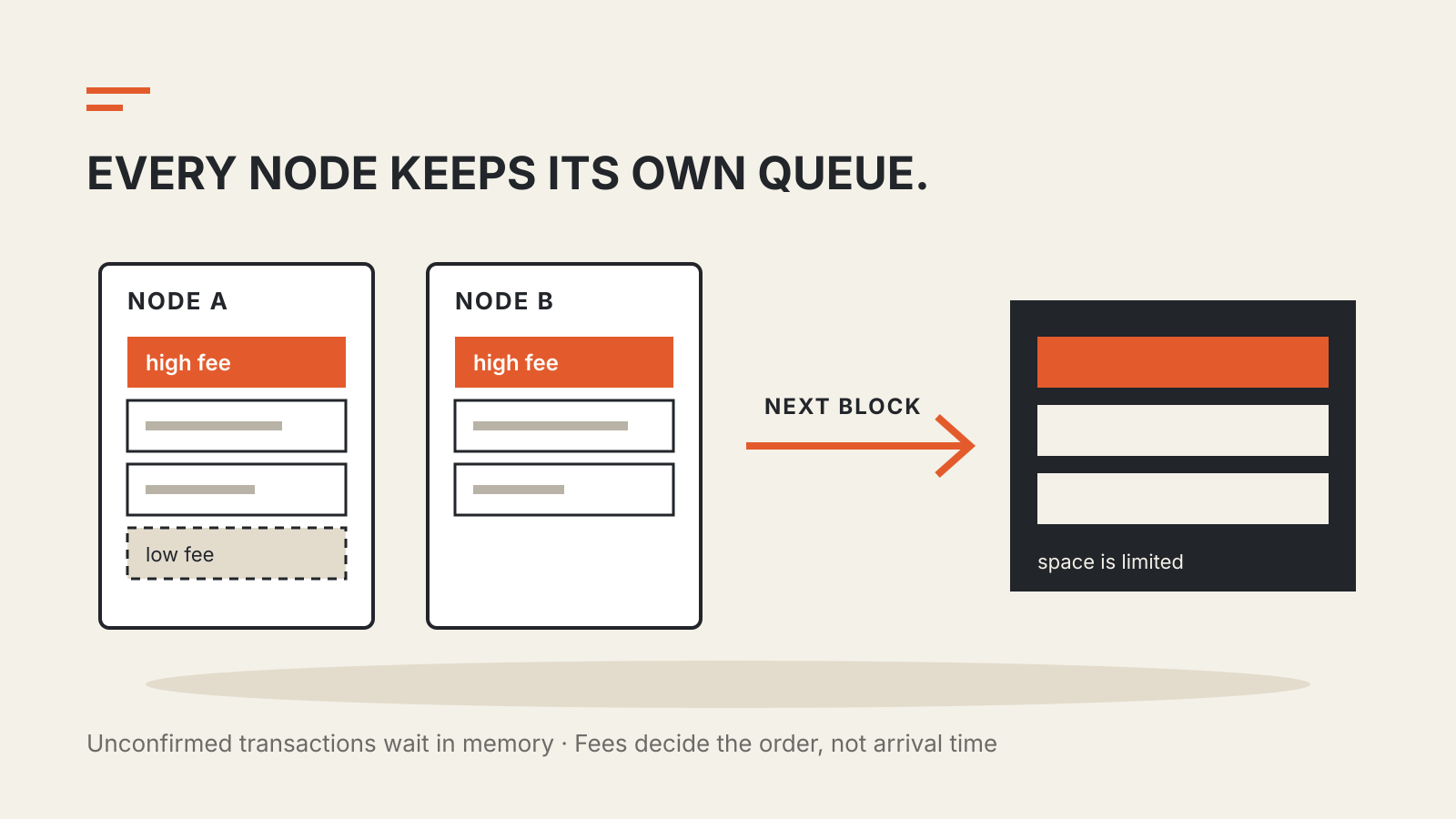
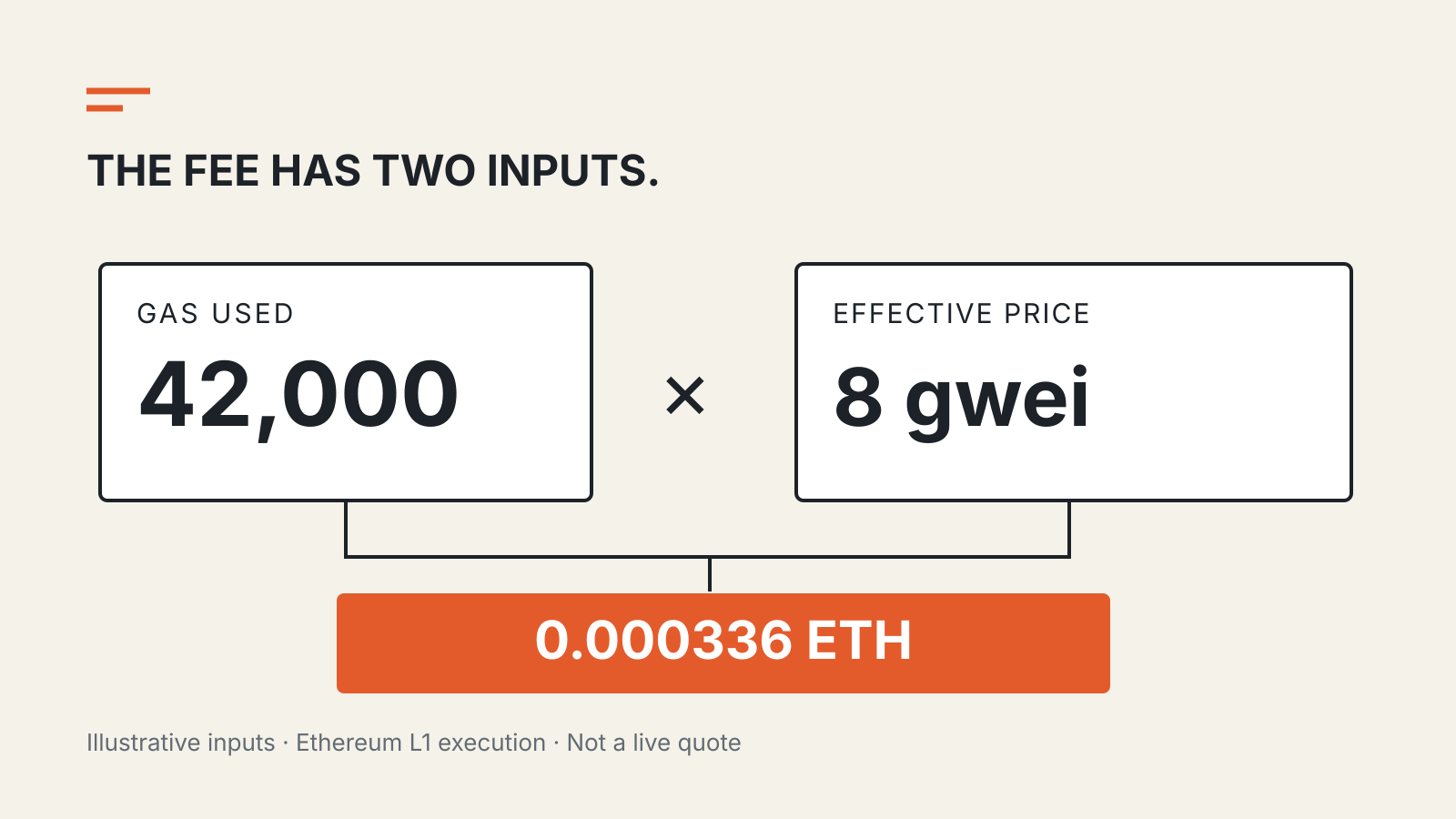
- Fees. More signatures mean more data, which can cost more in network fees. Our explainer on crypto network fees covers why size and computation drive cost.
Hardware matters too. A multisig made of tampered devices fails like a single tampered device; our report on the Trezor Safe 5 implant shows how a compromised supply chain can expose recovery phrases.