
Explainers
Practical explanations of the systems behind everyday technology and money.

Employee Stock Options Vesting: Cliff, Strike and Window
How the strike price, vesting cliff and exercise window decide what an option grant is worth, with worked numbers.
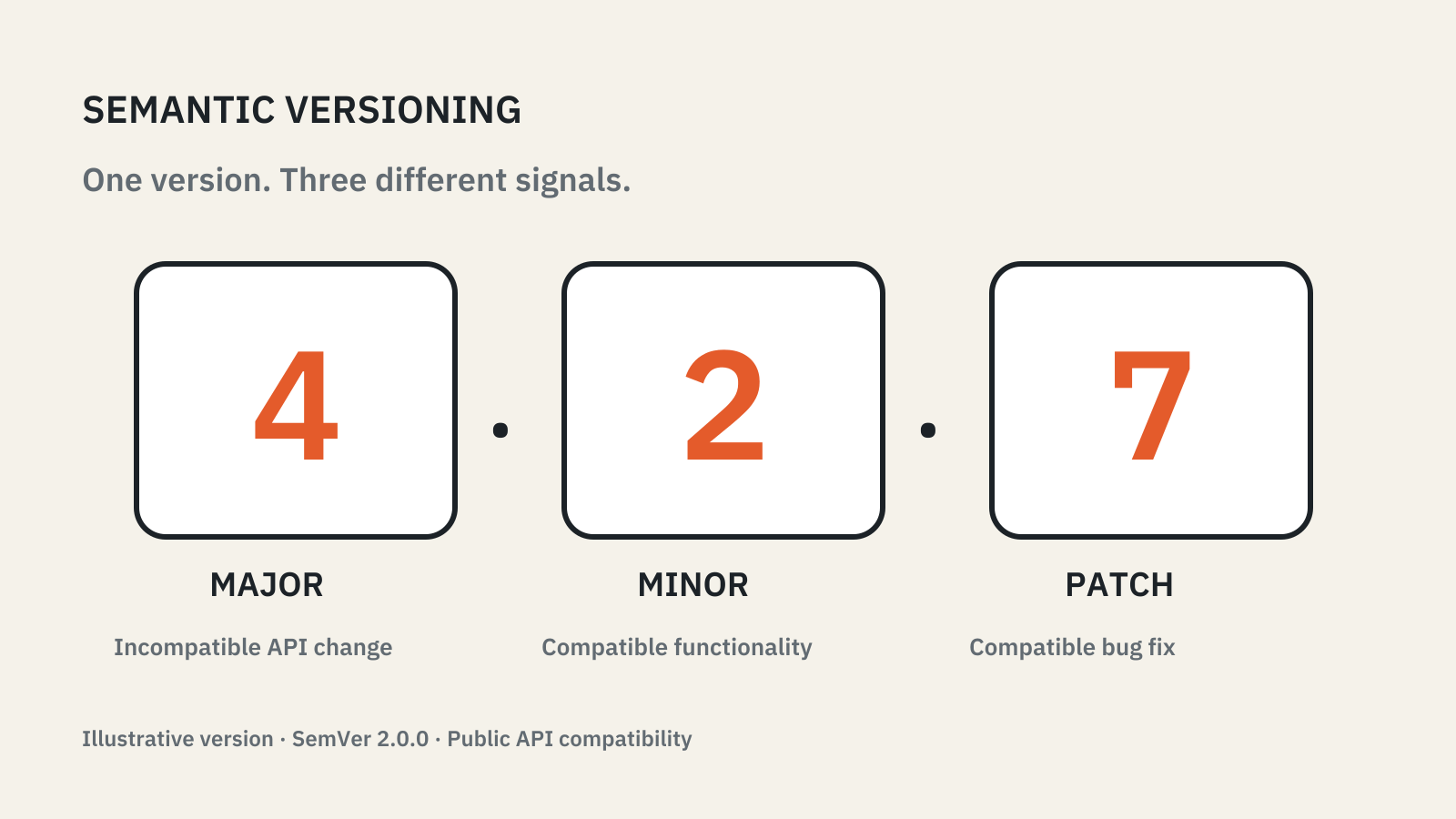
Semantic Versioning Explained: Major, Minor and Patch
Major, minor and patch describe API compatibility; your dependency range and lockfile decide what gets installed.
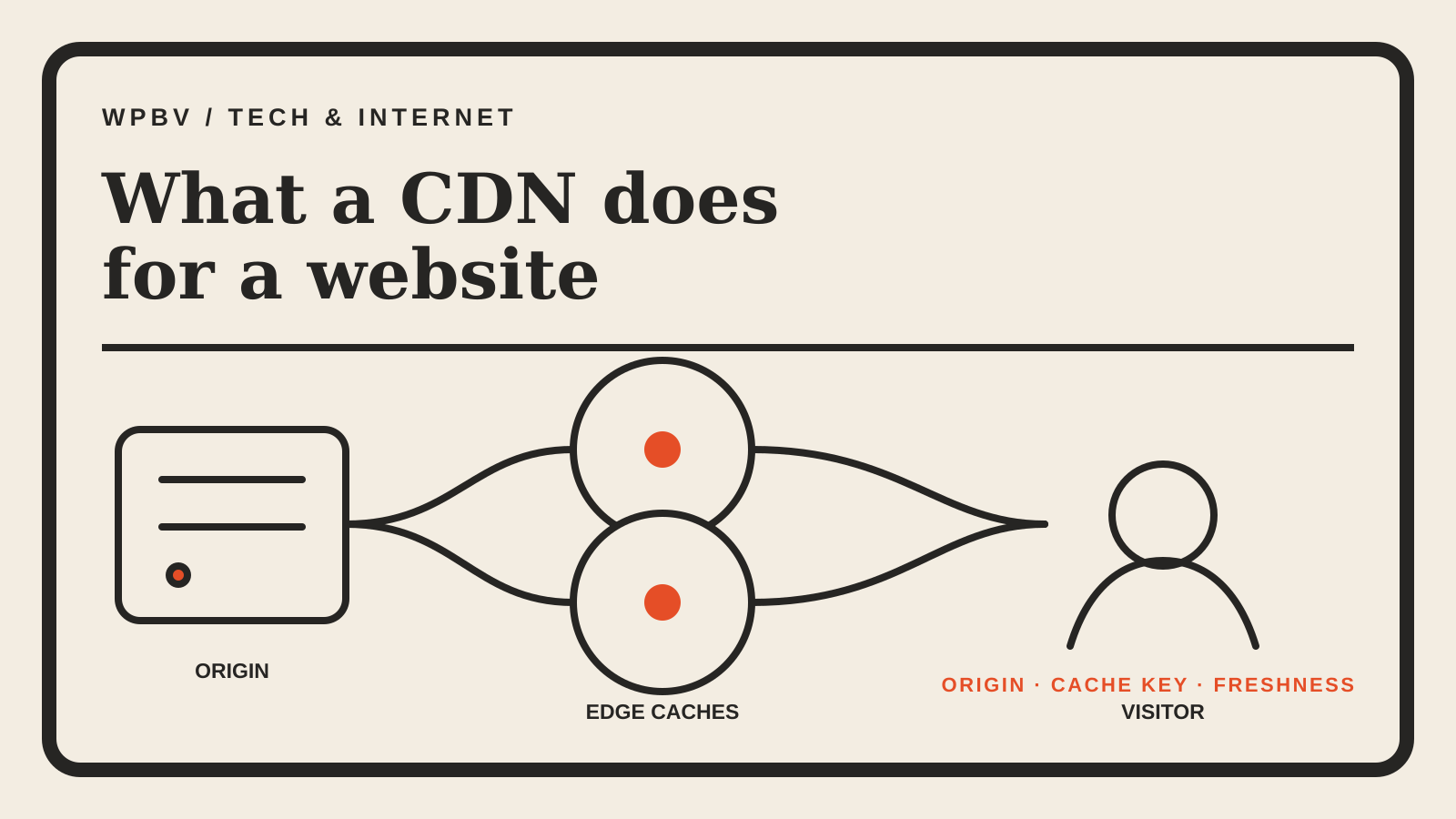
What Is a CDN? How Edge Caching Works
How a CDN uses edge caches, origins and TTLs—and what it cannot fix.

Retrieval-Augmented Generation Explained: How AI Answers From Your Documents
How RAG tools search your documents before answering, and how to check what they say.

Pro Rata Rights Explained: What Early Investors Keep
How a pro rata right lets an investor keep its stake in the next round, with worked numbers.
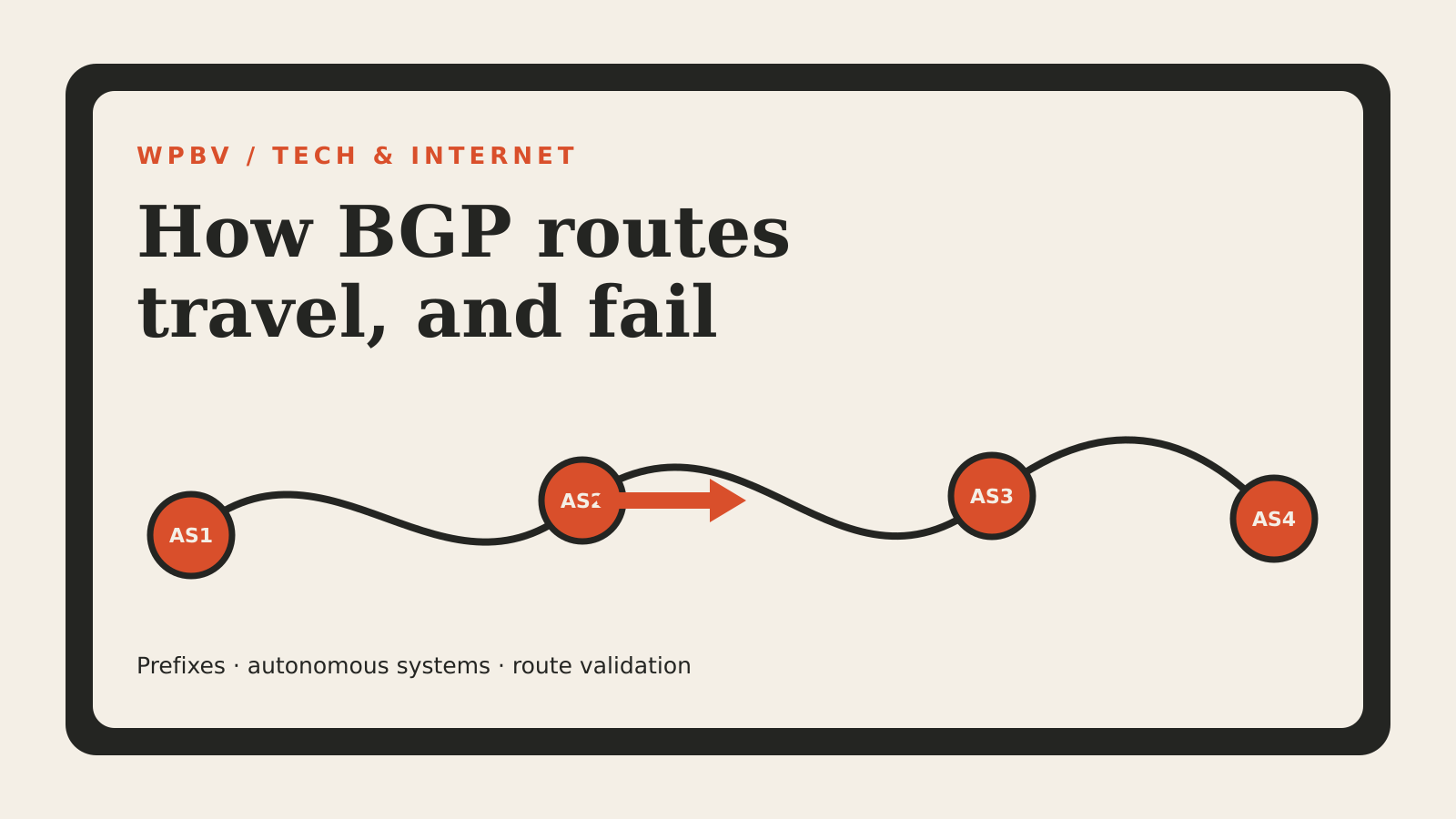
BGP Explained: How Routes Spread
How BGP spreads routes, why bad announcements travel, and what RPKI origin validation checks.

Two-Factor Authentication Methods Compared: SMS, Apps and Security Keys
SMS codes, app codes, push prompts and security keys compared, and which one stops a fake login page.

Interchange Fee vs MDR: Which Part of a Card Fee Is Which
The MDR is the whole charge for accepting a card; interchange is the issuer's slice inside it.

Context Window Explained: What an AI Tool Can Keep in View
What fills an AI tool's context window, how tokens are counted and why long chats lose track.

Liquidation Preference Explained, With Worked Numbers
Who is paid first when a startup is sold, worked through 1x, 2x and participating terms at four exit prices.
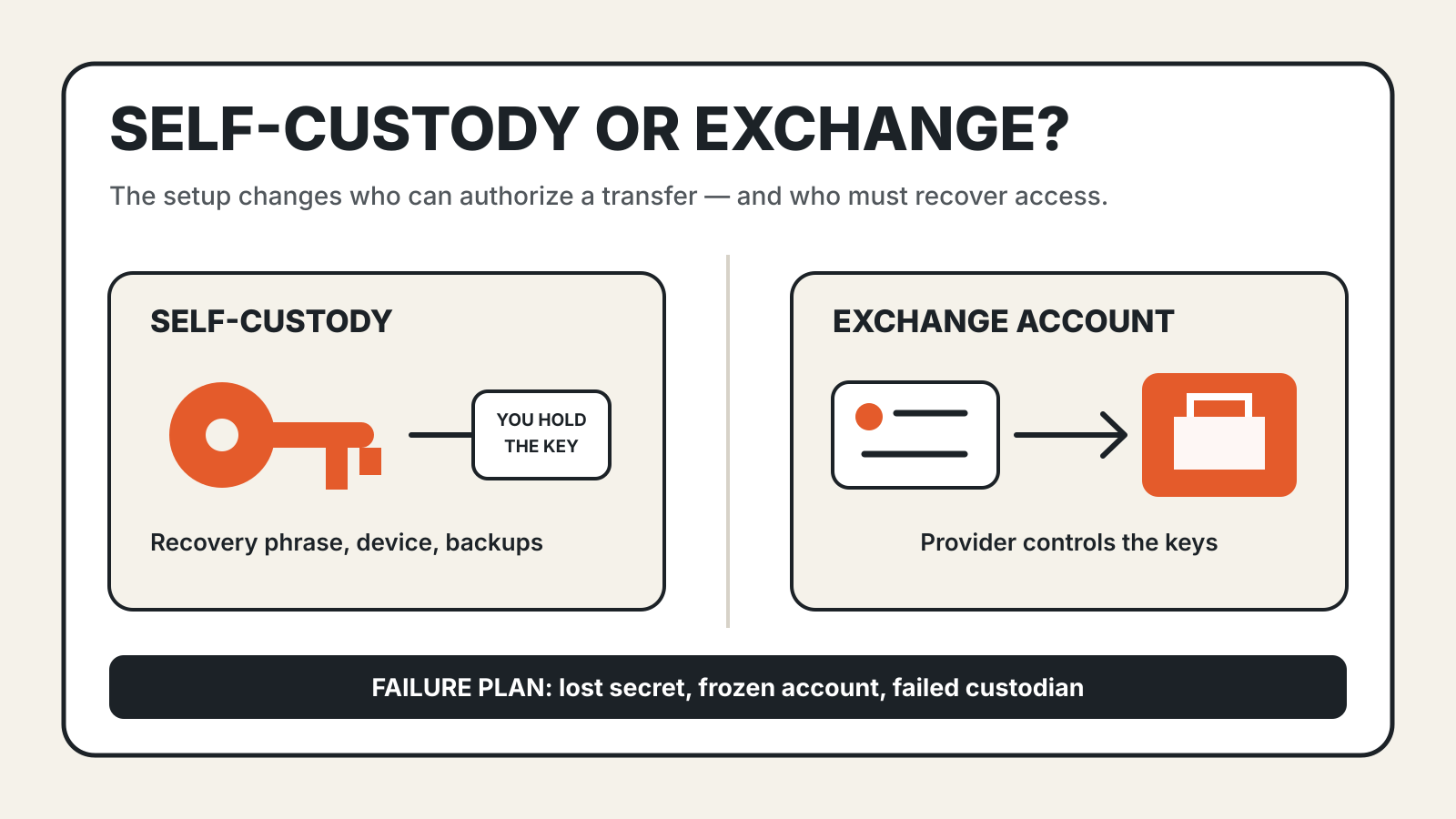
Self Custody vs Exchange: Keys, Recovery and Risk
Compare key control, recovery and provider risk before choosing where to hold crypto assets.

Browser Extension Permissions to Check Before You Install
Which extension warnings reach furthest, how to limit site access, and what to check when an update asks for more.

How DNS Works, and Why It Shows Up in So Many Outages
How a name becomes an address, why caching makes failures uneven, and the three ways DNS breaks in real outages.

Why AI Hallucinates: The Mechanics Behind Confident Wrong Answers
How AI tools learn and how they are scored push them to guess. Where the errors come from and how to catch them.
SAFE valuation cap explained: conversion and dilution
A SAFE valuation cap affects conversion. It is not the company's current valuation or guaranteed ownership.
Proof of work vs proof of stake: how the two systems agree
Proof of work spends computation; proof of stake puts validator capital at risk.

Browser Release Channels: Stable, Beta, Dev and Canary
What Stable, Beta, Dev, Canary and Nightly channels mean, and how to test them without risking daily work.
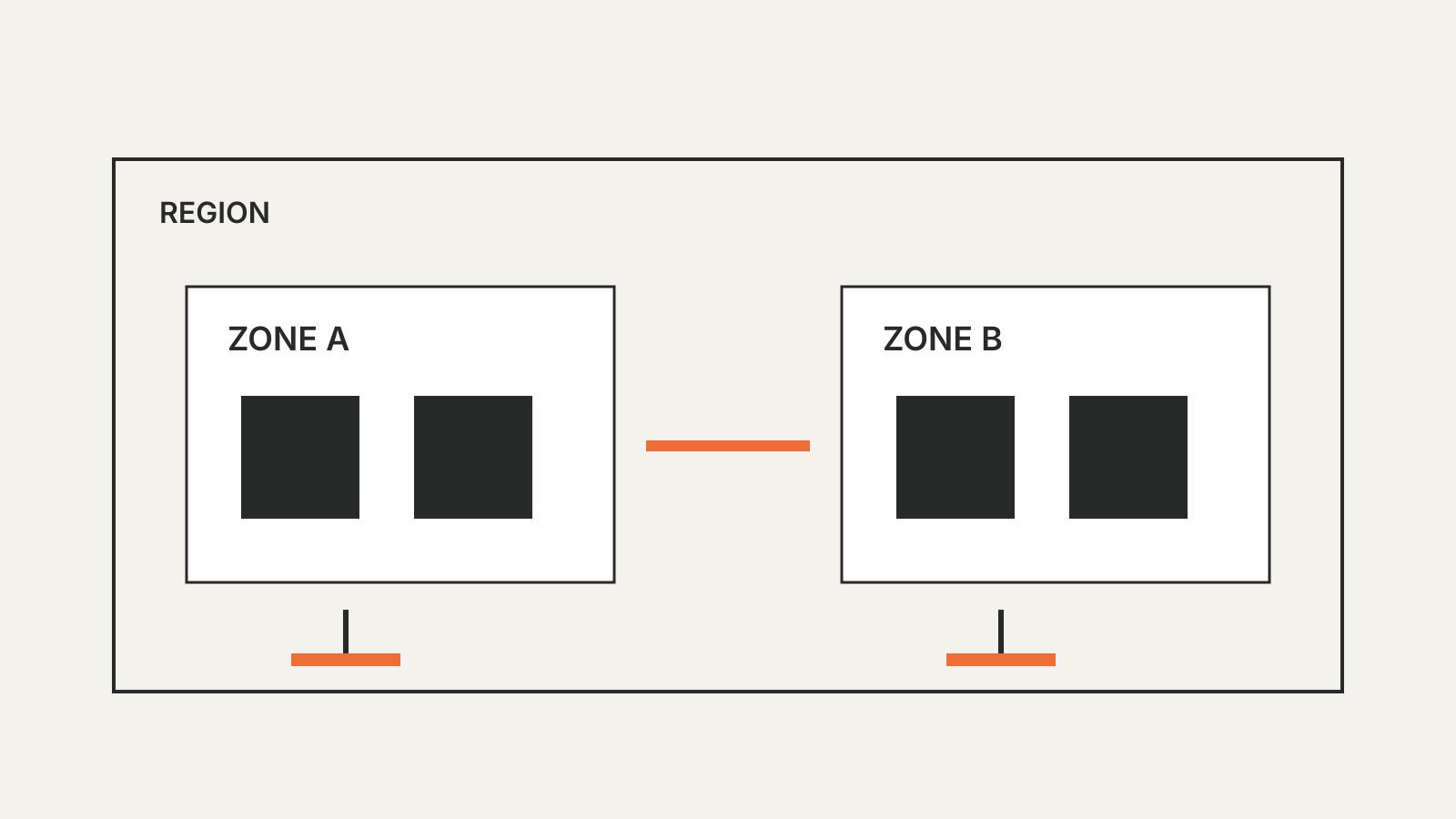
Availability Zones Explained: Regions and Failures
A second zone helps only when data, capacity, dependencies and recovery routing can use it.
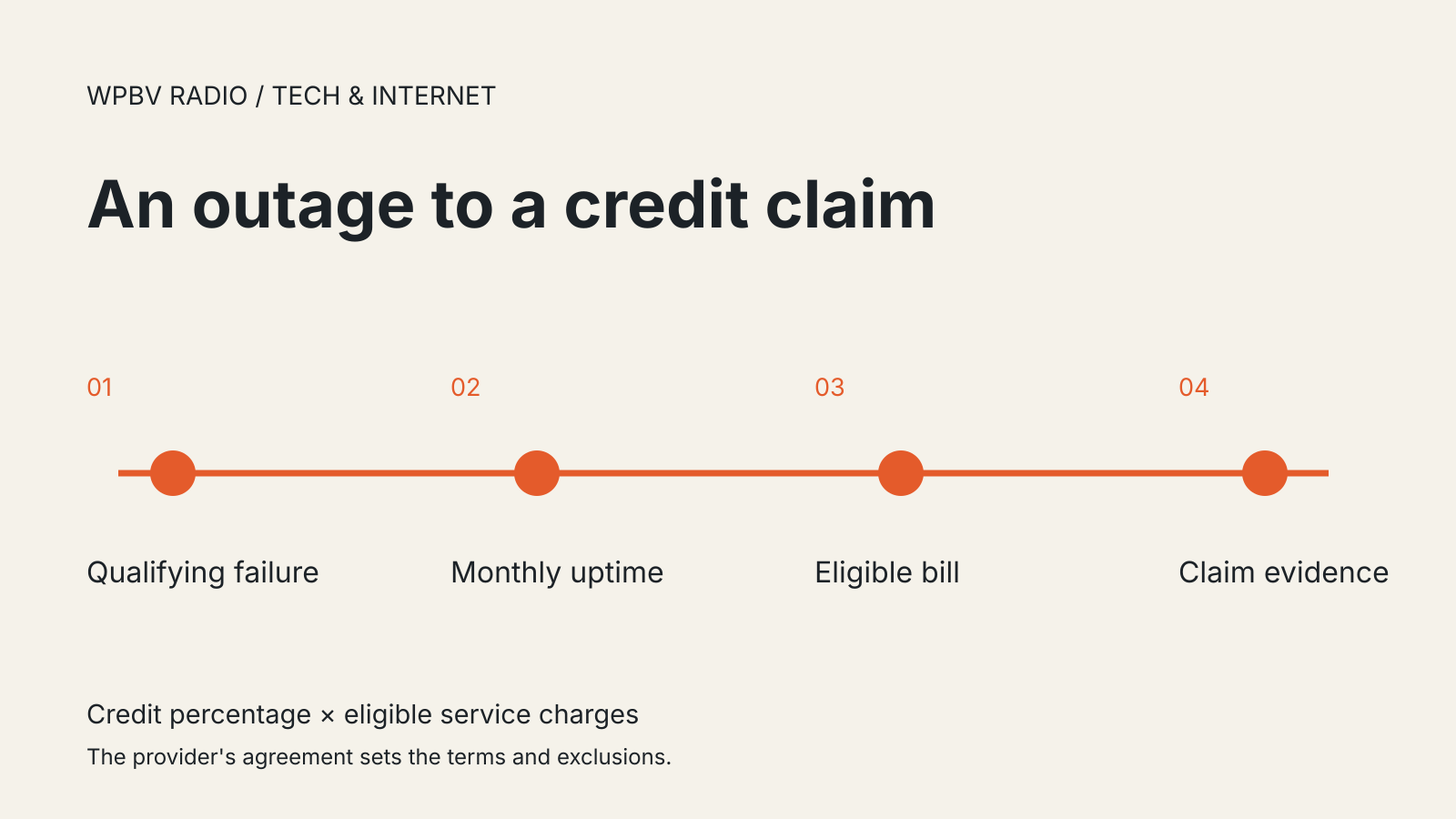
Cloud SLA Credits: What a Provider Owes After Downtime
Use the service agreement, uptime calculation and eligible bill to assess a cloud credit claim after downtime.
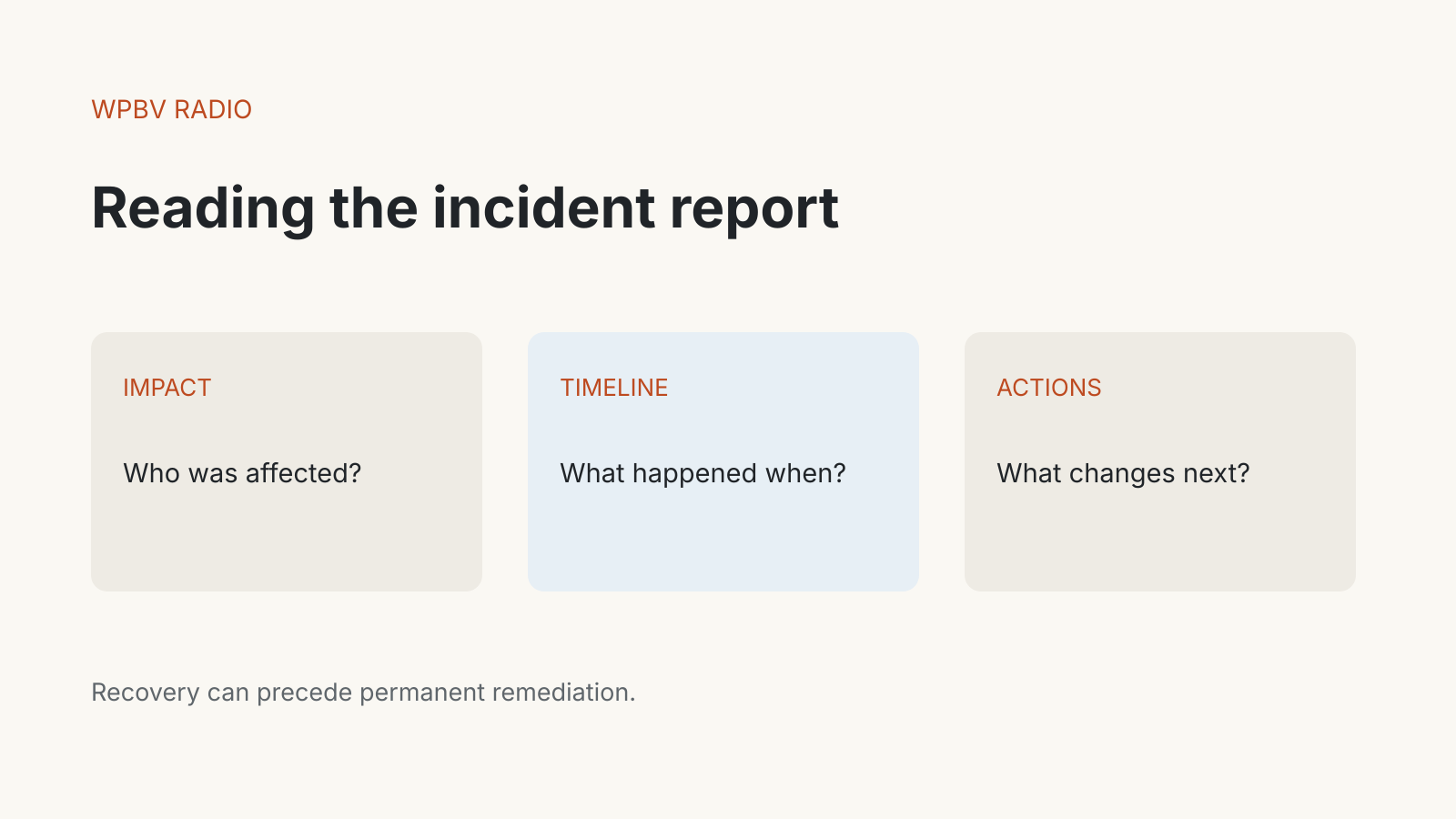
How to Read a Post-Incident Report
Read the impact, timeline and follow-up actions separately to understand an outage and its unresolved work.
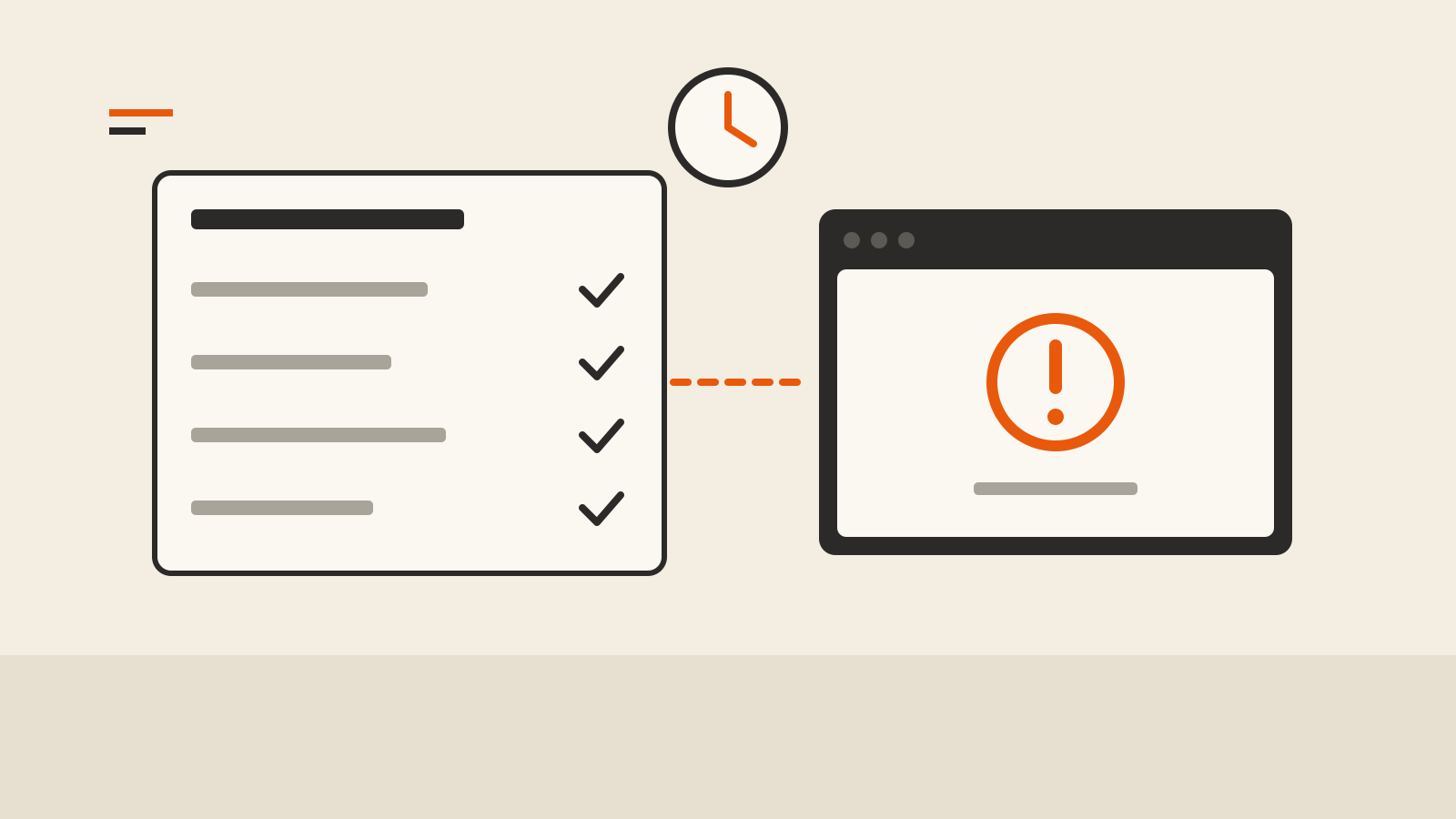
Status Page During an Outage: Why It Lags Behind the Problem
Your app is failing and the provider's page is still green. Where the first minutes go, and where to look instead.

3D Secure Explained: Why Some Card Payments Ask for a Second Step
Why your bank asks you to approve some online card payments, when it can skip the step, and who pays for fraud.
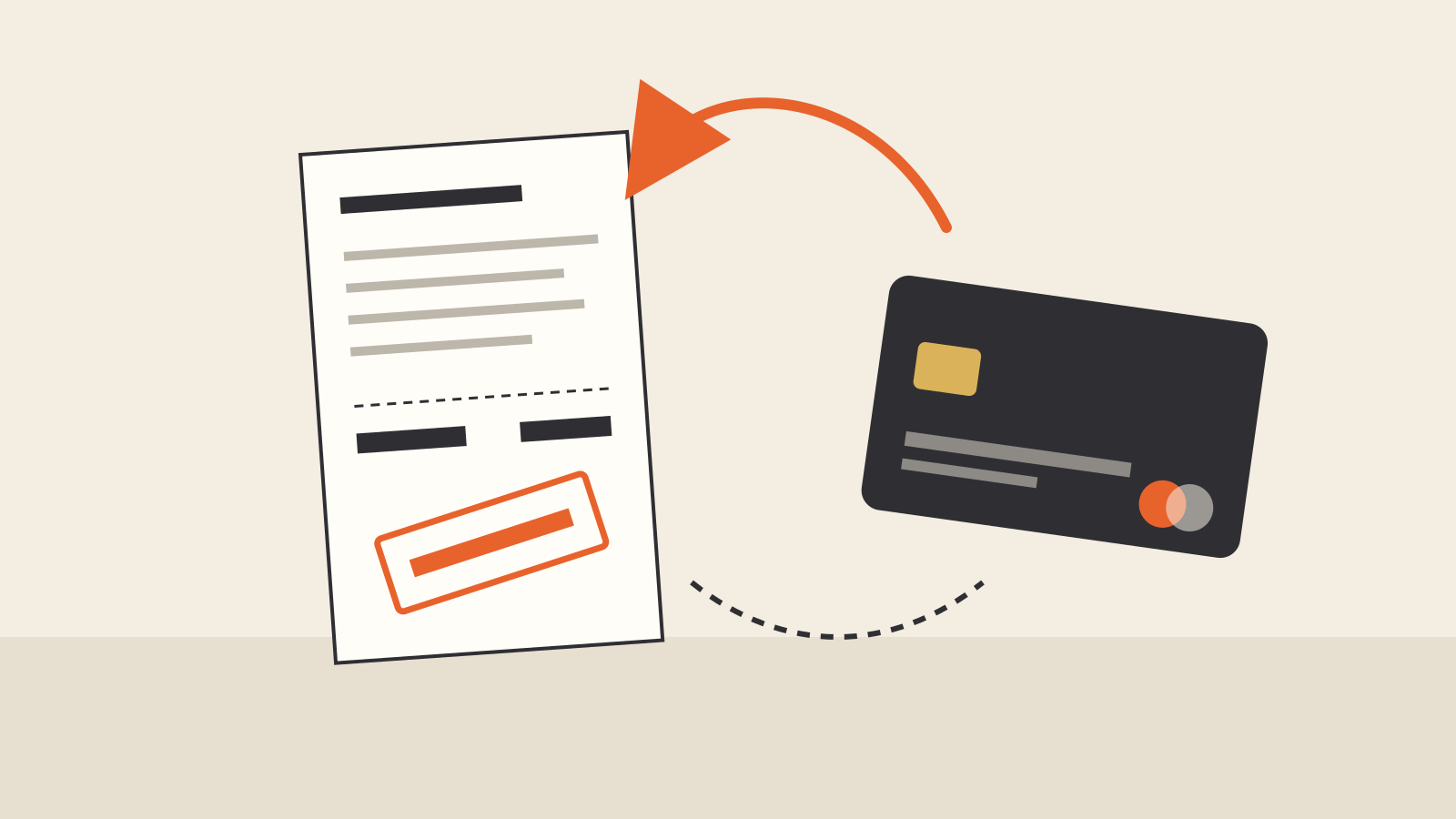
Chargeback Fee: What a Disputed Card Payment Costs a Merchant
The chargeback fee Stripe, PayPal and Square charge, and the other costs of a disputed card payment.

Interchange-Plus vs Flat Rate: Choosing a Card Pricing Model
Interchange plus vs flat rate: one rate for every card, or the real cost of each card plus a markup.
Start with a question you recognize: what happens after tapping a card, which permissions an AI assistant needs or whether your notes will survive a move to another app. These guides connect the visible interface to the mechanisms behind it, using clear examples and links to original documentation.
The library spans AI, Payments & Fintech, Crypto & Web3, Apps & Software, Tech & Internet and Startups & Ventures. Each desk also has current reports for readers who want to follow new developments.
Begin with 10 People Shaping Fintech for an introduction to influential contributors, or visit the news desk for recent releases. Our guides describe researched information without implying hands-on tests that have not taken place.