
Payments & Fintech
Cards, transfers and the systems that move money.
Latest news
View all
JCB and Hanoi Metro Plan Contactless Fares for Early 2027
JCB and Hanoi Metro signed an MOU on October 29 to let JCB cardholders tap in at metro gates from early 2027.

Euronet Launches OLON Merchant Platform, Starting in Greece
Euronet's OLON bundles card acceptance, software integrations and add-on services for merchants; Greece goes first.

Barclaycard Payments Adds Visa Unified Checkout for UK Merchants
Barclaycard Payments is adding Visa Unified Checkout to its Smartpay Fuse gateway for UK merchants.
Visa and Mastercard Face £700 Million UK Claim Over EEA Card Fees
A £700M opt-out claim says UK businesses overpaid on online sales to EEA cardholders after Brexit.
Form3 Opens Payment Data to Read-Only AI Agents
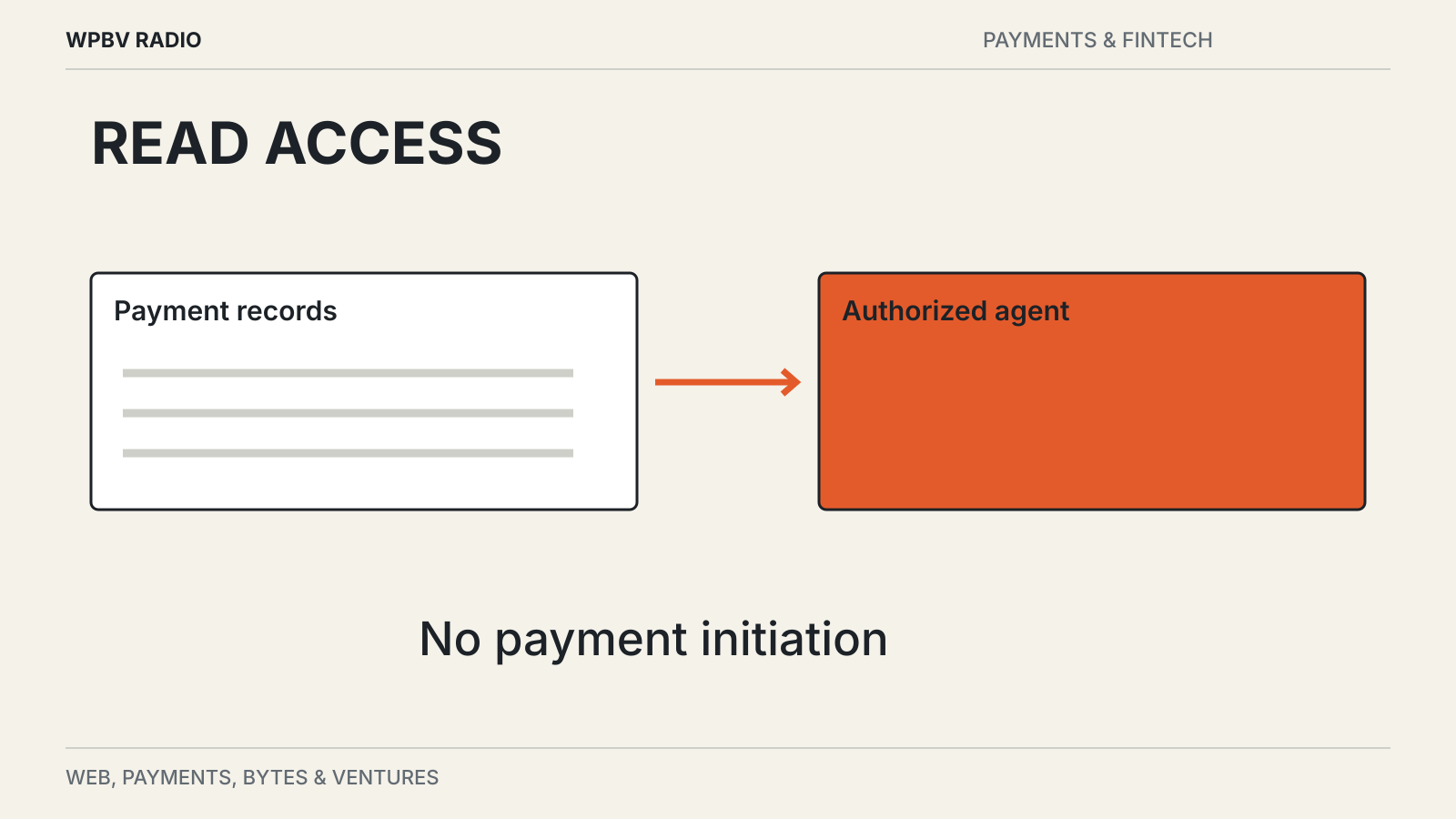
Its first MCP adapter lets authorized agents investigate payment information without initiating changes.
Visa Plans an AI Financial Assistant for Bank Apps
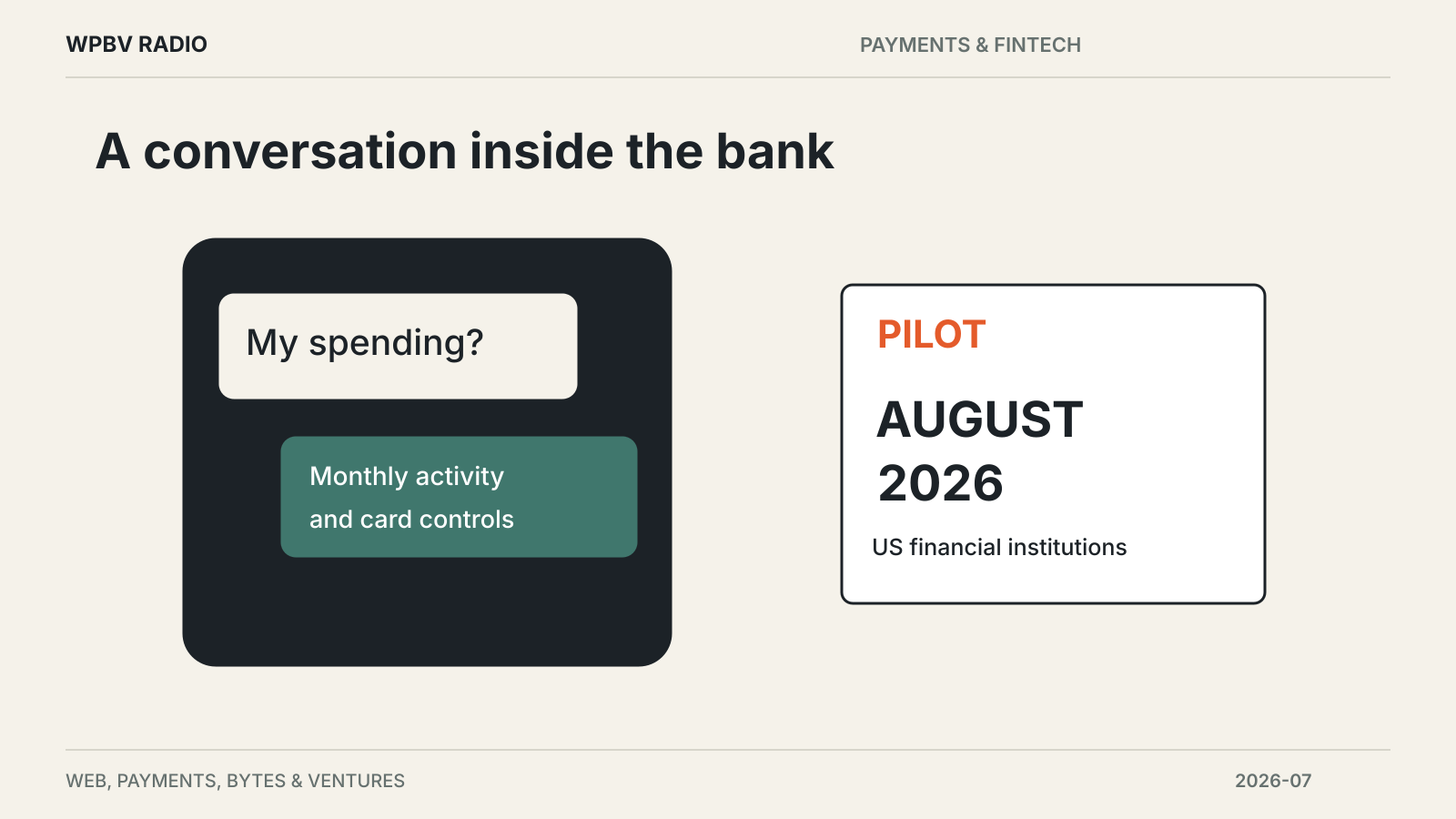
Visa's in-app assistant is scheduled for a US bank pilot in August, with a wider rollout planned later.
Explainers & guides
View all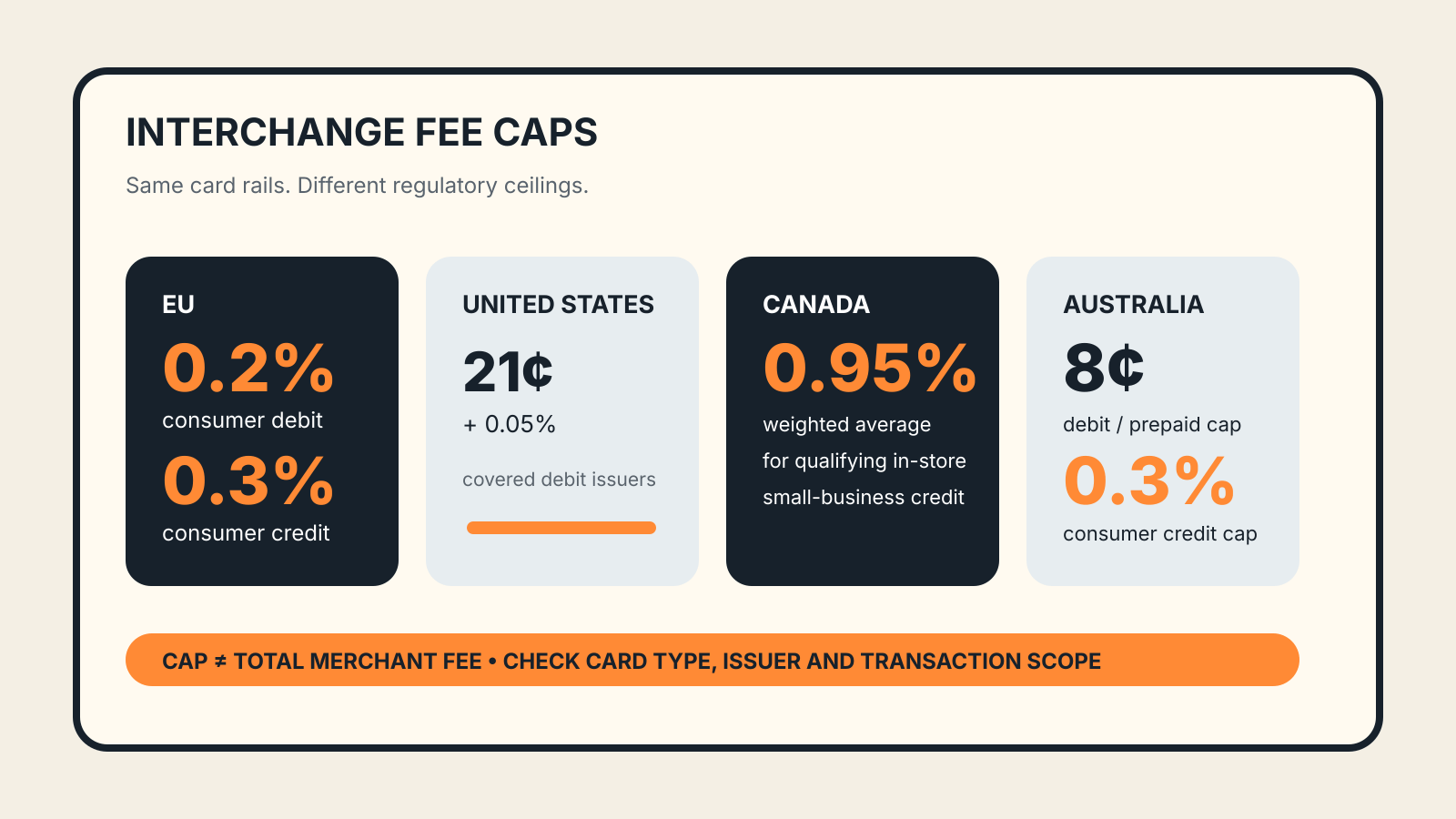
Interchange Fee Caps: EU, US, Canada and Australia
How interchange fee limits differ across the EU, US, Canada and Australia—and why the cap is not the total merchant fee.
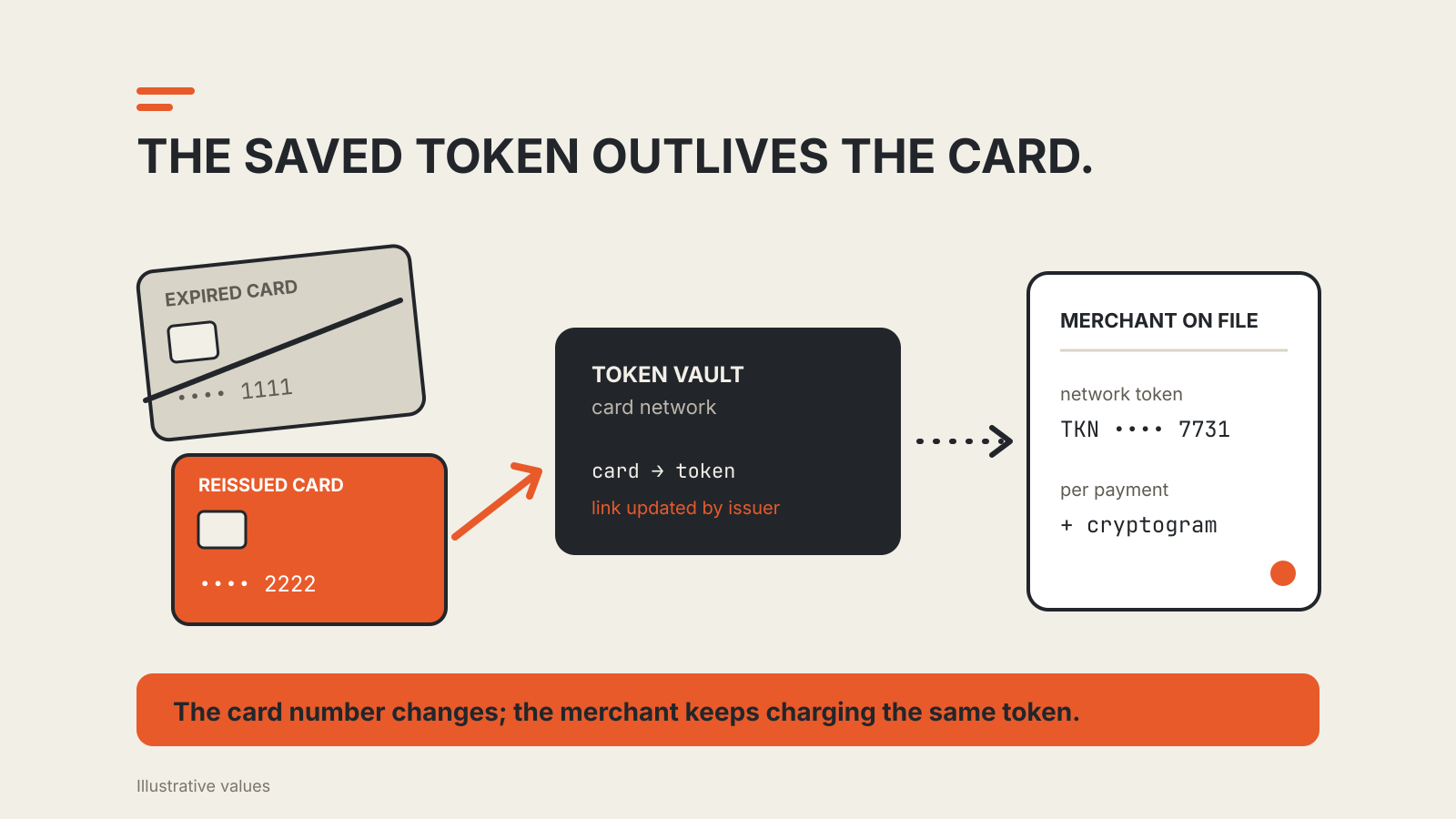
Network Tokenization Explained: Why a Saved Card Keeps Working
How network tokens replace a stored card number, survive a card reissue and what a merchant still has to check.
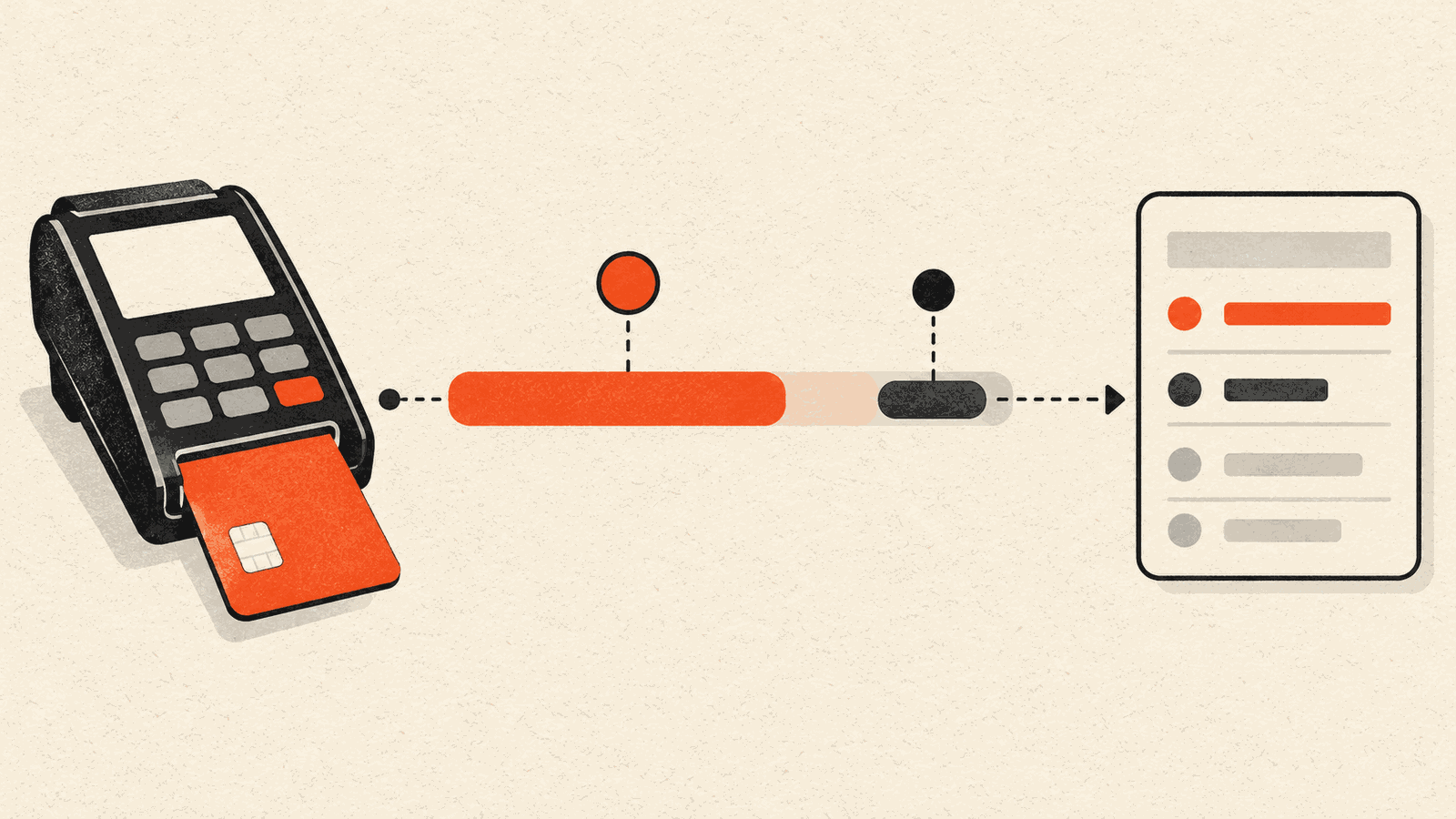
Authorization Hold Explained: Pending Card Charges
Why a card authorization hold reduces available funds, how it becomes a final charge and what reversals do.
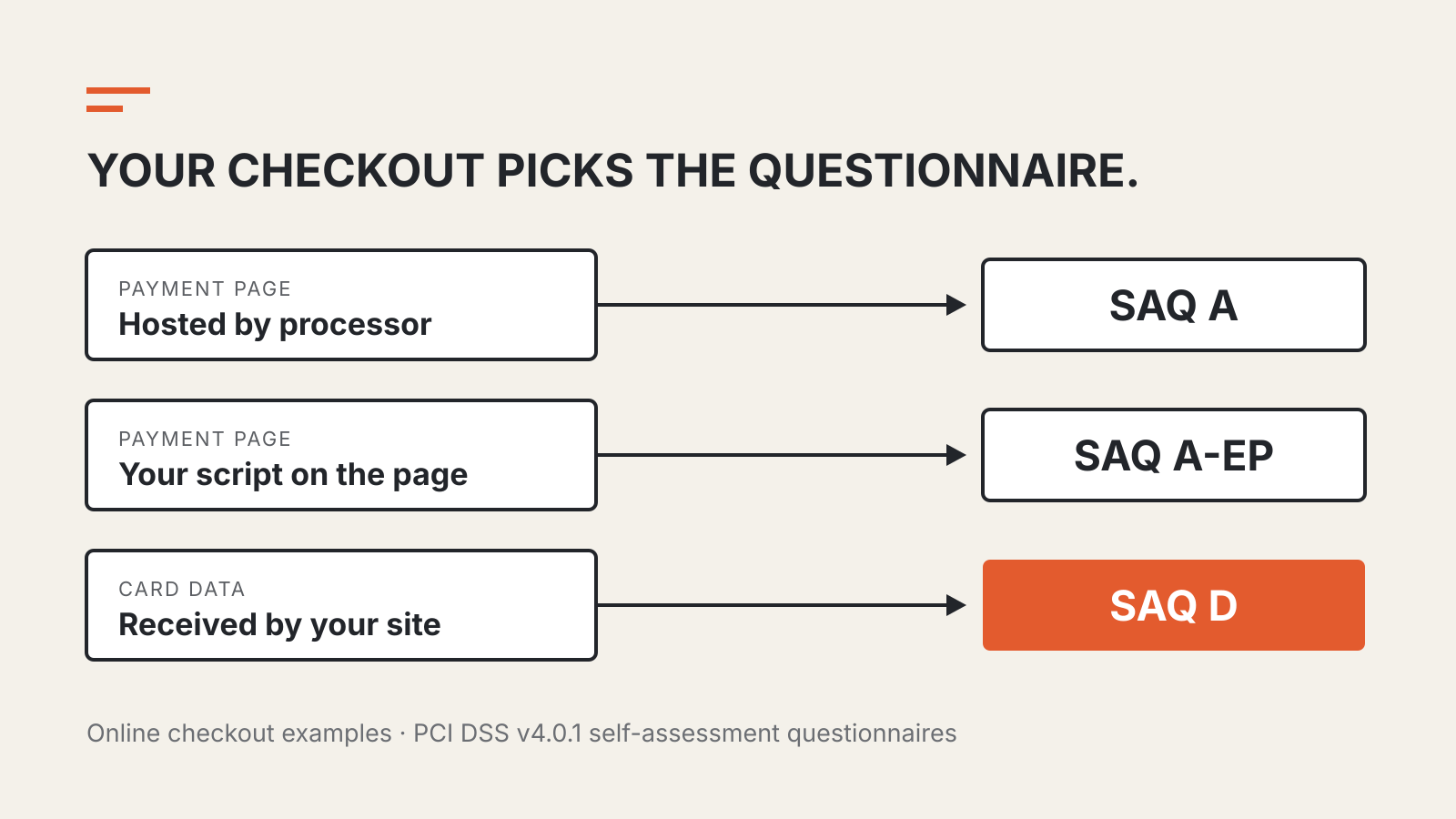
PCI SAQ Types: Which Self-Assessment a Merchant Fills In
Which PCI self-assessment questionnaire fits each way of taking cards, and how checkout design sets SAQ A or A-EP.
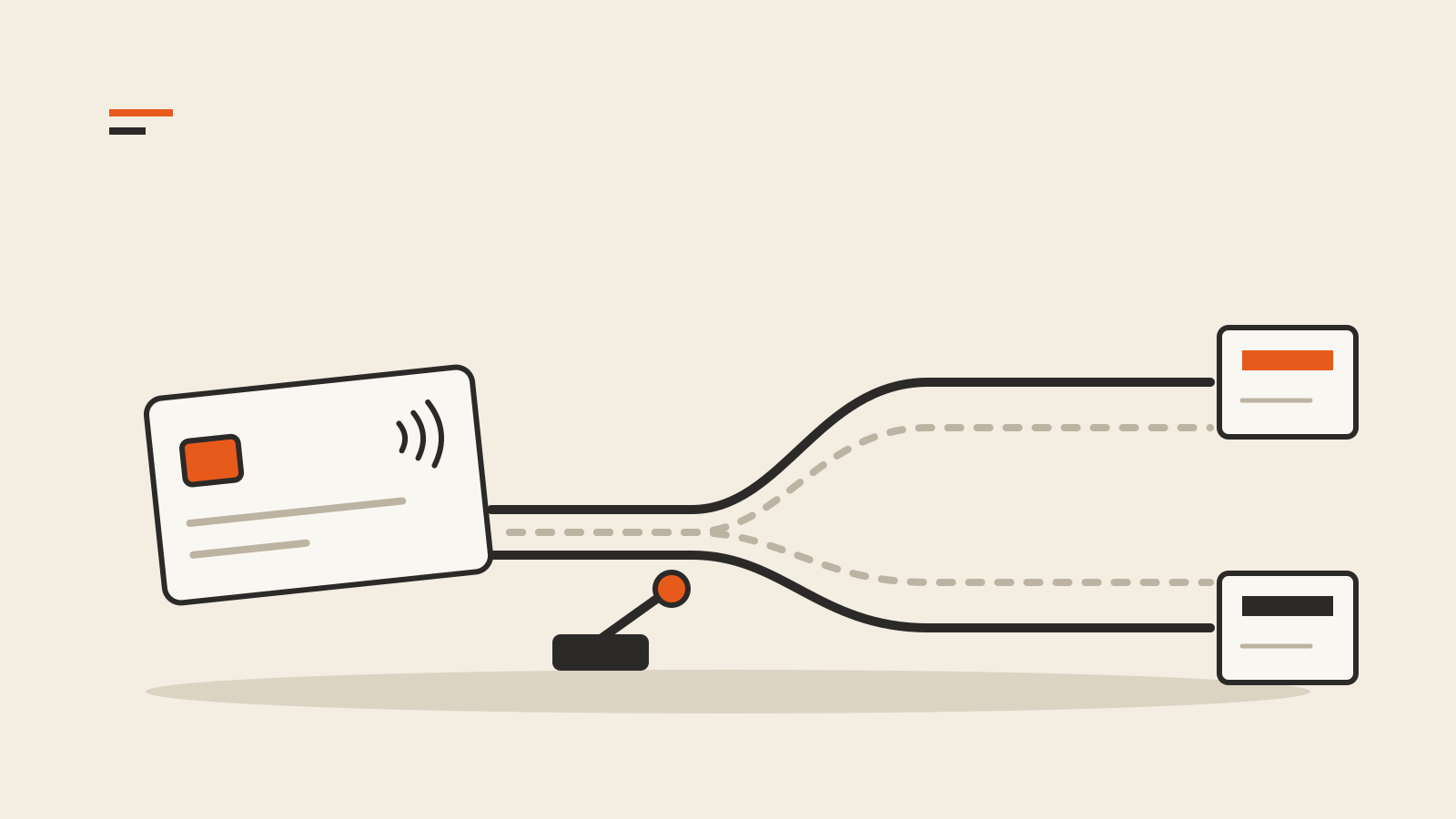
Debit Card Routing: Why US Debit Cards Carry Two Networks
The US two-network debit rule, what card networks may not restrict, and the Regulation II fee cap.
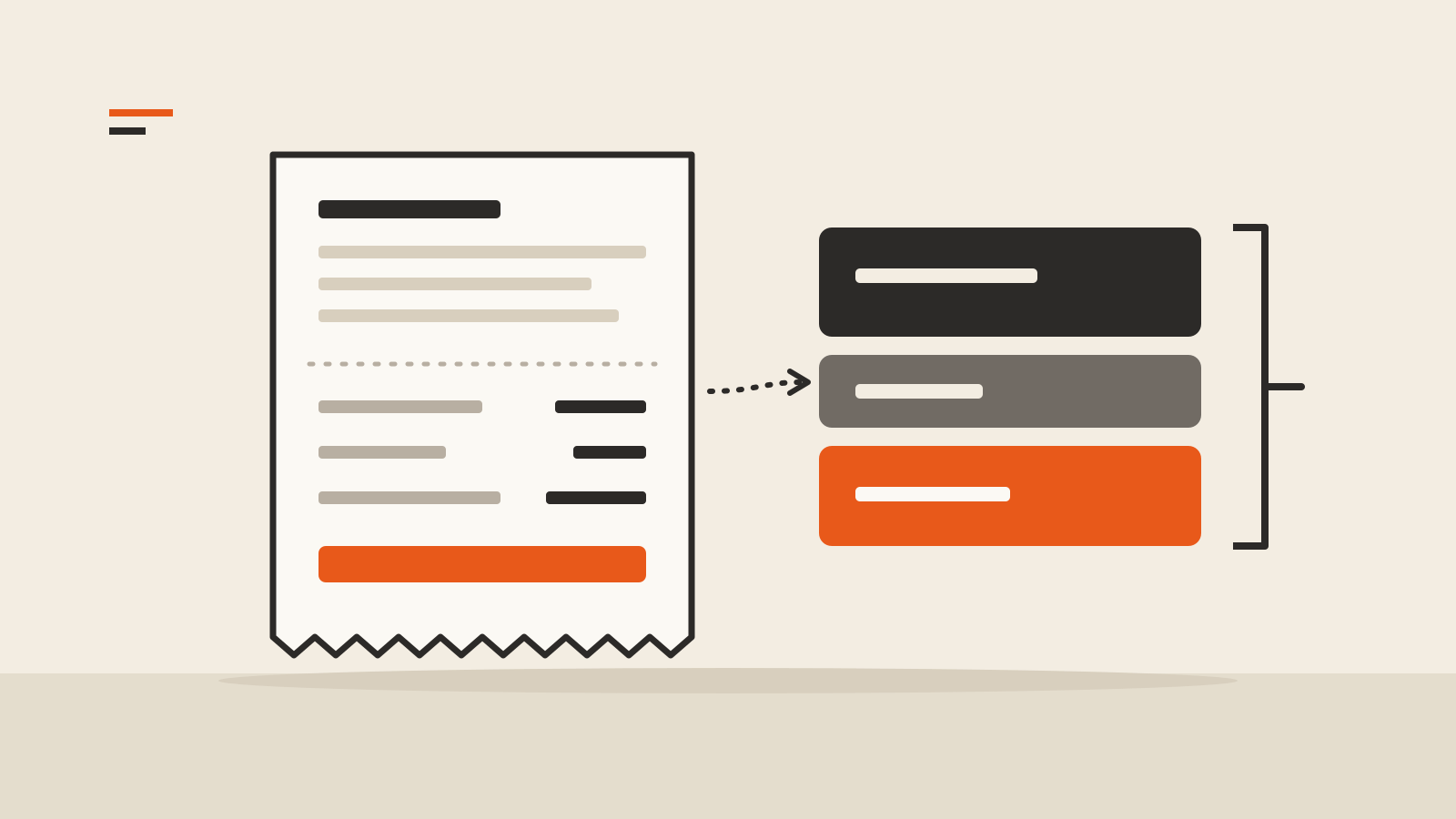
Interchange Fee vs MDR: Which Part of a Card Fee Is Which
The MDR is the whole charge for accepting a card; interchange is the issuer's slice inside it.
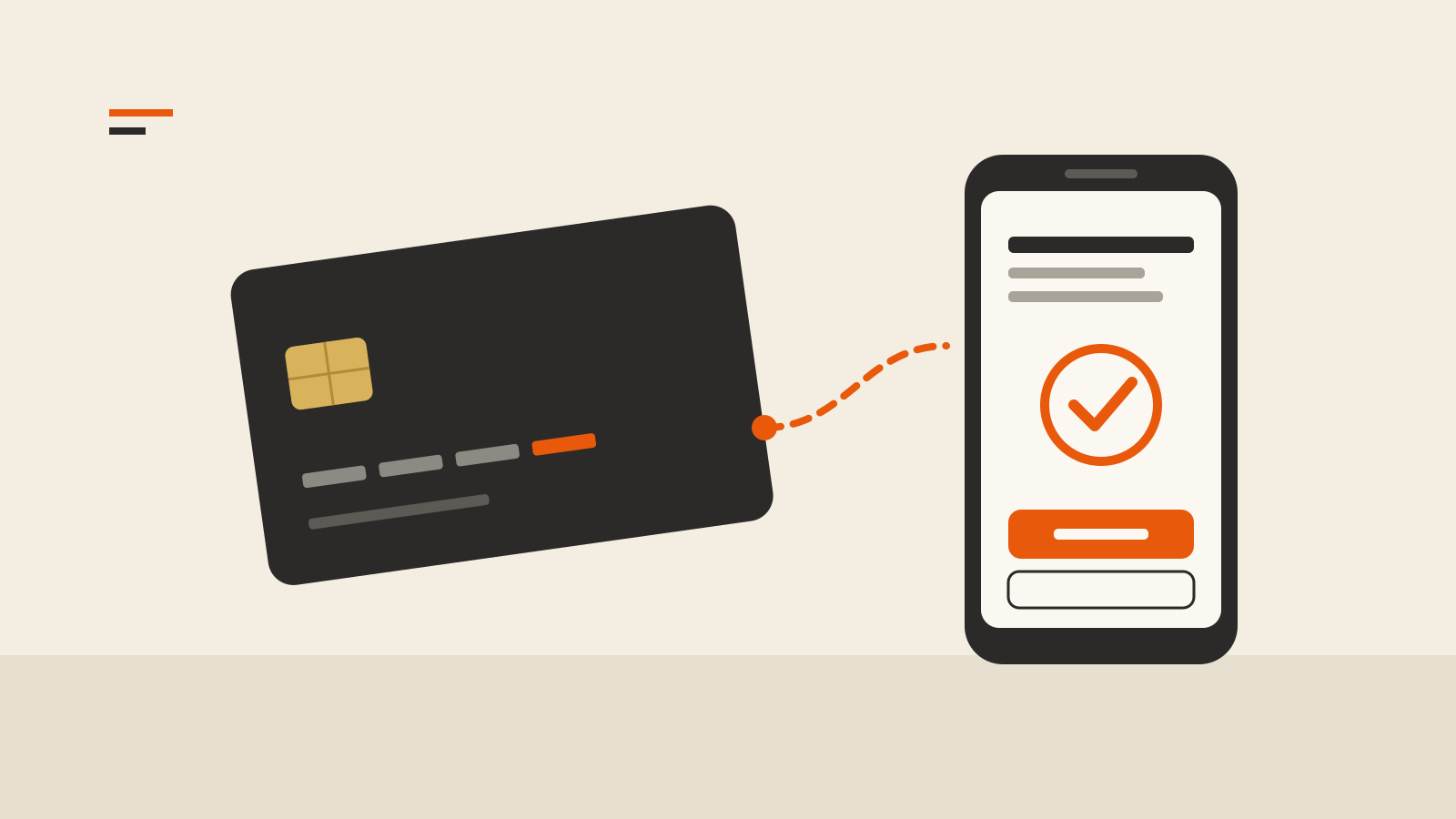
3D Secure Explained: Why Some Card Payments Ask for a Second Step
Why your bank asks you to approve some card payments, when it can skip the step, and who pays for fraud.
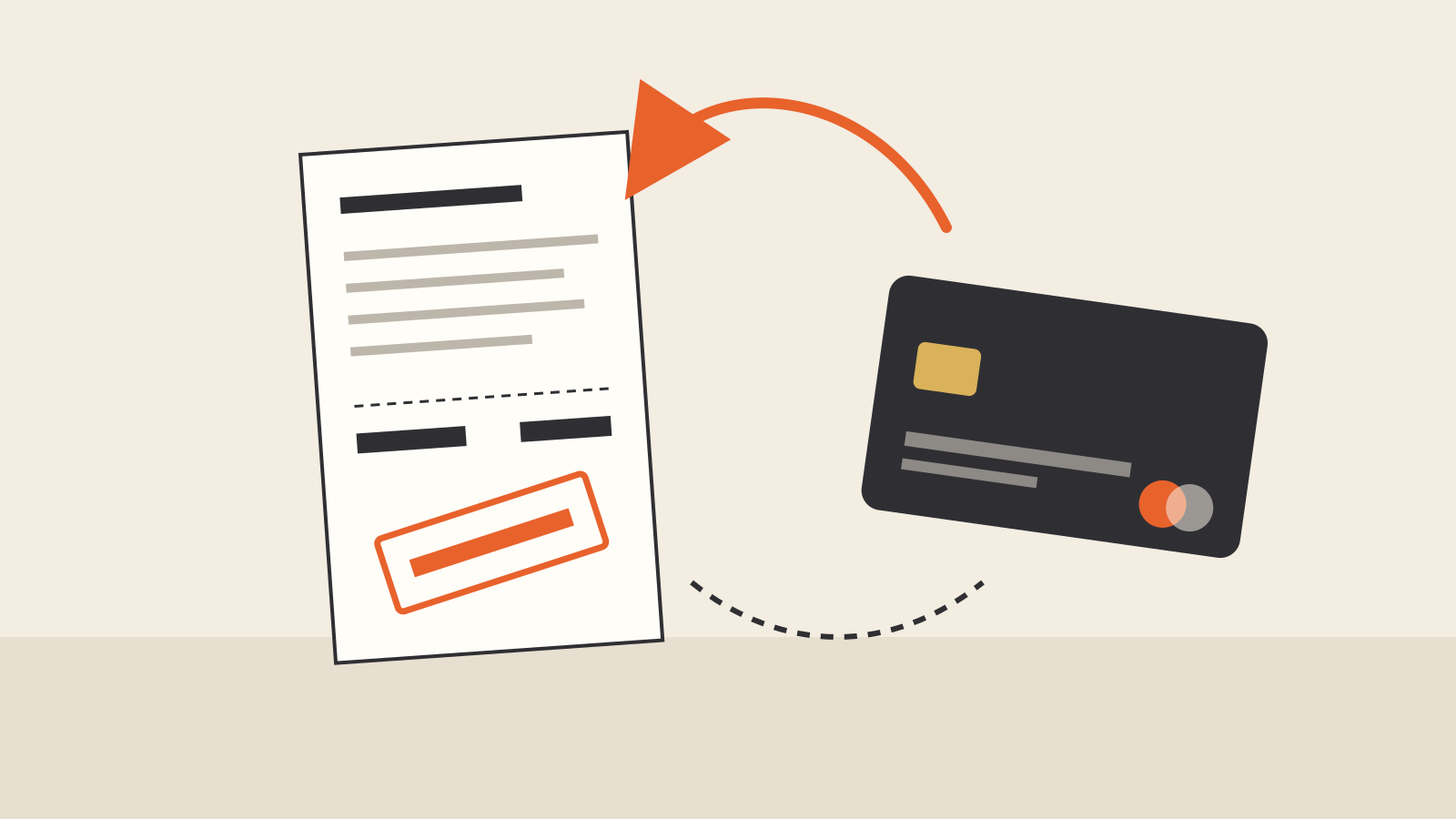
Chargeback Fee: What a Disputed Card Payment Costs a Merchant
What Stripe, PayPal and Square charge per chargeback in 2026, and which fees come back when you win.
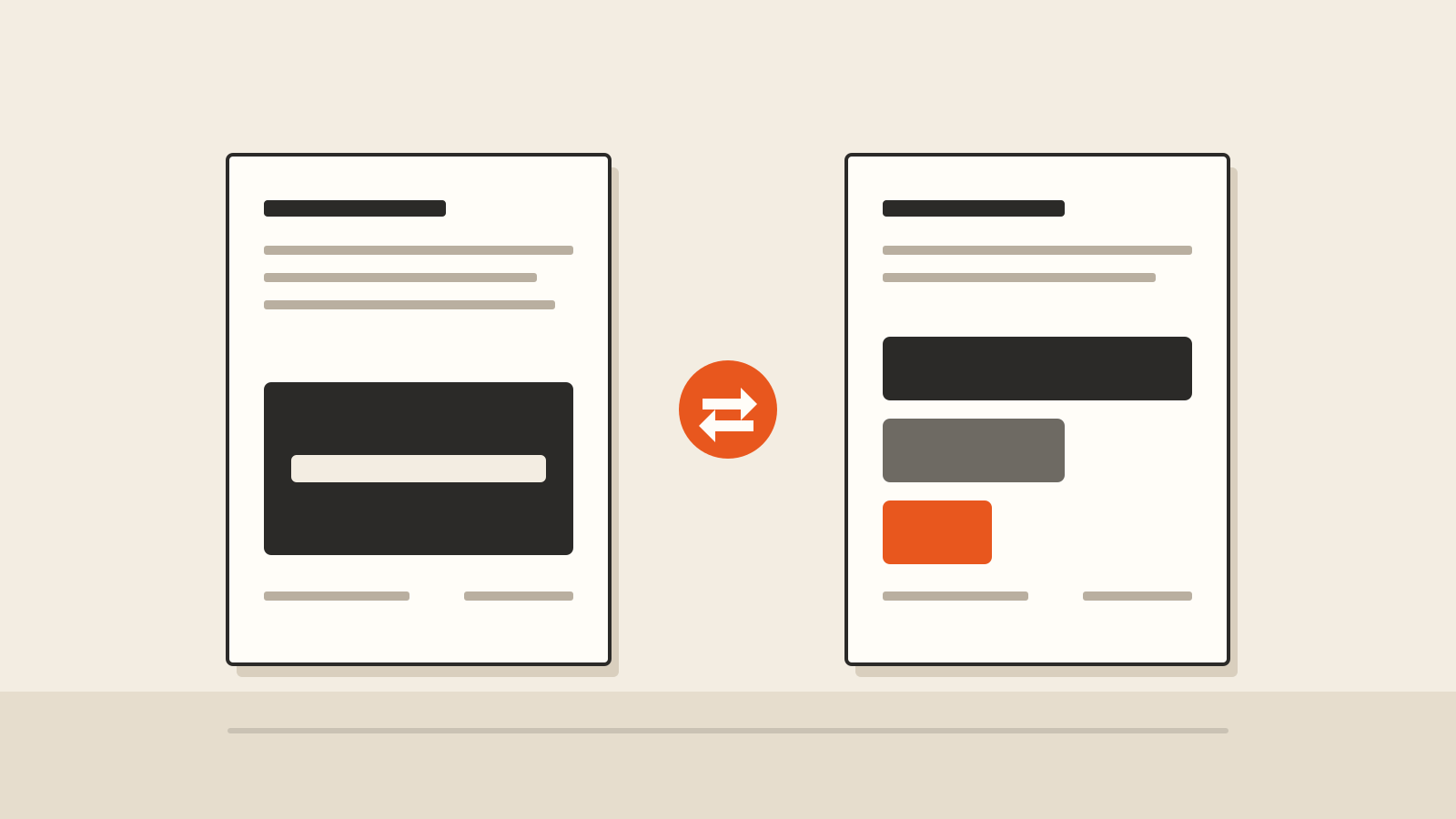
Interchange-Plus vs Flat Rate: Choosing a Card Pricing Model
Interchange plus vs flat rate: one rate for every card, or the real cost of each card plus a markup.
About this desk
Payments can look simple at checkout while involving several institutions behind the screen. This desk follows the products, people and infrastructure responsible for that journey, from card authorization to international transfers and stablecoin settlement.
Begin with what happens after you tap a card, then explore why a cross-border transfer can still take days. Both guides separate a message arriving from money becoming available.
Our coverage also examines the founders and other contributors shaping fintech. The editorial selection of 10 influential people provides starting points across payments, digital banking and financial health. Product announcements are reported with their actual scope and availability. We pay attention to the complete customer journey: the recipient amount, permissions, fees, refunds and the support needed when an expected result does not arrive.