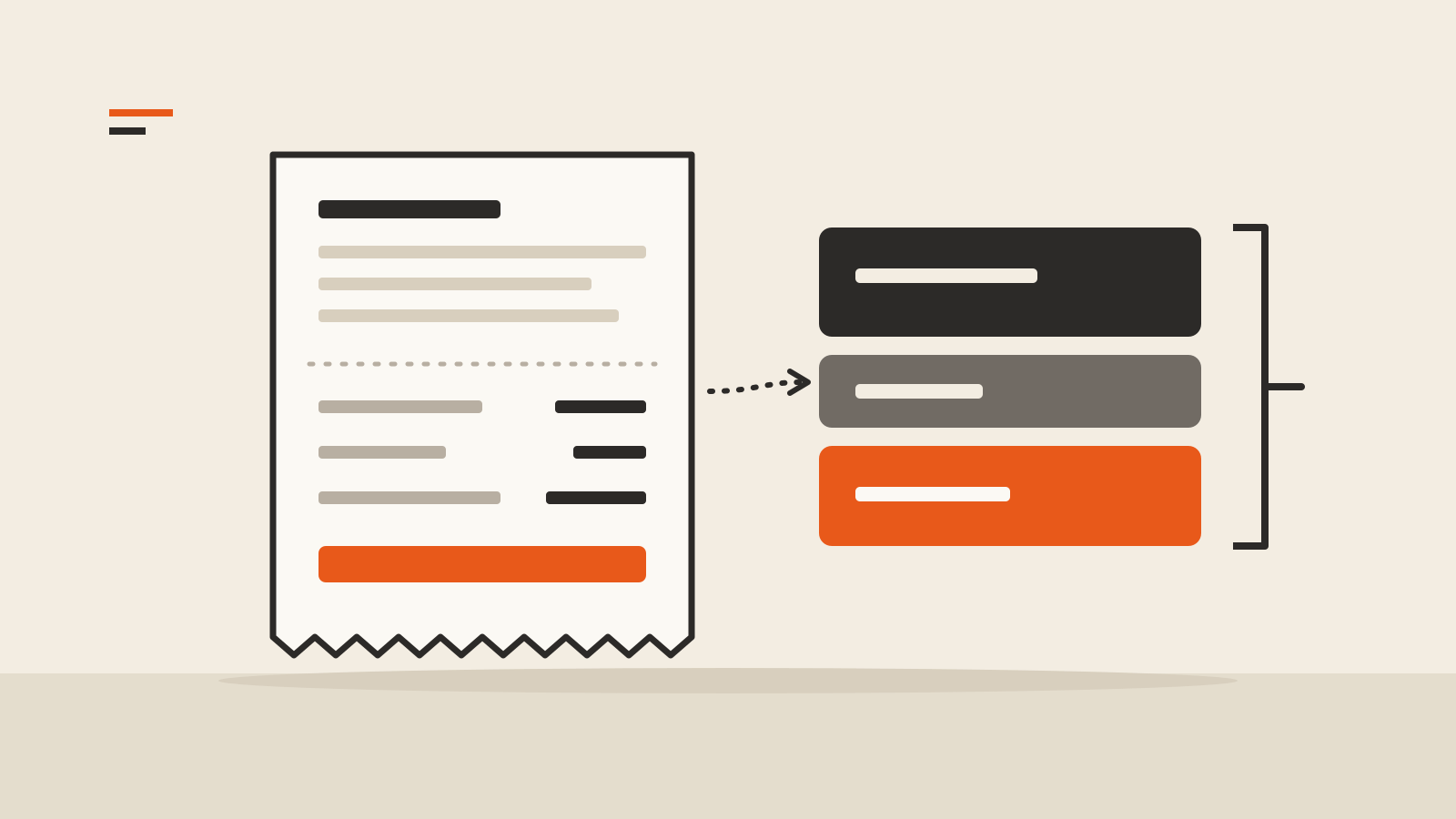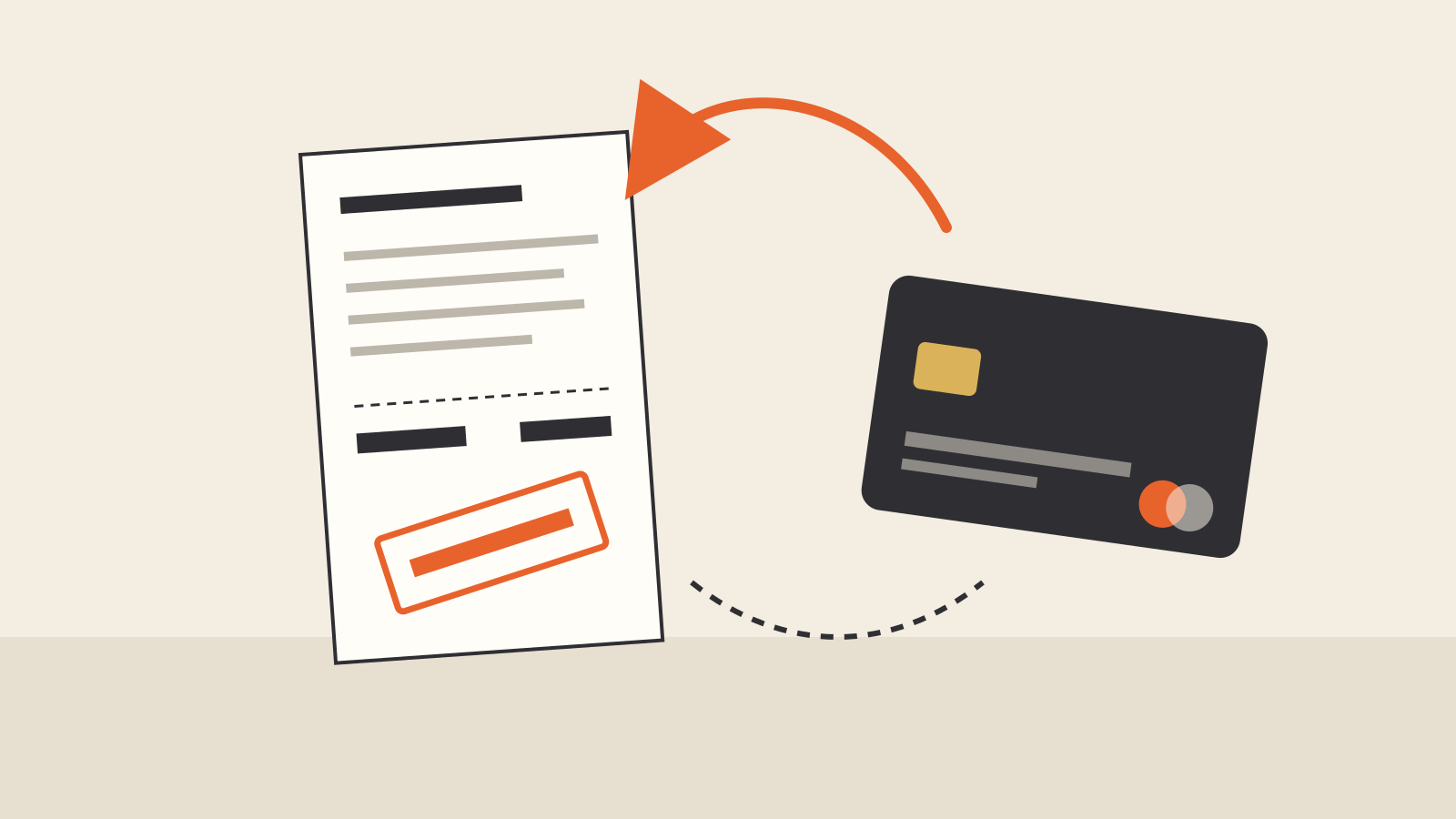
Barclaycard Payments has deployed Visa’s Unified Checkout and will build it into its Smartpay Fuse payment gateway for UK merchants, Visa announced on October 14. The move gives Barclaycard’s online merchants one integration for cards, Click to Pay and digital wallets, plus Pay by Link and invoicing.
The announcement from Visa UK describes the agreement as an expansion of a partnership between the two companies that goes back six decades.
What merchants get
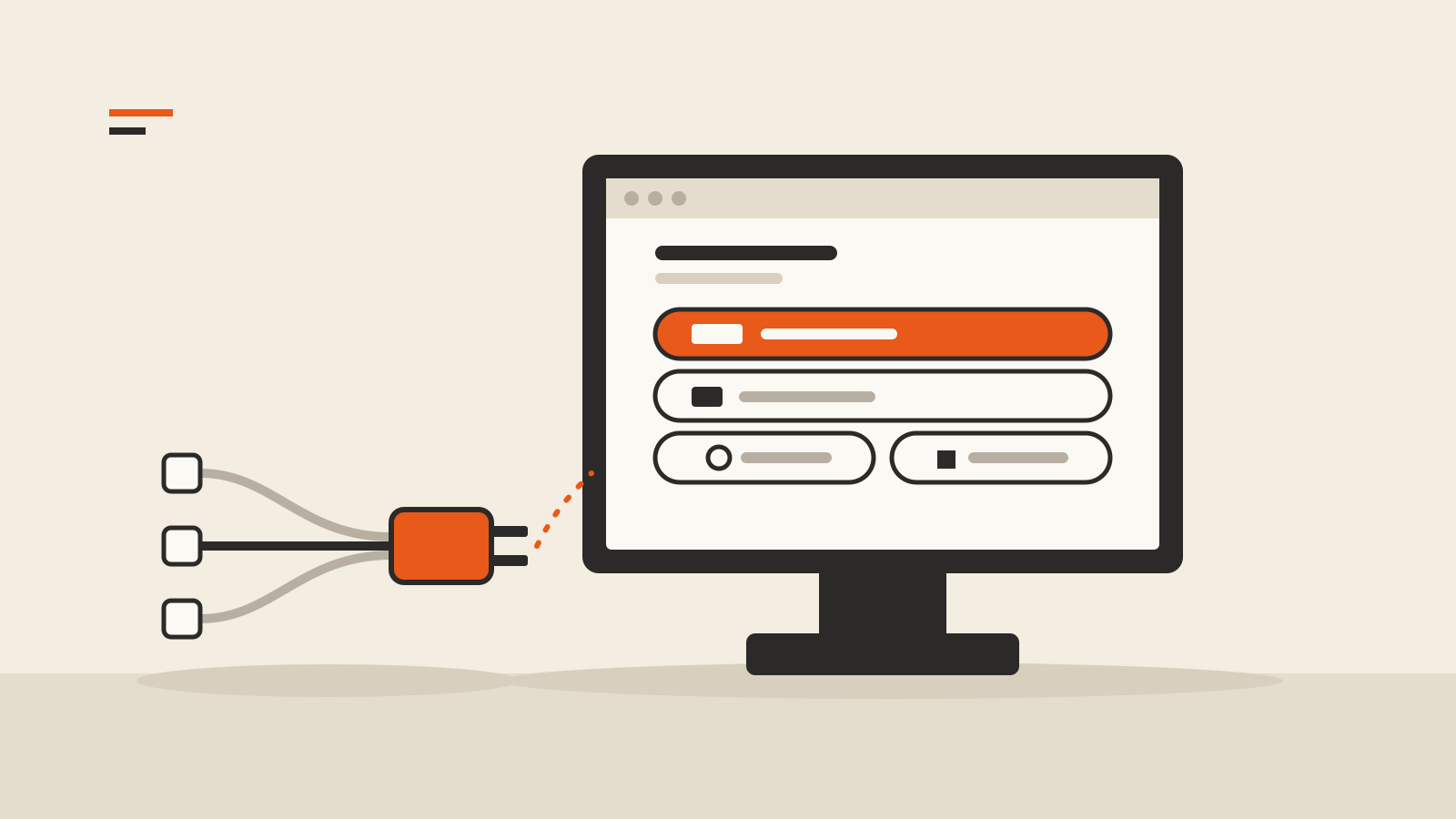
According to Visa, Unified Checkout is a low-code product with a modular, API-based design. Merchants can add payment options without rebuilding their checkout or spending heavily on development, and the same integration covers several payment channels. The release names these options:
- cards;
- Click to Pay;
- digital wallets;
- Pay by Link;
- invoicing.
Ben Stagg, head of mid-corporate at Barclaycard Payments, said in the release that more payment choice “can quickly become overwhelming for growing businesses” and that a single integration is meant to simplify acceptance. Dan Parsons, head of value-added services at Visa UK & Ireland, said the aim is to let merchants adopt new payment methods “without having to rebuild their checkout each time.”
The release does not give a date by which every Smartpay Fuse merchant will have access, does not list the specific wallets Barclaycard will offer and says nothing about pricing.
How Unified Checkout works
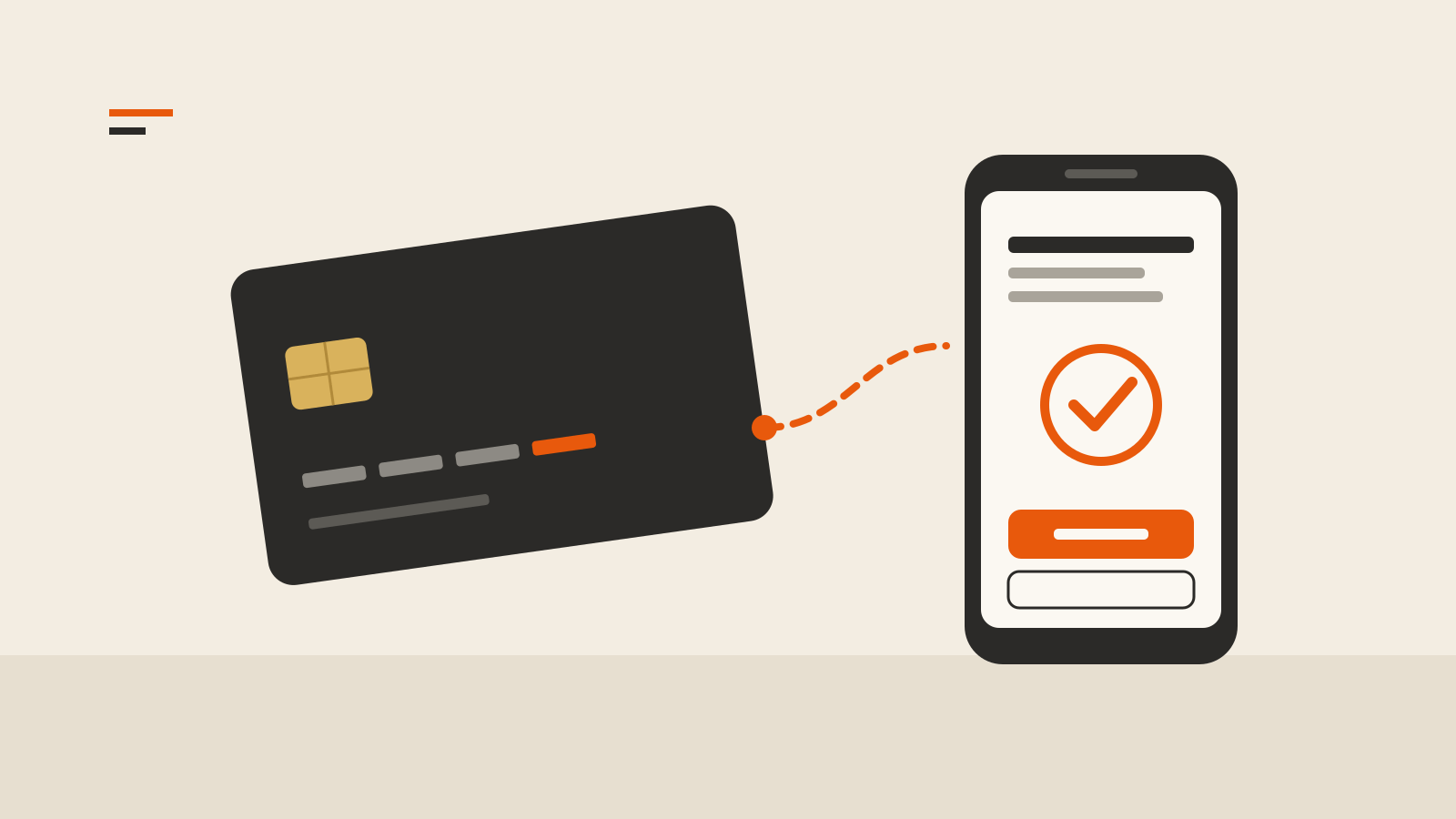
Visa’s developer guide describes two parts. A server-side component authenticates the merchant and returns limited-use public keys for end-to-end encryption. A JavaScript library then places the payment buttons on the merchant’s checkout page. When a shopper picks a method, Unified Checkout handles the interaction with that method, so card details are captured by Visa’s service rather than typed into the merchant’s own form.
The guide says a merchant can start with as few as three lines of JavaScript and can add or remove payment methods through portal settings without changing the integration code. Unified Checkout can also call follow-on services before it returns a result, including payments, Decision Manager, Payer Authentication and the Token Management Service. Payer authentication is the extra verification step our 3D Secure explainer covers.
Among the payment methods the developer guide lists are cards, Apple Pay, Google Pay, Click to Pay and Paze, with PayPal and Venmo as alternative wallets. Availability depends on region and configuration, and Barclaycard has not said which of these its UK merchants will see.
What Click to Pay adds
Click to Pay lets a shopper pay with a stored card without entering the card details on each site. Visa’s guide says it works with Visa, Mastercard and American Express cards and uses network tokenization for its transactions. Visa says the Click to Pay interface inside Unified Checkout is built on the EMV Click to Pay guidelines, so the merchant’s only interface work is placing the payment option.
For a merchant, the practical questions are the same as with any gateway change: which methods appear at checkout, whether existing card-on-file and subscription flows carry over, and how each method is priced. The cost of a card payment is set mostly by interchange and scheme fees, not by the checkout layout; our guide to interchange fees explains who takes what, and the payment fee calculator compares published processor rates.