
Crypto & Web3
Wallets, networks and the mechanics of digital assets.
Latest news
View all
Cosmos Adds Post-Quantum ML-DSA Keys in Ledger Security 2026.1
Cosmos chains can now move validators and accounts to ML-DSA signatures one key at a time.
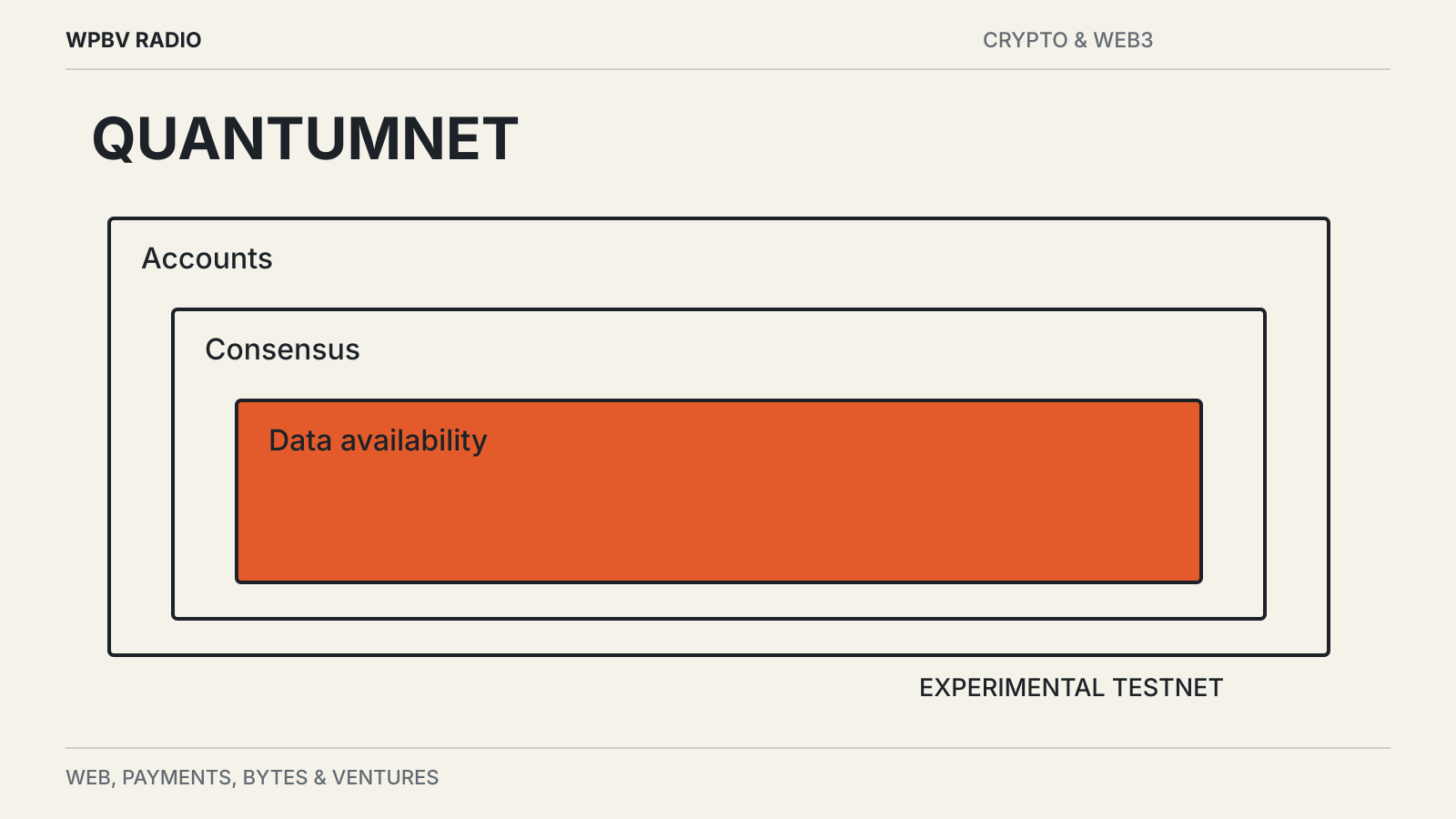
Tezos Launches Experimental Post-Quantum Testnet
Quantumnet tests changes across accounts, consensus and data availability. It is not a production network.
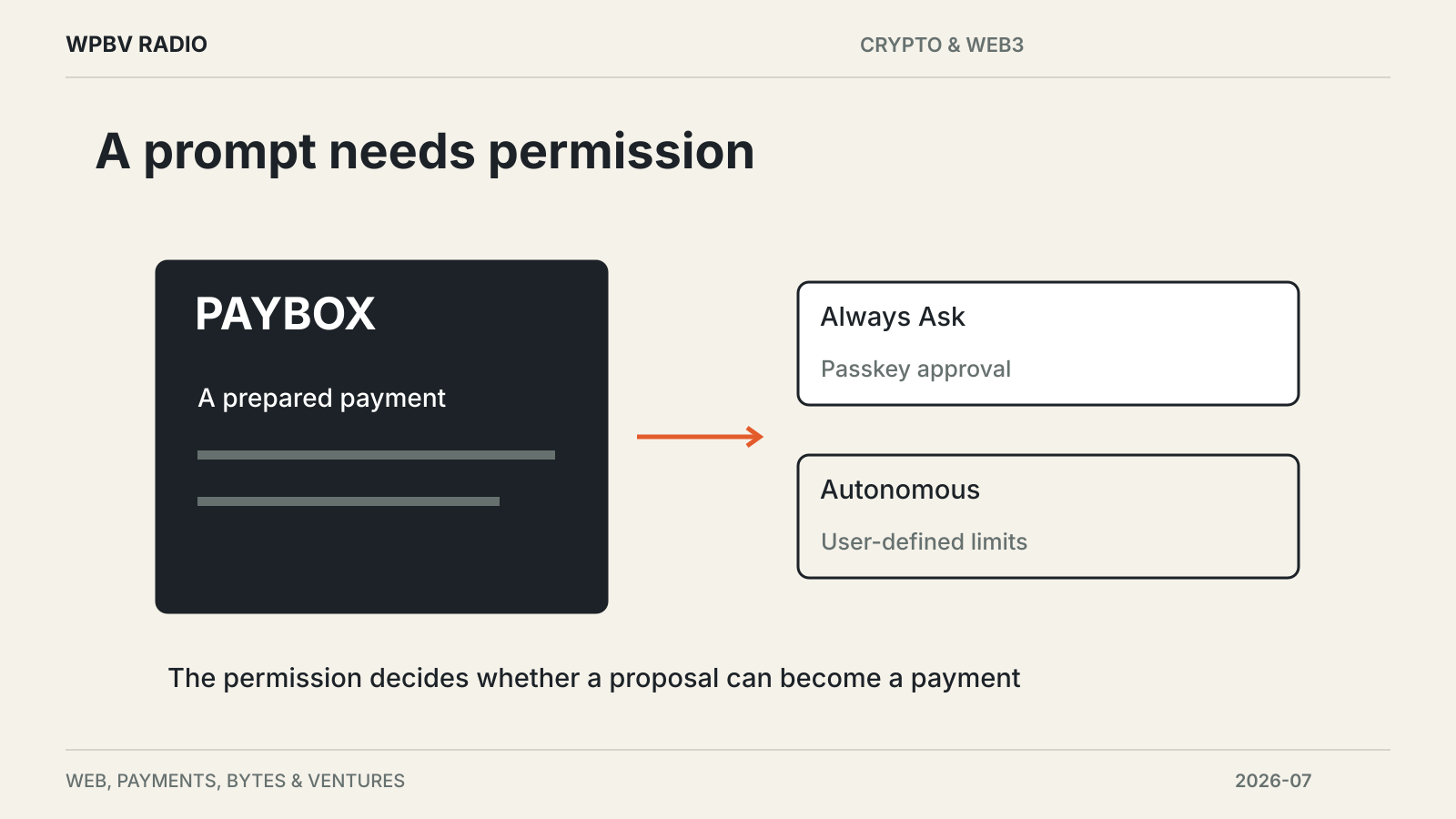
MoonPay Launches PayBox for Payments Through AI
PayBox connects payment credentials to chat assistants, with approval modes chosen by the user.
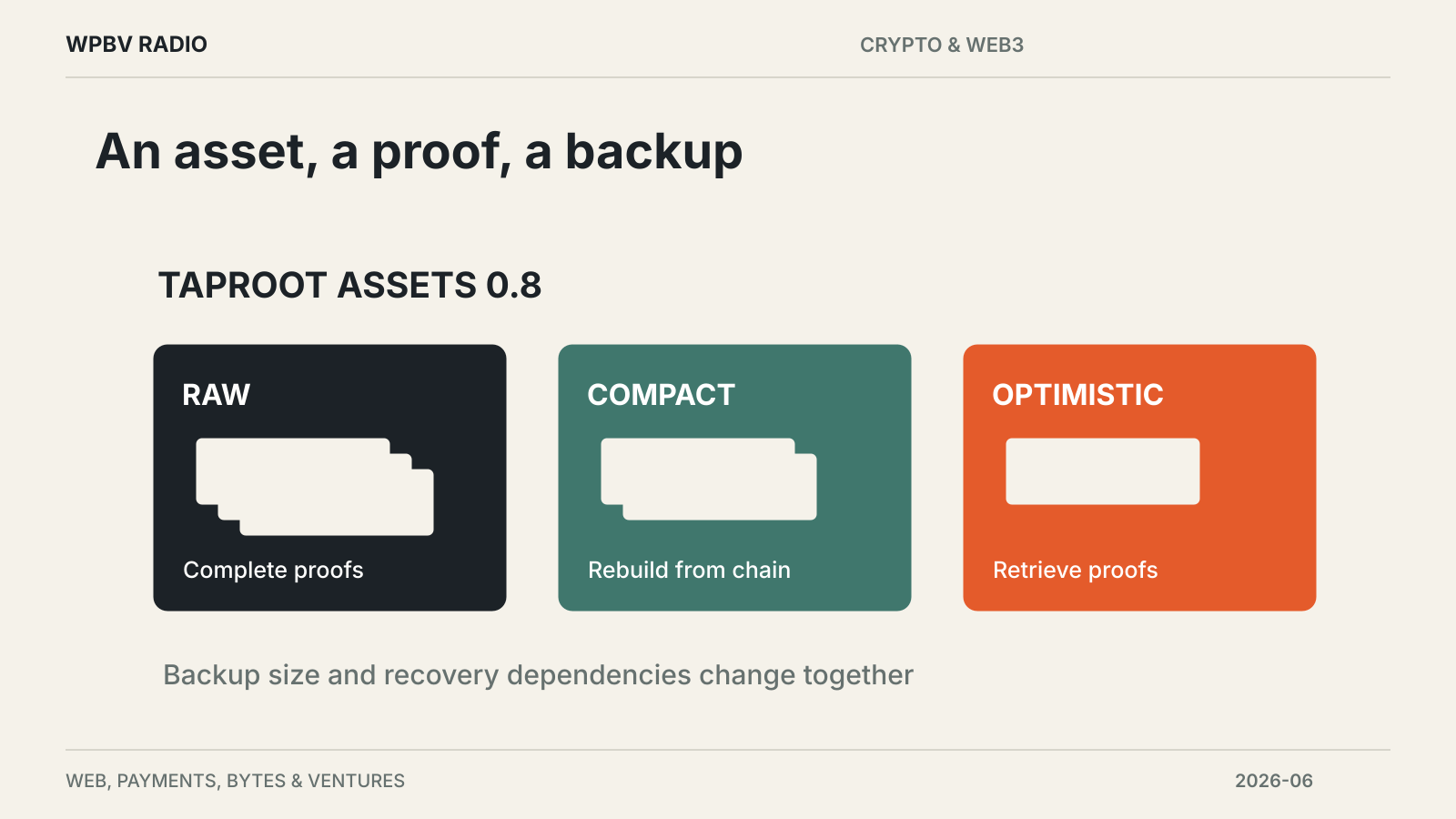
Taproot Assets 0.8 Adds an SDK and Wallet Backups
Lightning Labs adds a Go library and backup options for applications using assets on Bitcoin and Lightning.
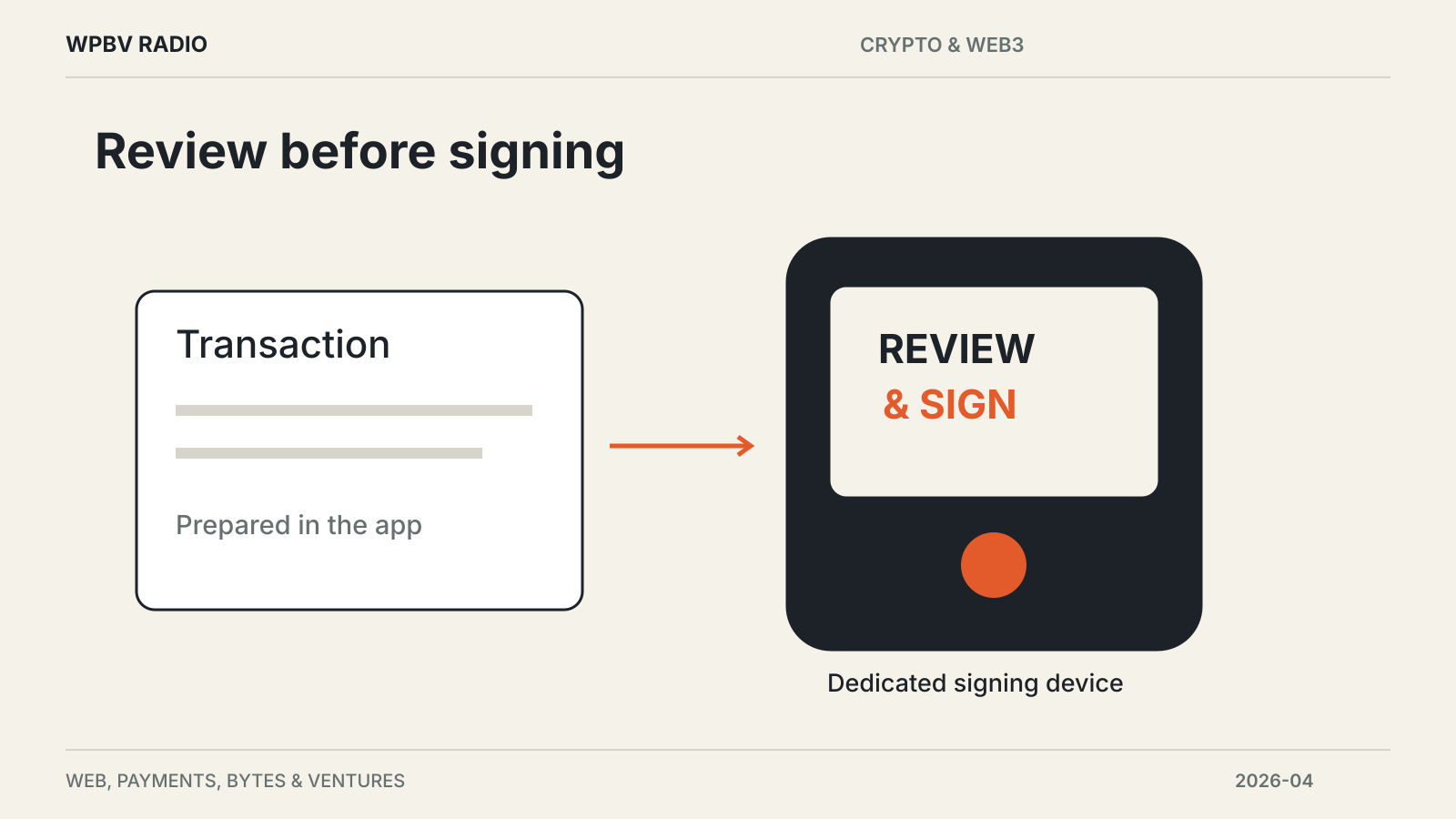
Blockstream Introduces the Jade Core Bitcoin Wallet
Jade Core focuses on guided setup and transaction checks within Blockstream's hardware-wallet range.
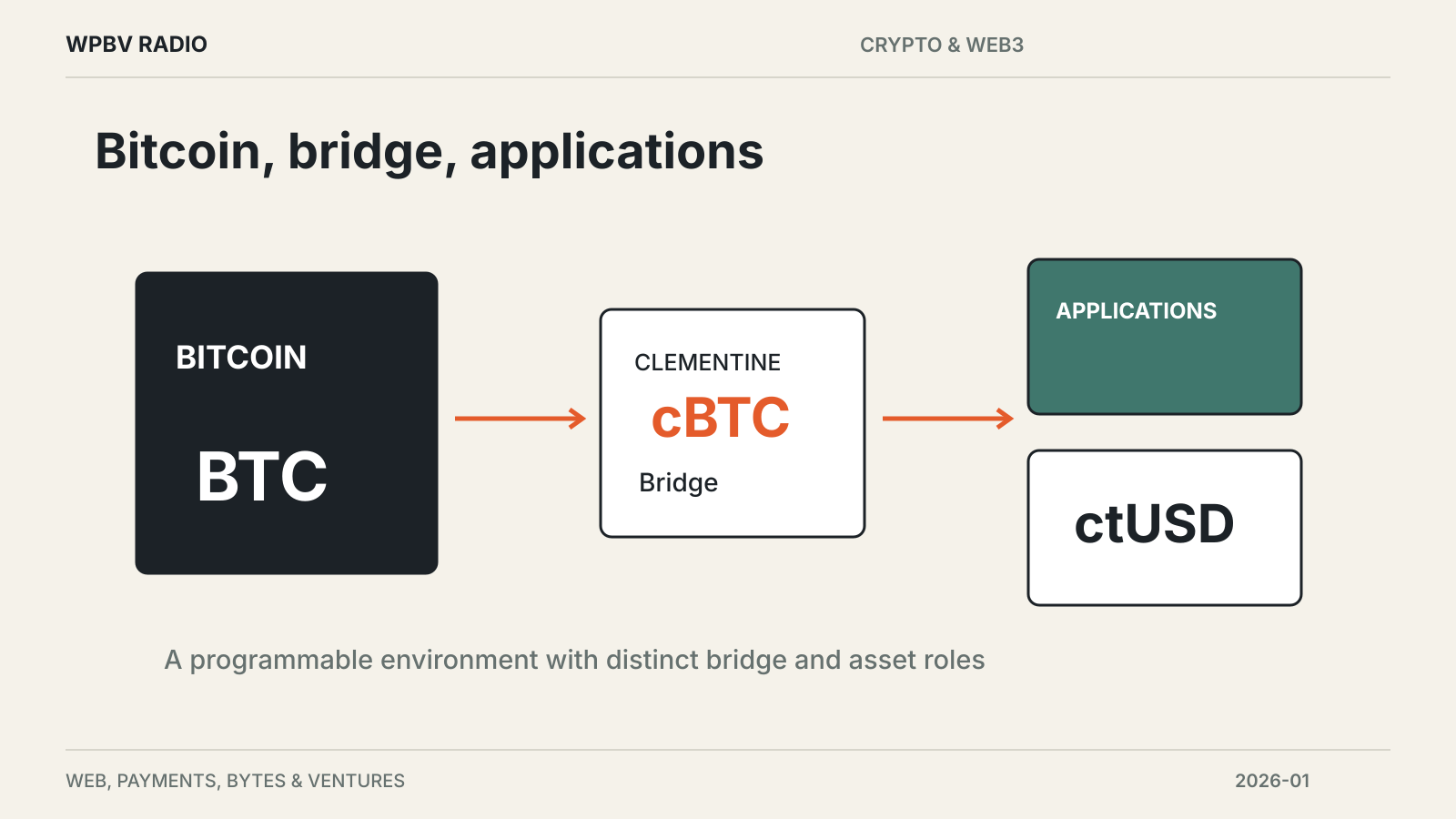
Citrea Launches Mainnet With cBTC and ctUSD
Citrea's mainnet launch combines a Bitcoin bridge, a dollar stablecoin and an application ecosystem.
Explainers & guides
View all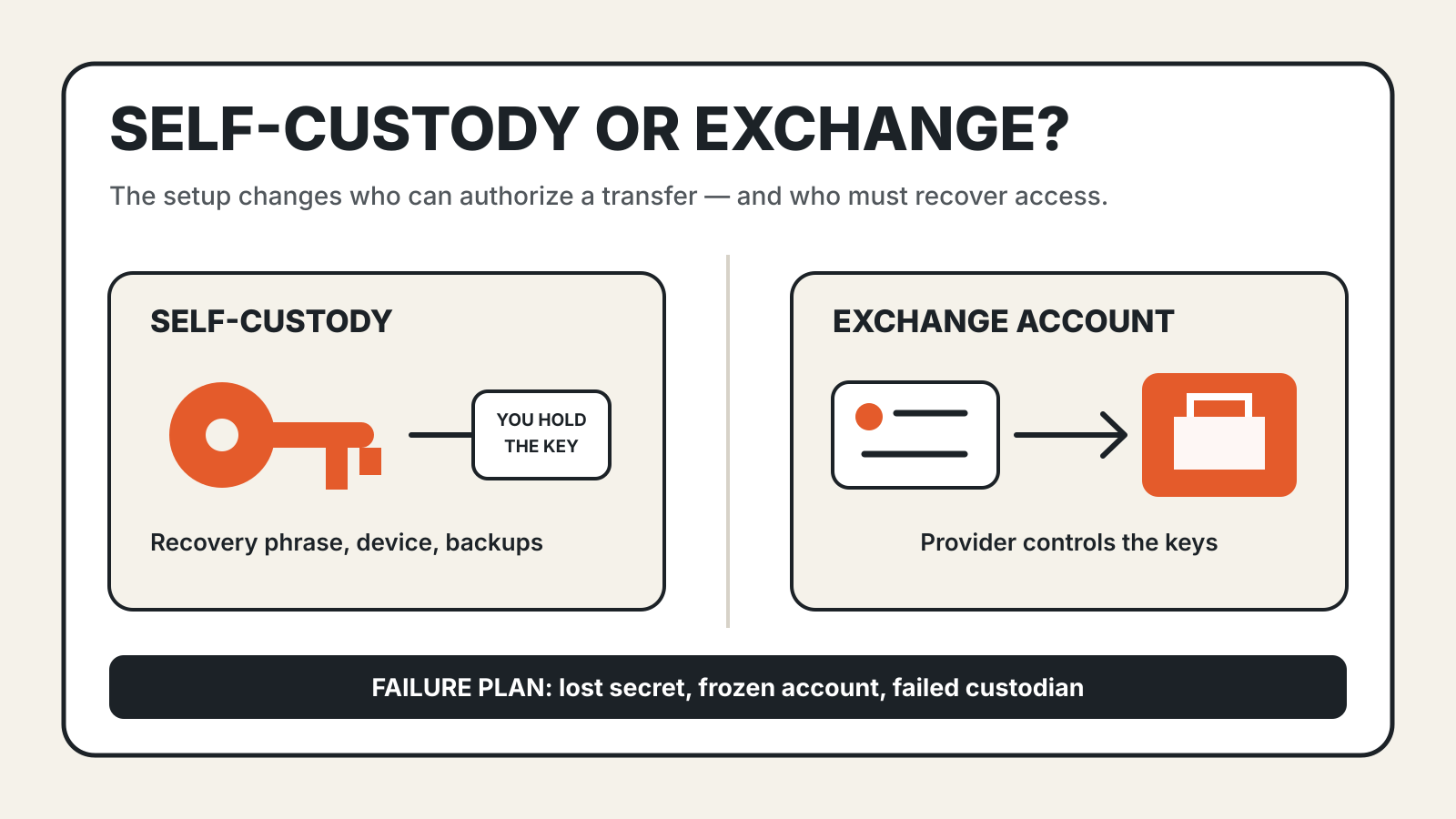
Self Custody vs Exchange: Keys, Recovery and Risk
Compare key control, recovery and provider risk before choosing where to hold crypto assets.
Proof of work vs proof of stake: how the two systems agree
Proof of work spends computation; proof of stake puts validator capital at risk.
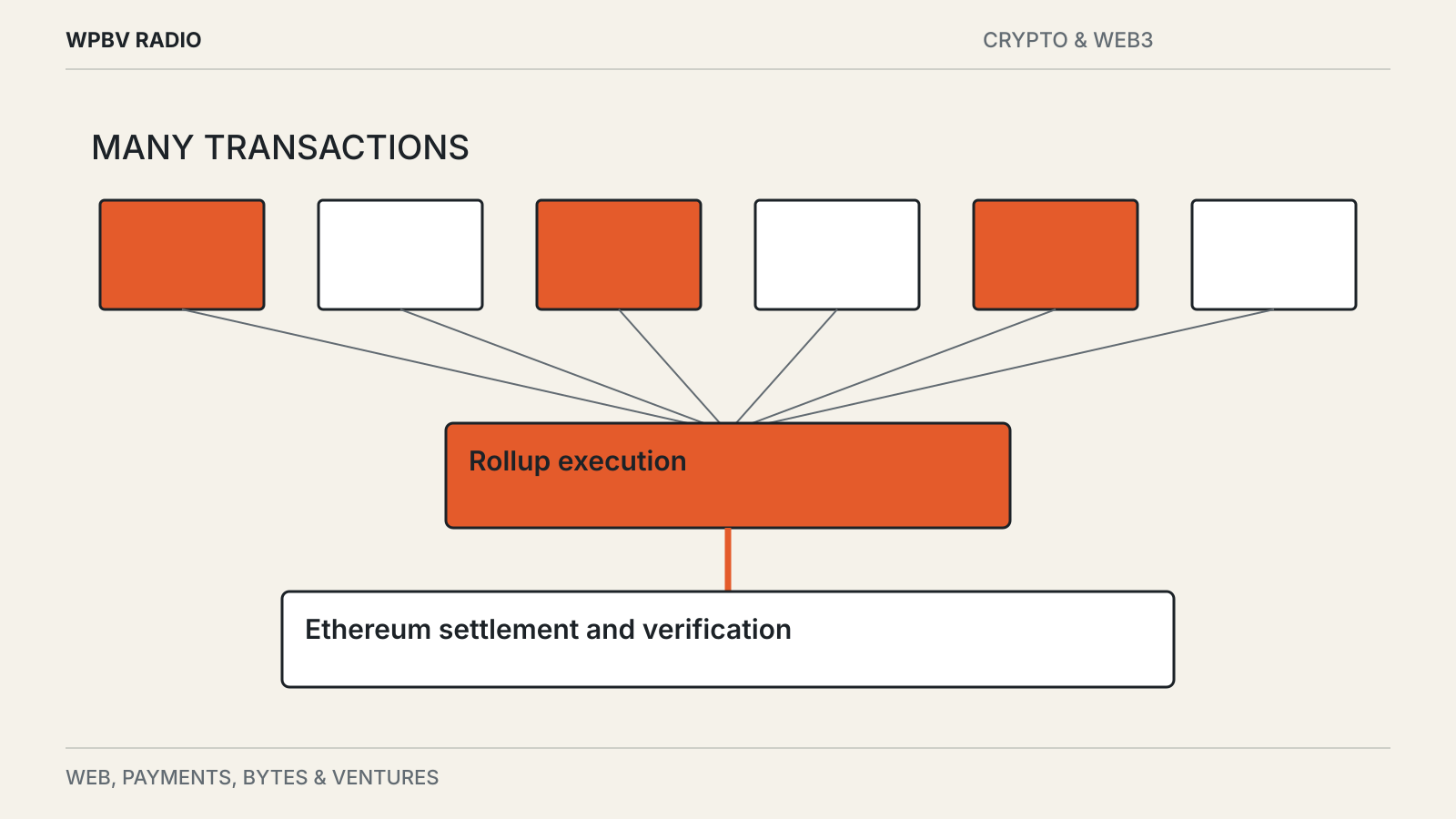
Ethereum Layer 2: what gets cheaper?
Moving execution changes the cost of a transaction. It also adds details about bridges, withdrawals and trust.
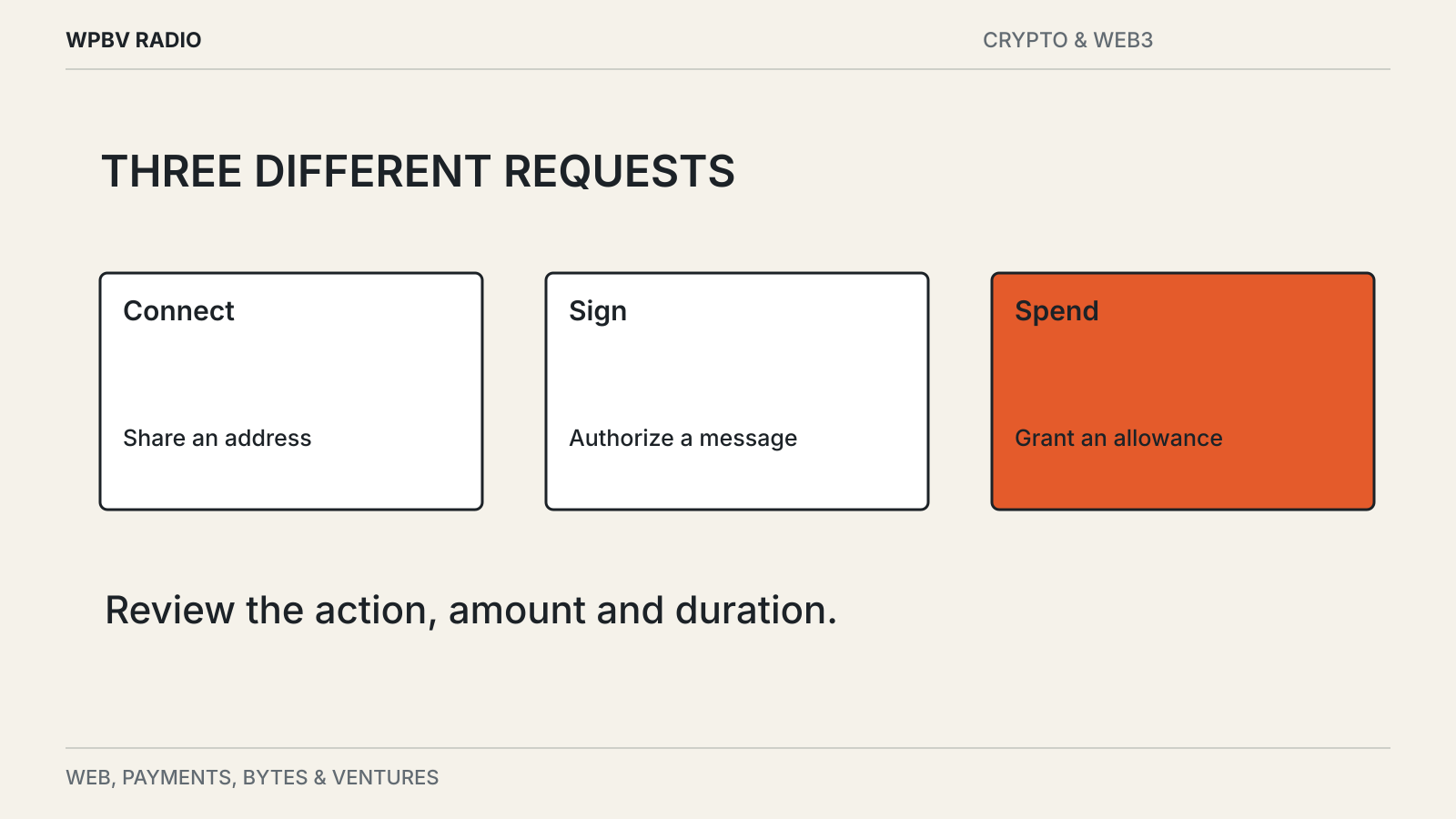
What You Approve When You Connect a Crypto Wallet
A connection, a signature and a spending permission can appear in similar popups but have different effects.
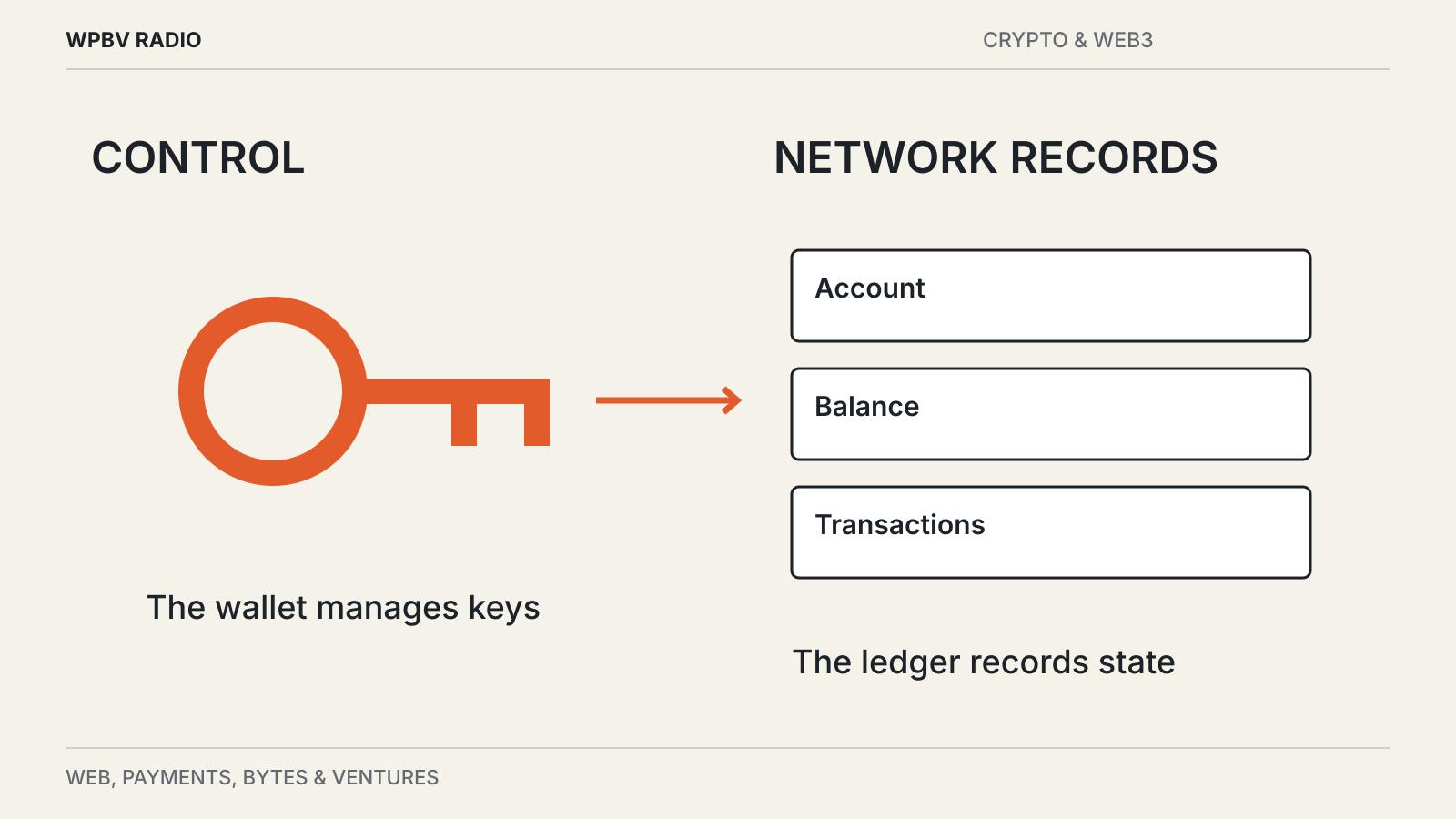
A Crypto Wallet Stores Keys. Where Are the Coins?
Your balance belongs to a network's records. The wallet helps you prove which actions you may authorize.
About this desk
This desk explains what a blockchain application does and which assumptions sit behind its interface. We cover wallets, scaling systems, network changes and experimental work, keeping test environments distinct from production releases.
If you are new to the subject, start with where a wallet’s coins are recorded. Then read what a wallet connection authorizes. Those two concepts help make sense of many product announcements.
We focus on the details a user can inspect: the network, supported asset, requested permission, fee and route back out. A technical innovation can be interesting without establishing that a token is a suitable purchase. The news below follows current developments, while the explainers provide context for interpreting claims about security, performance and the cost of using a network.