ENSv2, the rebuilt version of the Ethereum Name Service, went live on Ethereum mainnet on Tuesday, October 27, 2026. ENS Labs said in its launch post that the release changes the protocol underneath names such as alice.eth and replaces the apps people use to manage them.
What changed in the protocol
ENS maps a readable name to an Ethereum address and other records, so a wallet can send funds to a name instead of a long hexadecimal string. According to ENS Labs, ENSv2 makes three changes to how that works:
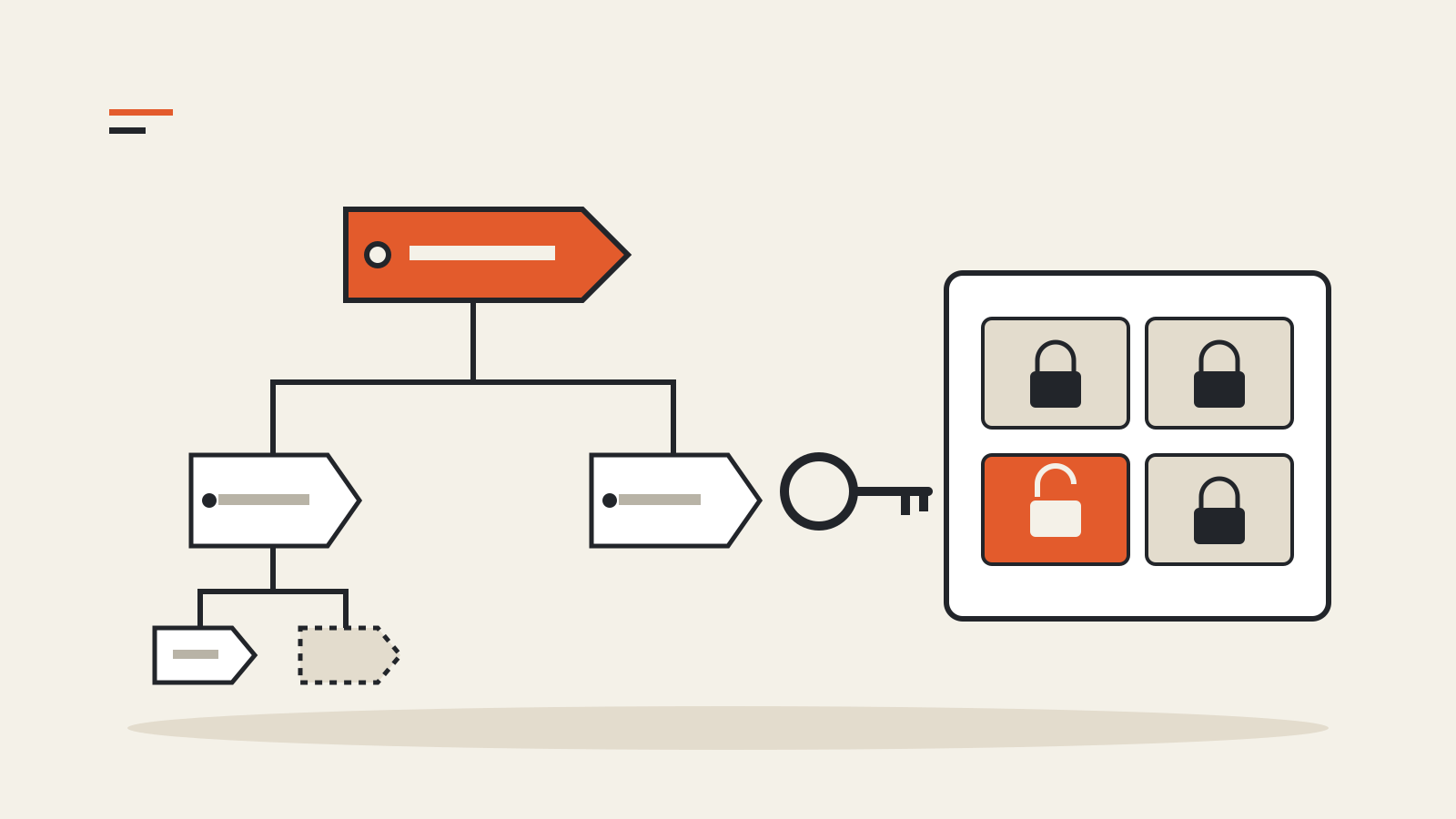
- Hierarchical registries. An individual name can act as its own onchain registry. A community can decide how it issues names to members, and a company can organize names around its teams and products.
- Narrower permissions. An owner can let someone manage one part of a namespace without handing over control of the rest.
- Linked records and new resolution. Names can share records through linking, and resolution has been updated to follow the new registry structure.
ENS Labs describes this as moving lessons from the Name Wrapper, the ownership and permissions layer it added on top of the first version, into the foundation of the protocol. The company says the Name Wrapper made the original architecture “more complex to manage.”
A new app and an explorer
The release comes with two front ends. The ENS App is for everyday users: registration is redesigned as a single action, and the app handles renewals, profile settings and notifications. The ENS Explorer is aimed at builders, showing a name’s history, who controls it, how it resolves and how it is configured.
The App, Explorer and protocol went through public Alpha and Beta testing; ENS Labs says work since Beta has focused on refinement and security fixes.
What existing name holders need to do
Nothing, unless they want the new features. ENS Labs says existing names keep working and do not need to be registered again. Holders who want ENSv2 capabilities can upgrade a .eth name in the ENS App from the launch day onward.
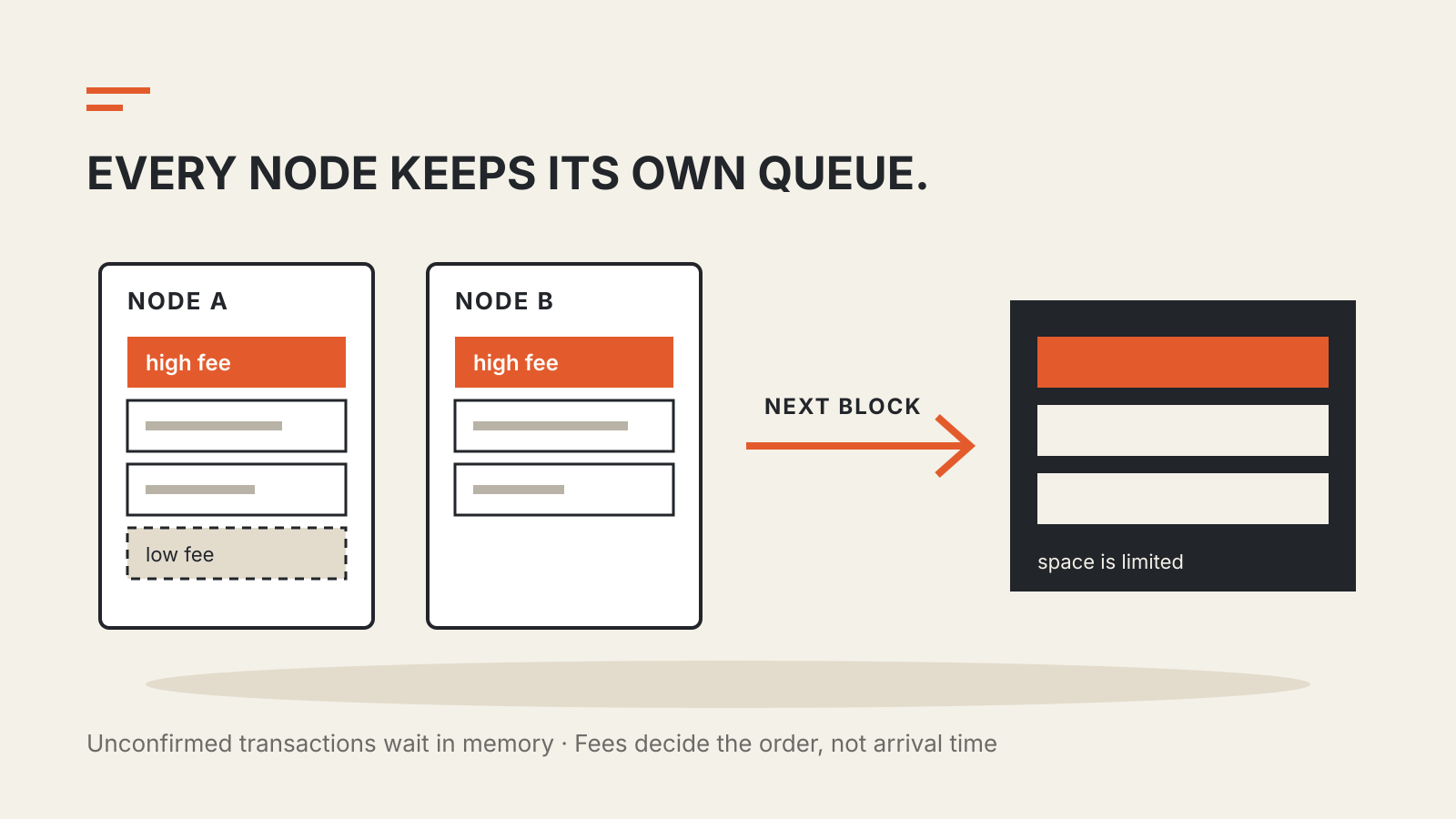
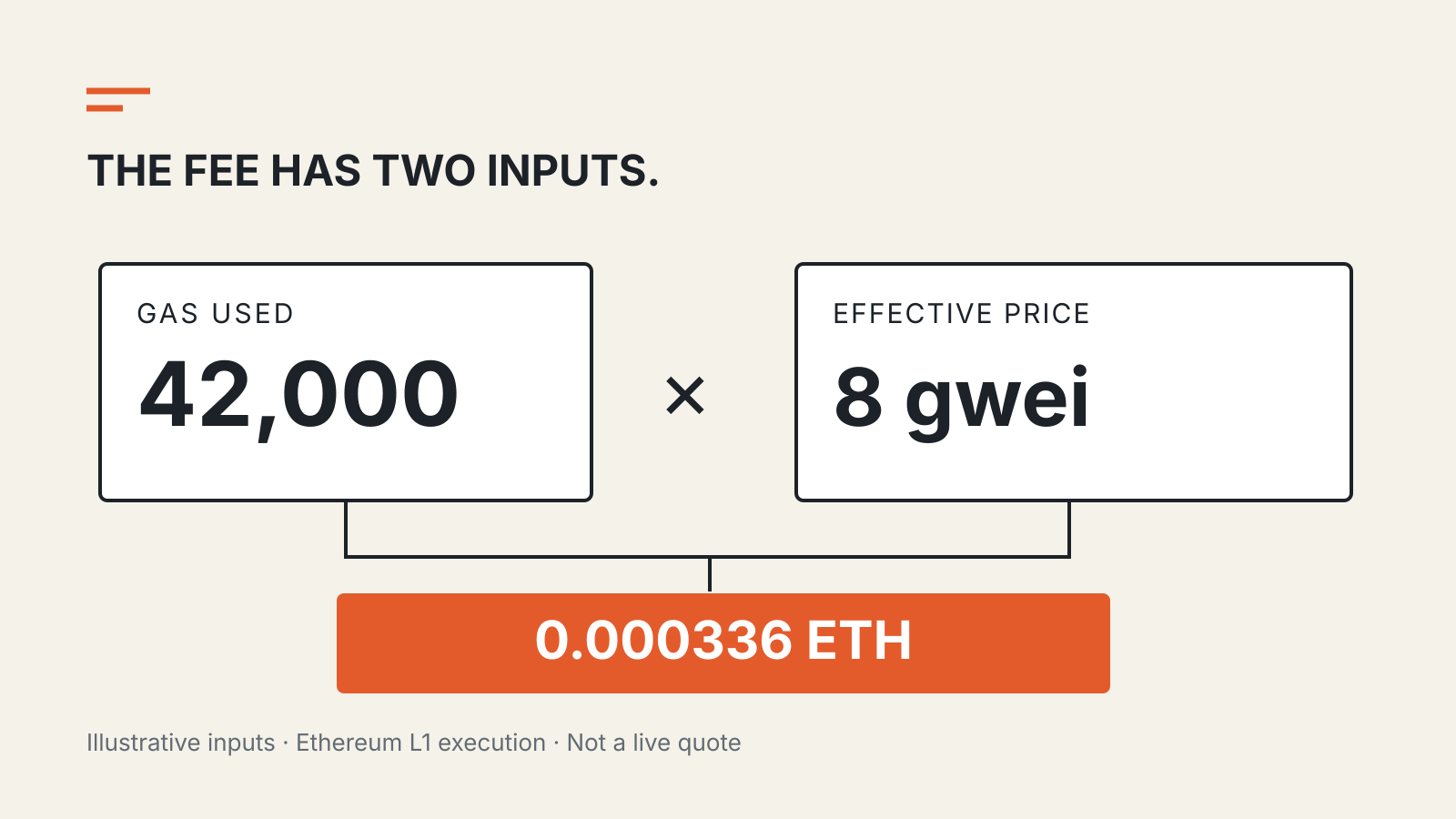
The launch also includes a commemorative NFT that eligible holders can claim after upgrading all their eligible names. The claim is an Ethereum transaction, so the holder pays network gas. Anyone weighing whether to upgrade straight away should treat that as an optional extra, not part of the migration. Our explainer on crypto gas fees covers how that cost is set.
Scale and integrations
ENS Labs puts the system at more than 36 million names across .eth and ecosystem namespaces, with more than 600 applications supporting name resolution. Its launch post lists partners preparing for ENSv2, including MetaMask, Safe, Uniswap, Arbitrum, OKX Wallet and Trezor, with work focused on offchain names, primary names, profiles and smart accounts. The post does not say which of these integrations are live on launch day, so check a specific wallet’s own release notes before relying on a new ENSv2 feature there.
For the wider question of who controls the keys behind a name and an address, see our guide to self-custody versus an exchange account.