
Latest

Credit Card Surcharge Rules: Network Caps, State Law and Australia
What Visa and Mastercard allow, where state law bans or caps a card fee, and Australia's October 2026 ban.

Multisig Wallet Explained: When One Key Is Not Enough
How M-of-N signing works on Bitcoin and in smart-contract accounts, what it protects against and what it adds to manage.

Trezor Safe 5 Implant: Firmware 2.13.1 Blocks It, but Old Seeds Stay Exposed
Trezor found implants in three Safe 5s sold by CryptoBilis. Firmware 2.13.1 blocks them; exposed seeds must still move.

Mercado Bitcoin Hack: Why Withdrawals Are Frozen
Mercado Bitcoin, hit by a reported hack, froze deposits and withdrawals while it investigates.
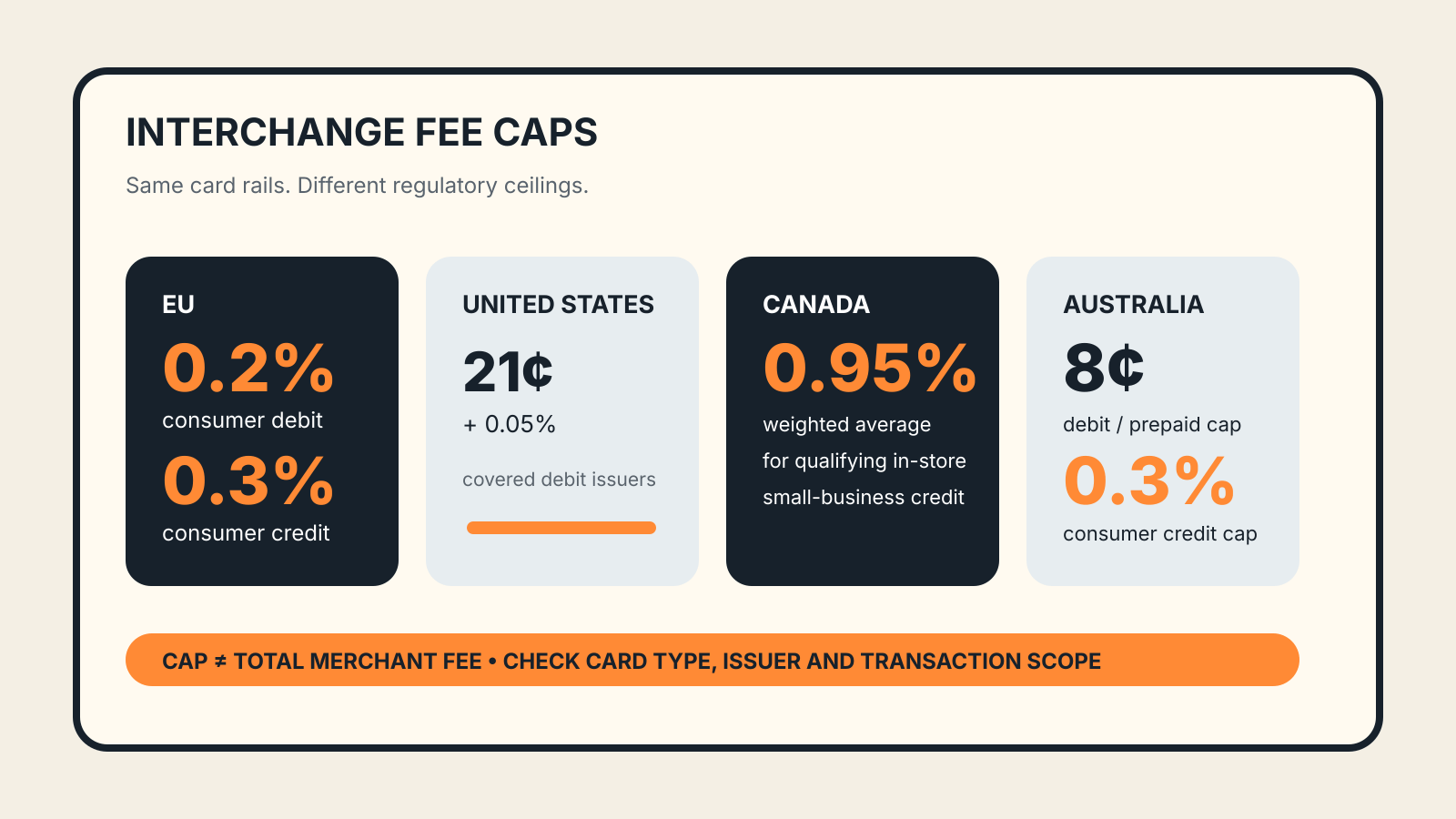
Interchange Fee Caps: EU, US, Canada and Australia
How interchange fee limits differ across the EU, US, Canada and Australia—and why the cap is not the total merchant fee.
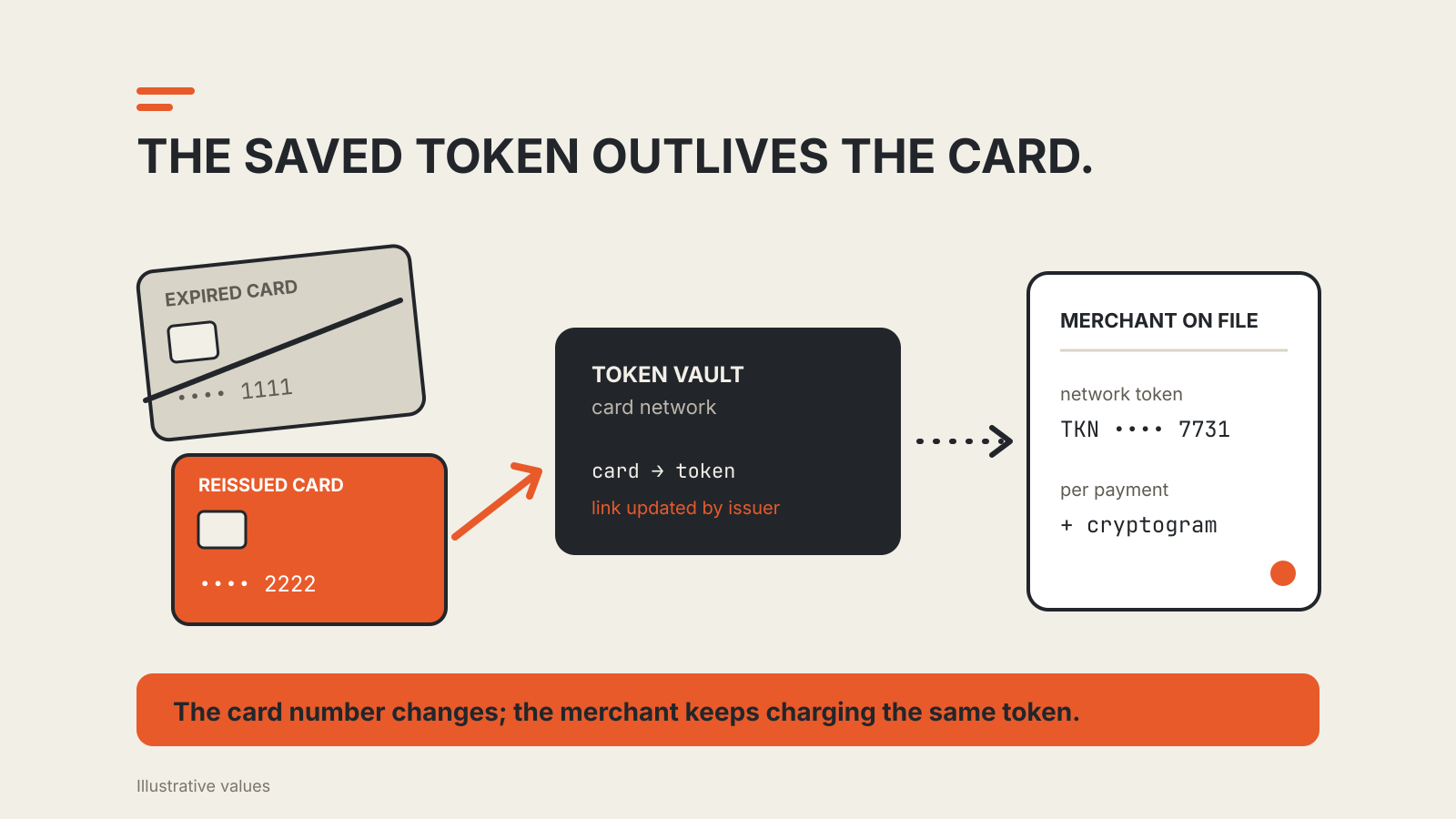
Network Tokenization Explained: Why a Saved Card Keeps Working
How network tokens replace a stored card number, survive a card reissue and what a merchant still has to check.
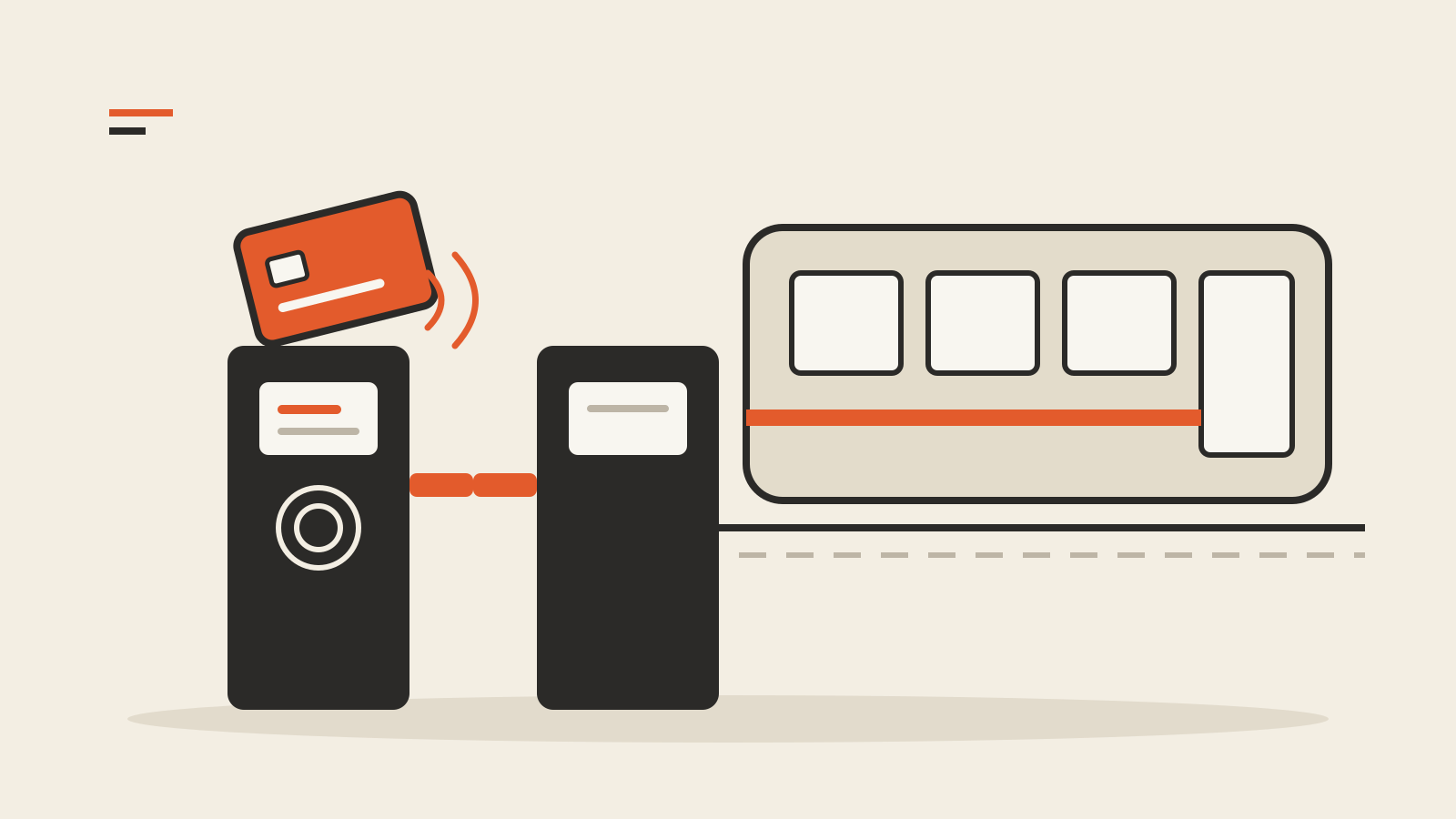
JCB and Hanoi Metro Plan Contactless Fares for Early 2027
JCB and Hanoi Metro signed an MOU on October 29 to let JCB cardholders tap in at metro gates from early 2027.
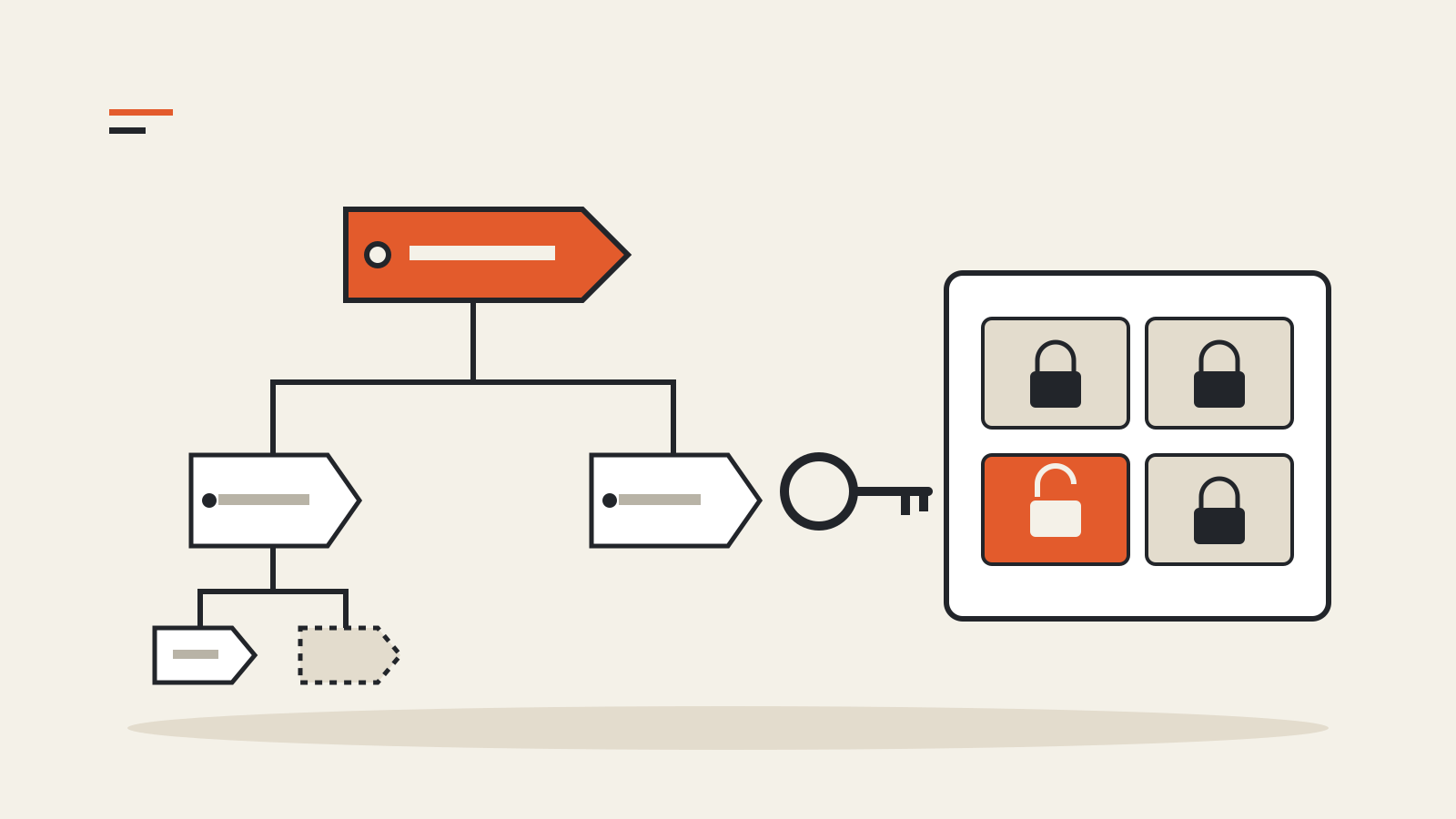
ENSv2 Goes Live on Ethereum Mainnet With Nested Name Registries
ENSv2 is live on Ethereum mainnet with nested registries and narrower permissions; existing names keep working.
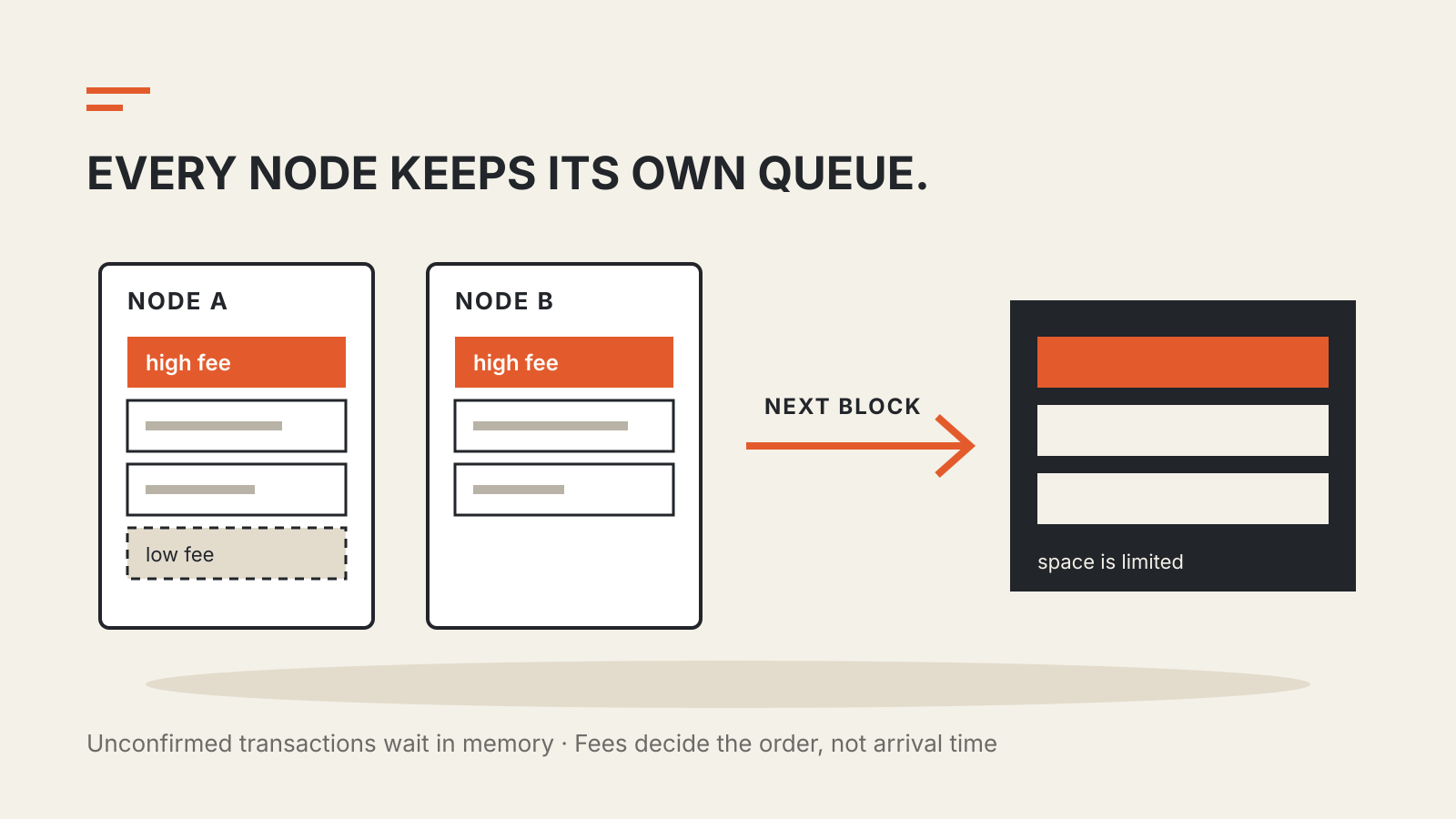
The Mempool Explained: Where a Crypto Transaction Waits
Why a sent transaction can sit unconfirmed, who decides the order, and how fee bumps and expiry rules work.
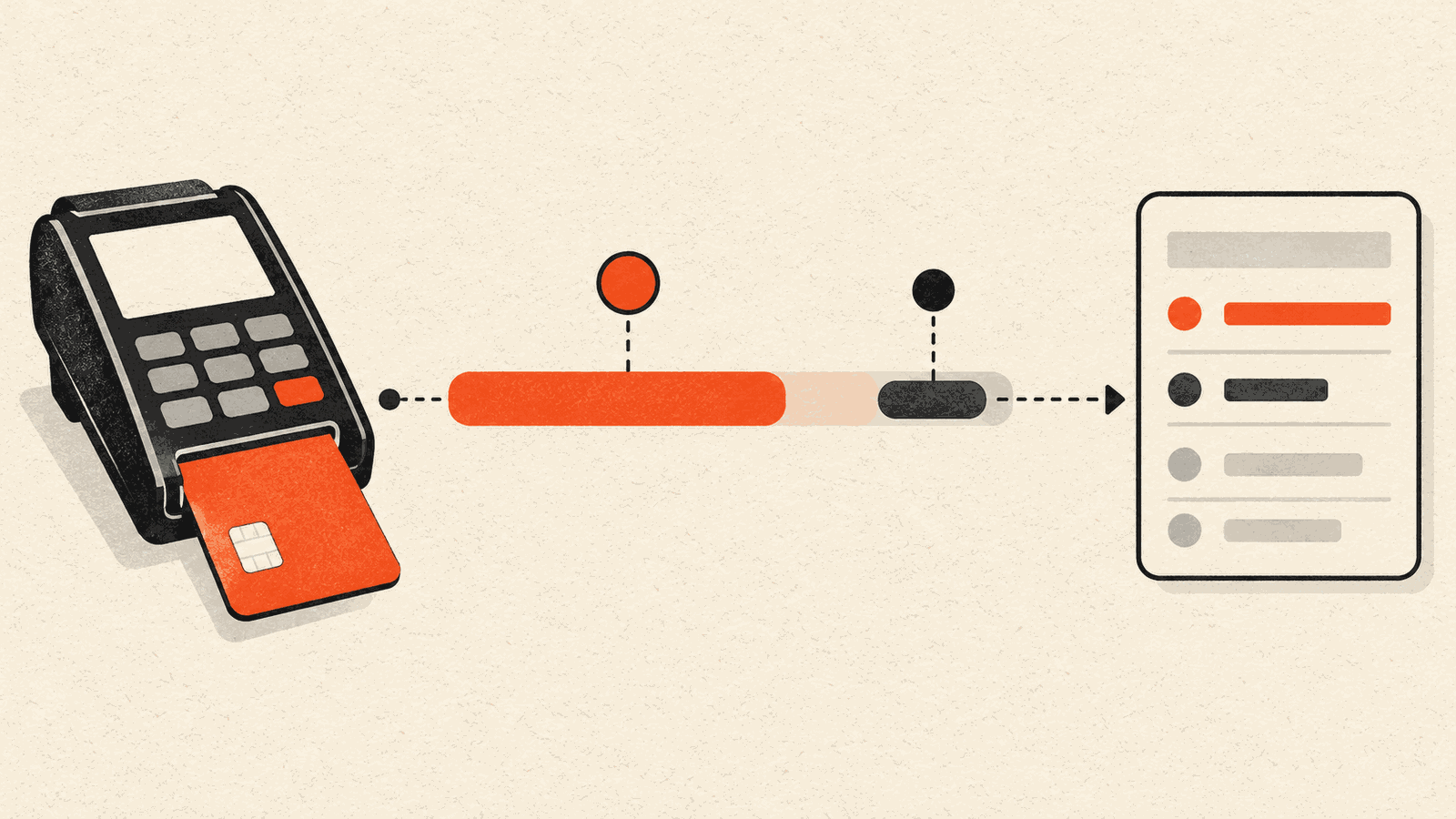
Authorization Hold Explained: Pending Card Charges
Why a card authorization hold reduces available funds, how it becomes a final charge and what reversals do.
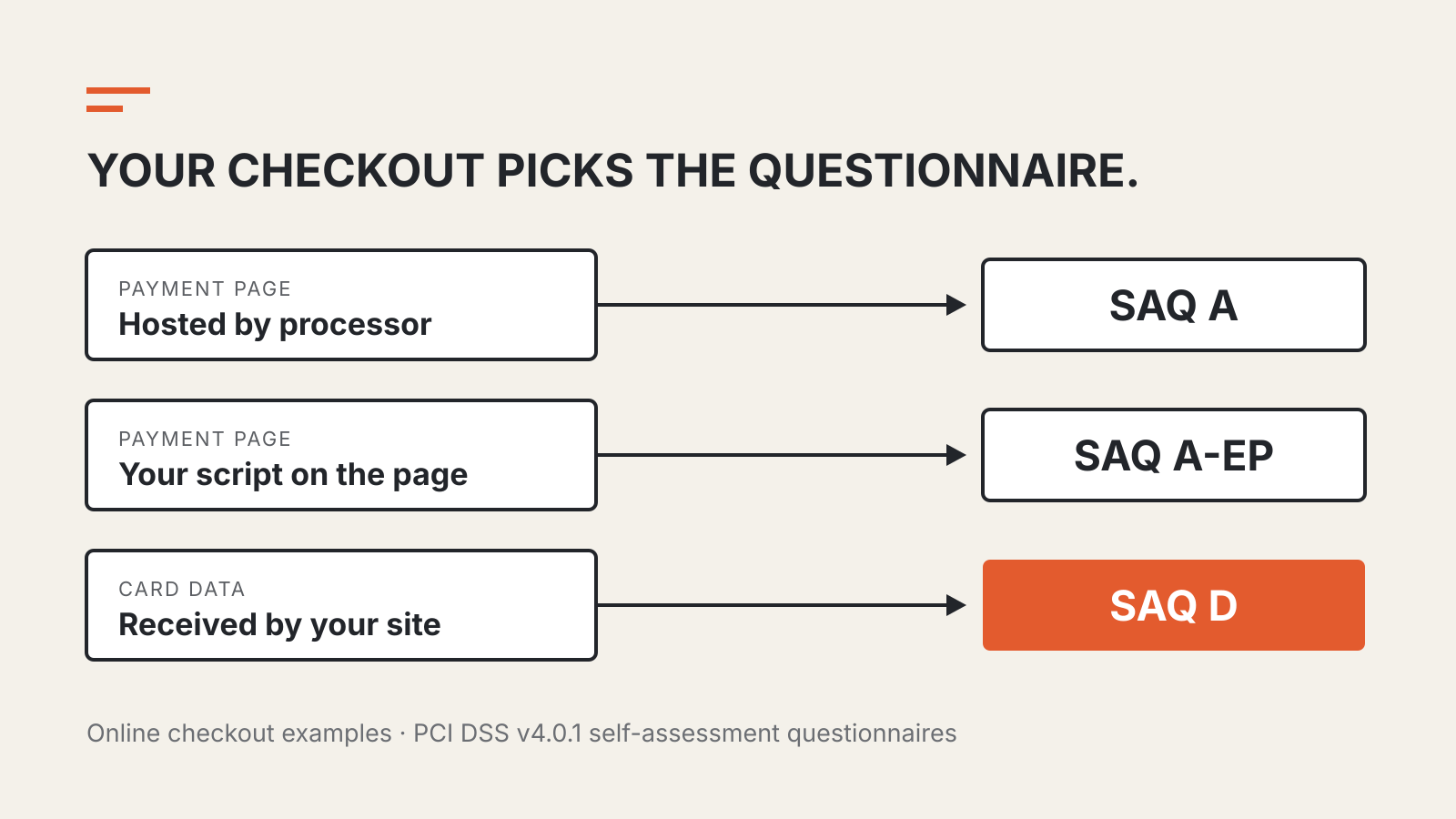
PCI SAQ Types: Which Self-Assessment a Merchant Fills In
Which PCI self-assessment questionnaire fits each way of taking cards, and how checkout design sets SAQ A or A-EP.
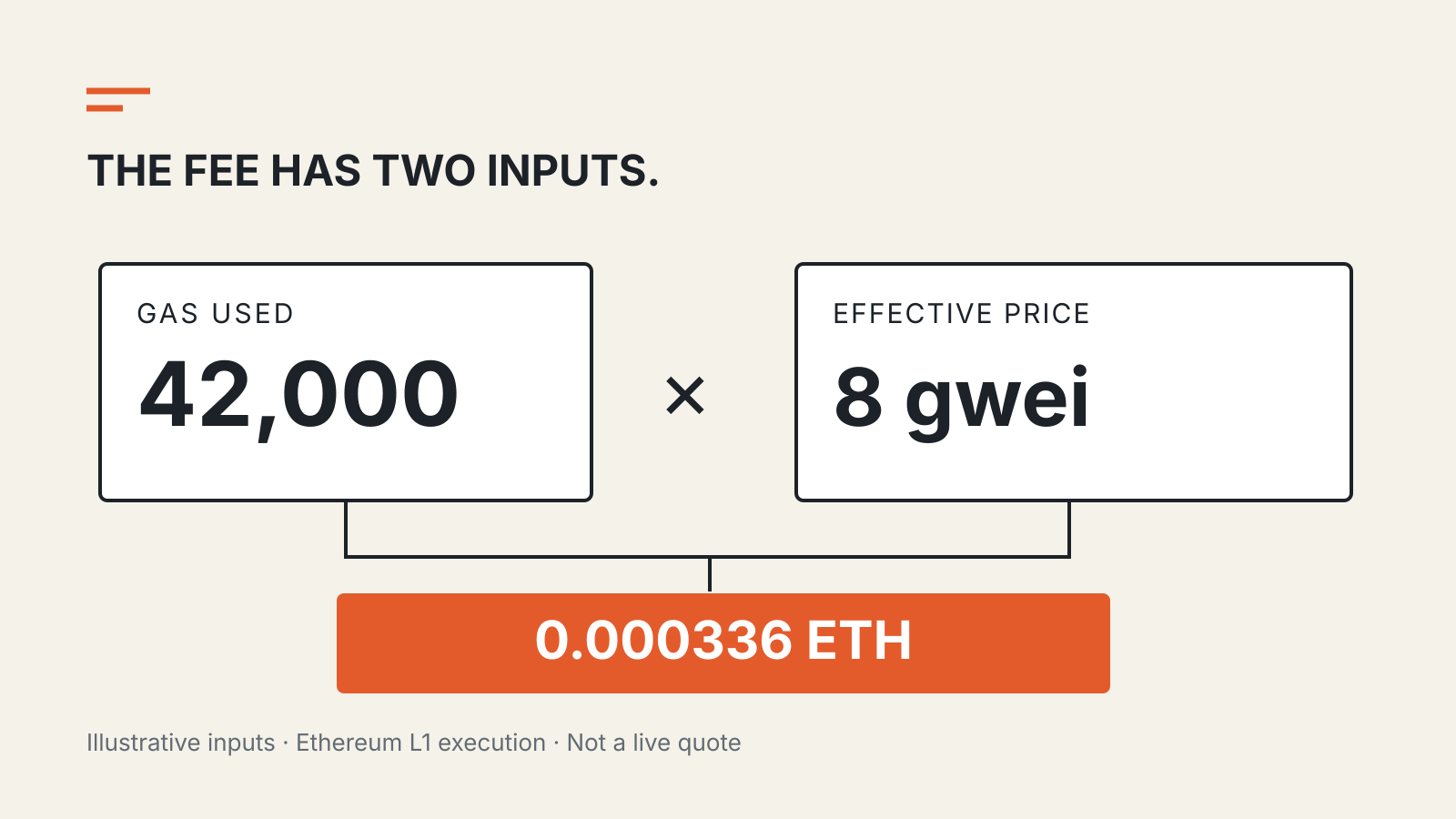
Crypto Gas Fees Explained: Work, Price and the Final Bill
Read Ethereum fees by separating gas used, price per gas and the final execution charge.

Euronet Launches OLON Merchant Platform, Starting in Greece
Euronet's OLON bundles card acceptance, software integrations and add-on services for merchants; Greece goes first.

Solana Alpenglow Goes Live on Mainnet, Replacing TowerBFT
Solana switched from TowerBFT to Alpenglow consensus on October 21; Anza puts finality at about 150 ms.

Blockchain Bridge Explained: Assets, Proofs and Risk
Follow a cross-chain transfer from its source transaction to the asset received on the destination chain.

Debit Card Routing: Why US Debit Cards Carry Two Networks
The US two-network debit rule, what card networks may not restrict, and the Regulation II fee cap.

Blockchain Finality Explained: When a Crypto Payment Is Final
How Bitcoin, Ethereum and Solana decide when a transaction can no longer be reversed.

Barclaycard Payments Adds Visa Unified Checkout for UK Merchants
Barclaycard Payments is adding Visa Unified Checkout to its Smartpay Fuse gateway for UK merchants.

Interchange Fee vs MDR: Which Part of a Card Fee Is Which
The MDR is the whole charge for accepting a card; interchange is the issuer's slice inside it.
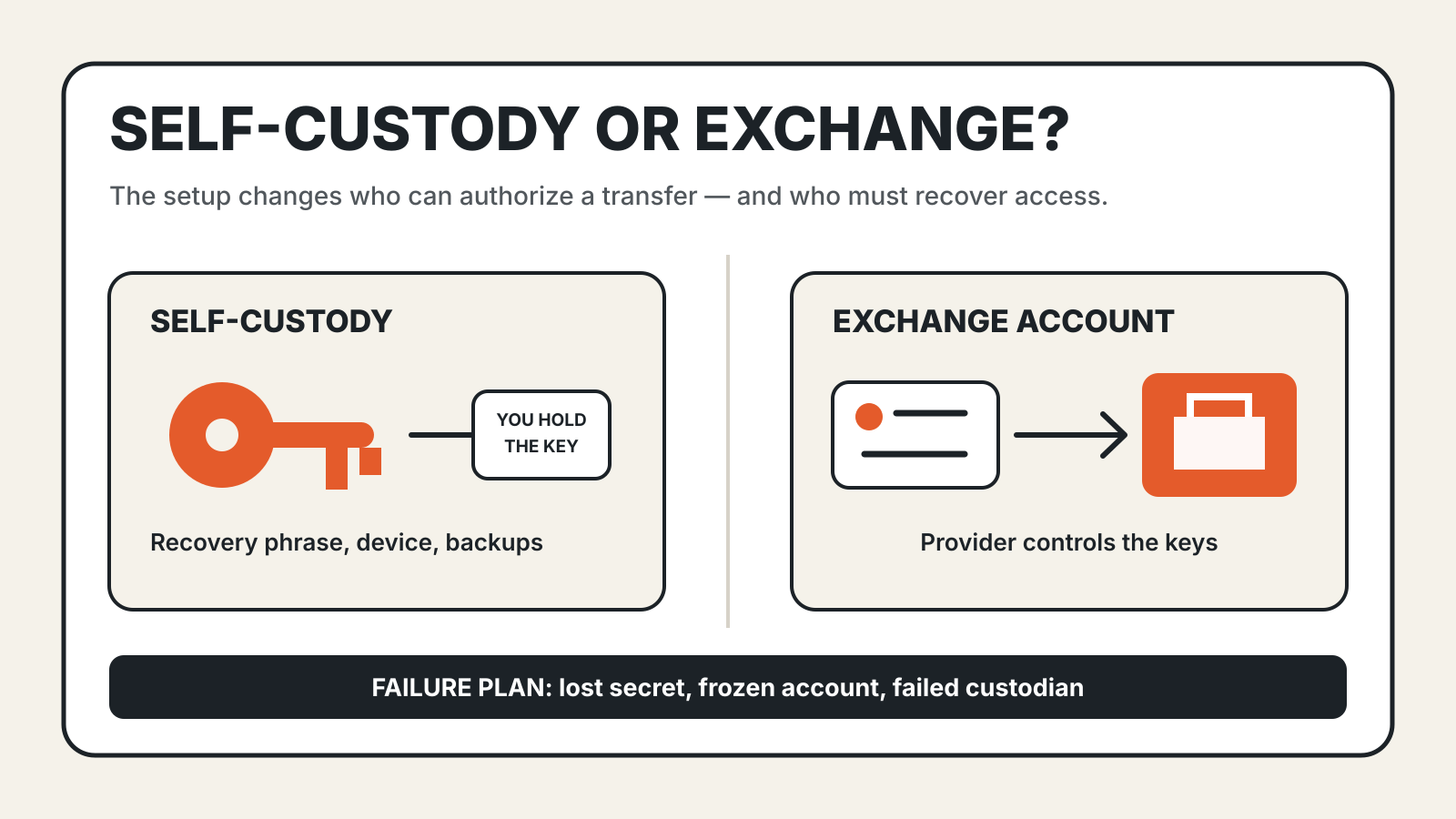
Self Custody vs Exchange: Keys, Recovery and Risk
Compare key control, recovery and provider risk before choosing where to hold crypto assets.

Cosmos Adds Post-Quantum ML-DSA Keys in Ledger Security 2026.1
Cosmos chains can now move validators and accounts to ML-DSA signatures one key at a time.
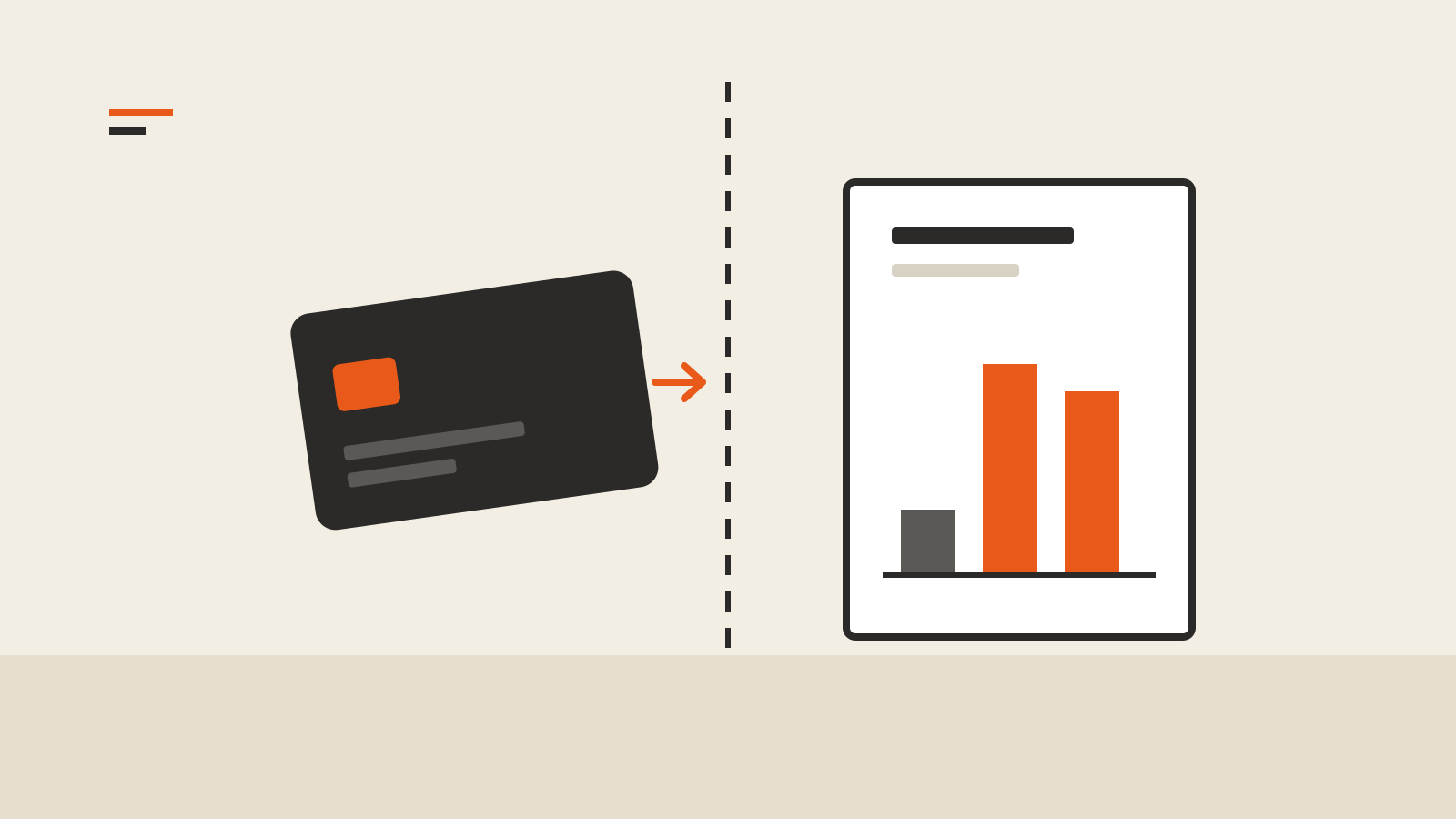
Visa and Mastercard Face £700 Million UK Claim Over EEA Card Fees
A £700M opt-out claim says UK businesses overpaid on online sales to EEA cardholders after Brexit.
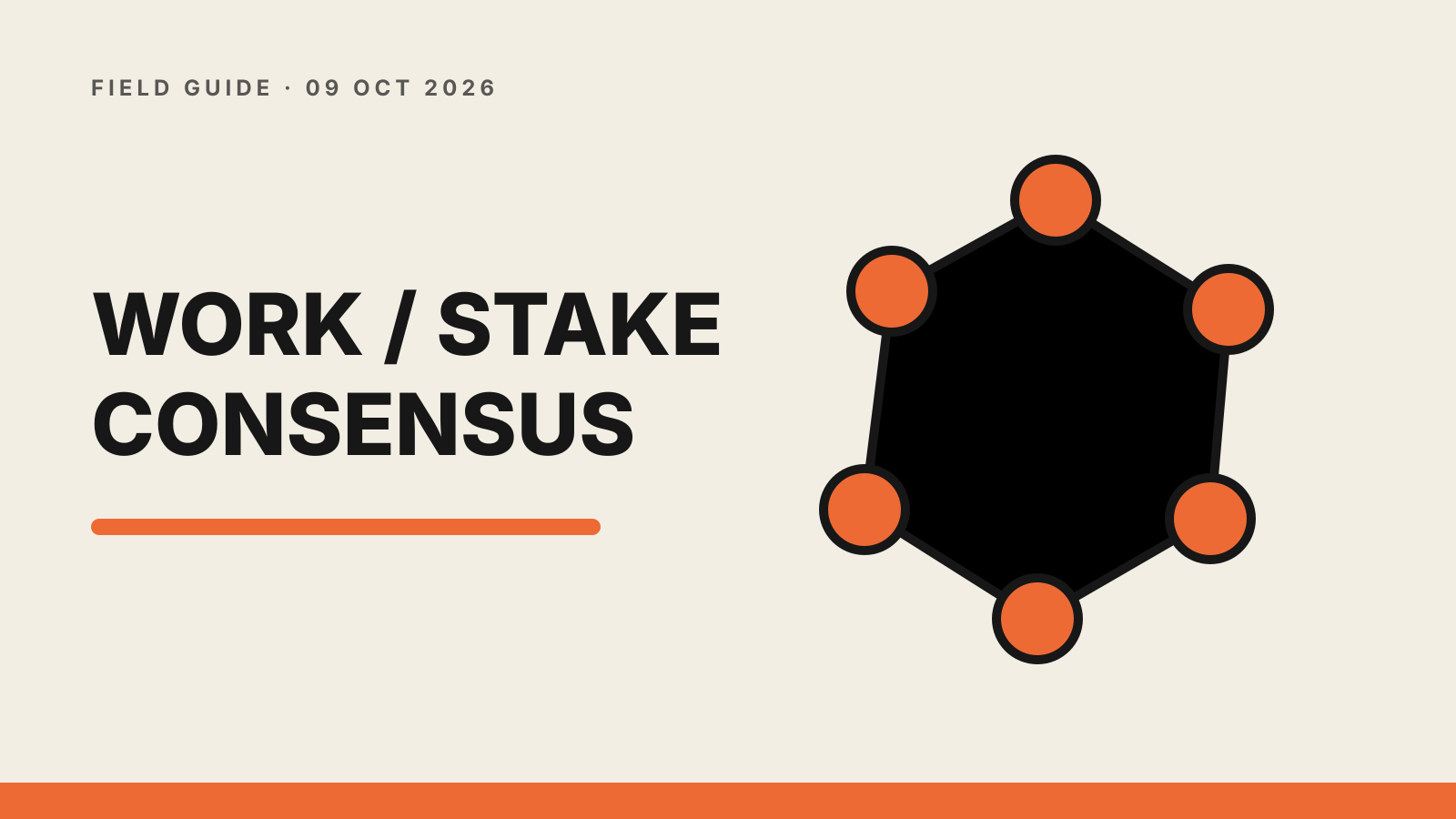
Proof of work vs proof of stake: how the two systems agree
Proof of work spends computation; proof of stake puts validator capital at risk.

3D Secure Explained: Why Some Card Payments Ask for a Second Step
Why your bank asks you to approve some card payments, when it can skip the step, and who pays for fraud.