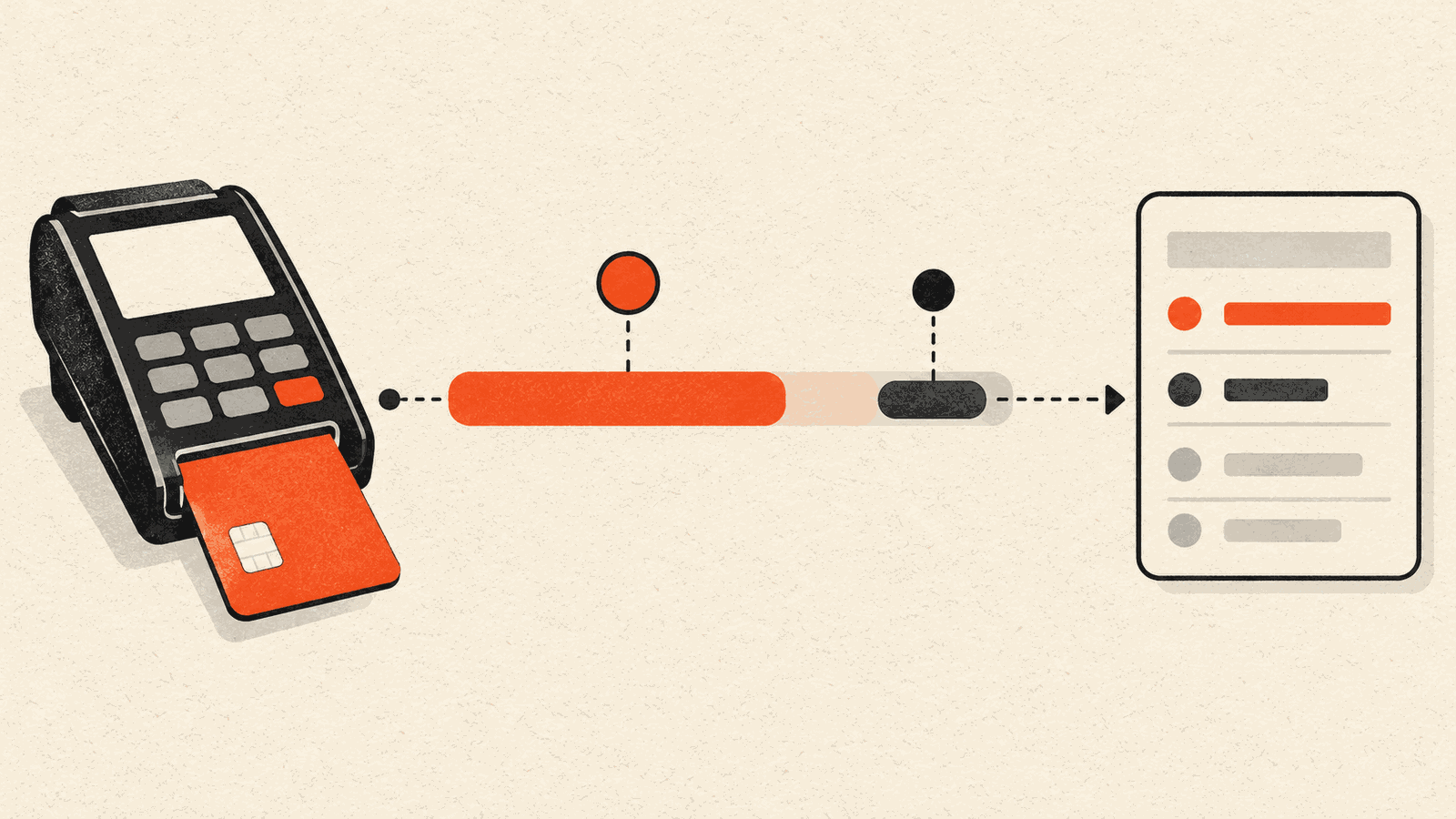
An authorization hold is a temporary reservation of funds or credit while a card payment is unfinished. It often appears after a hotel, fuel or car-rental transaction where the final amount is not known at the start. The issuer reduces the available balance after approval; the merchant later clears the transaction at its final amount.
The hold is not a second purchase. It is a temporary reservation inside the card-payment process. Problems arise when the estimate is too high, the final transaction is delayed or a cancelled sale is not reversed correctly.
Authorisation comes before settlement
A card purchase is not one database update. At authorisation, the merchant sends a request through its acquirer and the card network to the issuer. The issuer decides whether to approve it. Visa describes the approved amount as reducing the cardholder’s available funds for other purchases.
Settlement comes later. The merchant submits the completed transaction and the financial institutions move the money through clearing and settlement. If the purchase amount was known from the beginning, the authorised and final amounts will often match. If the final amount was uncertain, the merchant may begin with an estimate.
That is common where the customer consumes a service before the total is known. Hotels may need to account for room charges and incidentals. A fuel dispenser does not know how much fuel will be pumped. Car-rental and travel transactions can change while the service is in progress.
Estimated and incremental authorisations
Visa’s merchant guidance says an estimated authorisation can be used when the final transaction amount is not known at the start. If the estimate later proves too low, an incremental authorisation can seek approval for additional funds while the transaction is still open.
This is different from repeatedly submitting unrelated authorisations. The messages belong to the same transaction journey and should carry the information needed to connect them. The merchant still needs to complete the sale at the final amount or release funds that are no longer required.
For a cardholder, the important number is available balance or available credit. A pending hold can reduce it even though the transaction has not yet posted. That is why another purchase may be declined while the account still appears to contain enough money when only the posted balance is considered.
Why a hold can remain after cancellation
When a sale is cancelled or completed for less than the authorised amount, an authorisation reversal tells the issuer that all or part of the hold should be released.
Matching matters. Visa says that missing or non-matching data can prevent an issuer from connecting the reversal to the original authorisation. Its merchant note says the funds may then remain outstanding for one to eight days, depending on the card and transaction type.
That range is not a universal promise to cardholders. Issuer processing, network rules and the transaction type affect what appears in an account. A bank may be able to explain a pending item, but it may not be able to remove a valid hold simply because the customer asks.
For merchants, the operational lesson is straightforward: send a reversal promptly when the sale will not be completed, and send the identifiers that match the original authorisation. A vague customer-service promise that the hold “will drop off” is not a substitute for a correct payment message.
A hold, a posted charge and a duplicate are different
A pending hold can disappear when the final transaction posts. Some banking interfaces briefly show both, even though only the final item will remain. That display can look like a duplicate.
A real duplicate is different: two completed transactions have posted for the same purchase. An unfamiliar transaction is different again and may require the account holder to contact the issuer quickly. The status labels in the banking app and the merchant’s receipt help separate these cases.
Do not confuse authorisation holds with bank holds on deposited cheques. They are different processes governed by different rules.
What a cardholder can do
Start with the merchant if the sale was cancelled or the final amount is wrong. Ask whether it sent a reversal or completion message, and keep the cancellation confirmation or final receipt.
Then check the transaction status in the banking app. If it is still pending, ask the issuer what its status means and when its rules normally release unmatched authorisations. If a wrong amount has posted, follow the issuer’s dispute process. If the transaction was not authorised at all, report that promptly rather than waiting for it to change status.
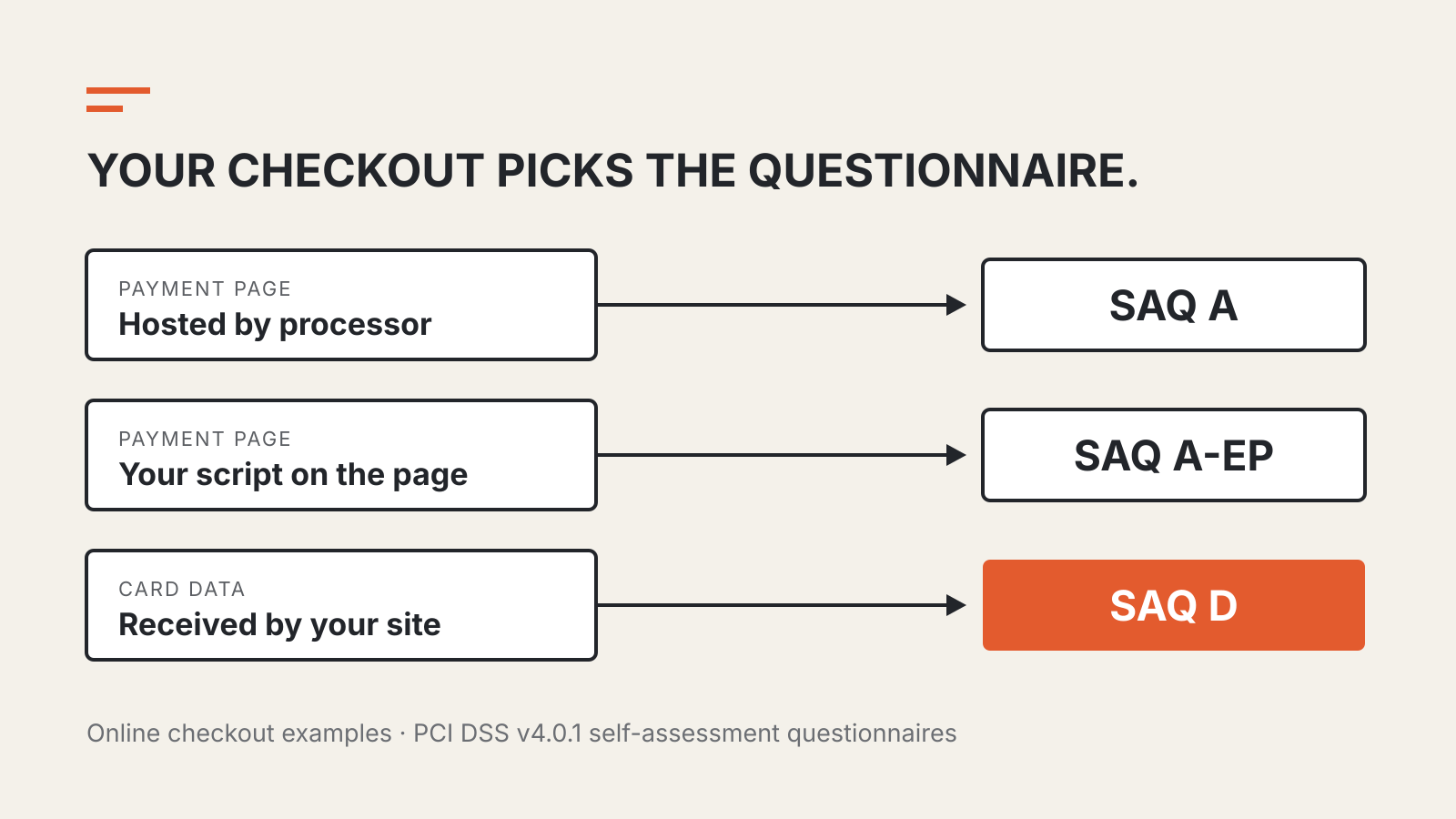
For merchants building or configuring a checkout, the underlying self-assessment scope also depends on how card data moves through the system. Our explainer on PCI SAQ types shows why a hosted payment page and a merchant-controlled checkout create different responsibilities.
What merchants should monitor
Payment operations teams should track authorisations that never settle, reversals that fail to match, incremental authorisation declines and transactions completed after the permitted window. These are not merely back-office metrics. They affect the customer’s available funds and the merchant’s support load.
The useful customer-service view joins the payment timeline: initial authorisation, any increments, reversal, final clearing amount and current issuer response. Without that sequence, an agent may see only the pending amount and give the wrong explanation.
An authorisation hold is therefore best understood as state, not a charge. It reserves spending capacity while a card transaction is unfinished. Good processing closes that state cleanly, either by settling the correct final amount or by reversing what is no longer needed.