
Explainers: card payments
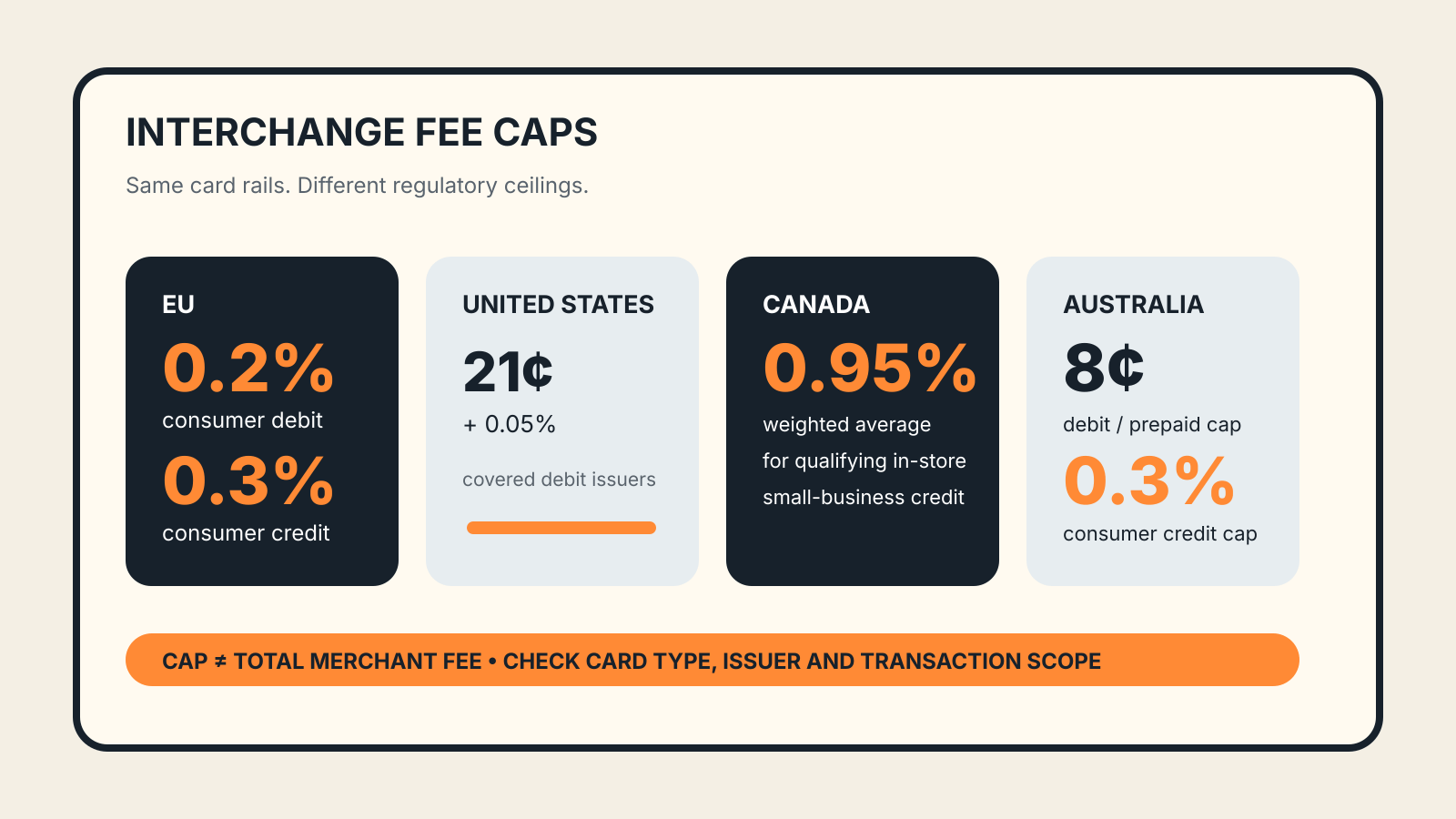
Interchange Fee Caps: EU, US, Canada and Australia
How interchange fee limits differ across the EU, US, Canada and Australia—and why the cap is not the total merchant fee.
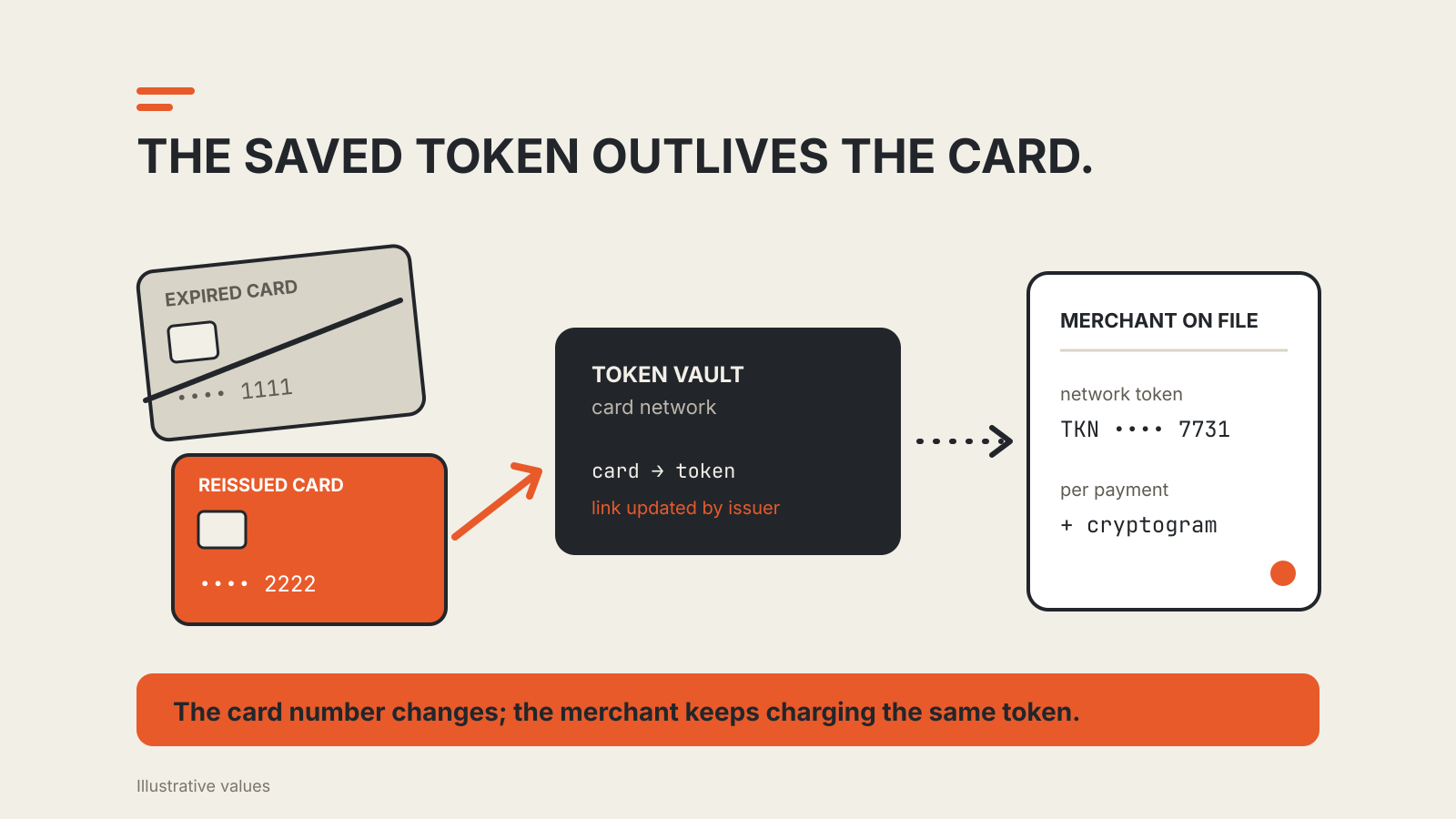
Network Tokenization Explained: Why a Saved Card Keeps Working
How network tokens replace a stored card number, survive a card reissue and what a merchant still has to check.
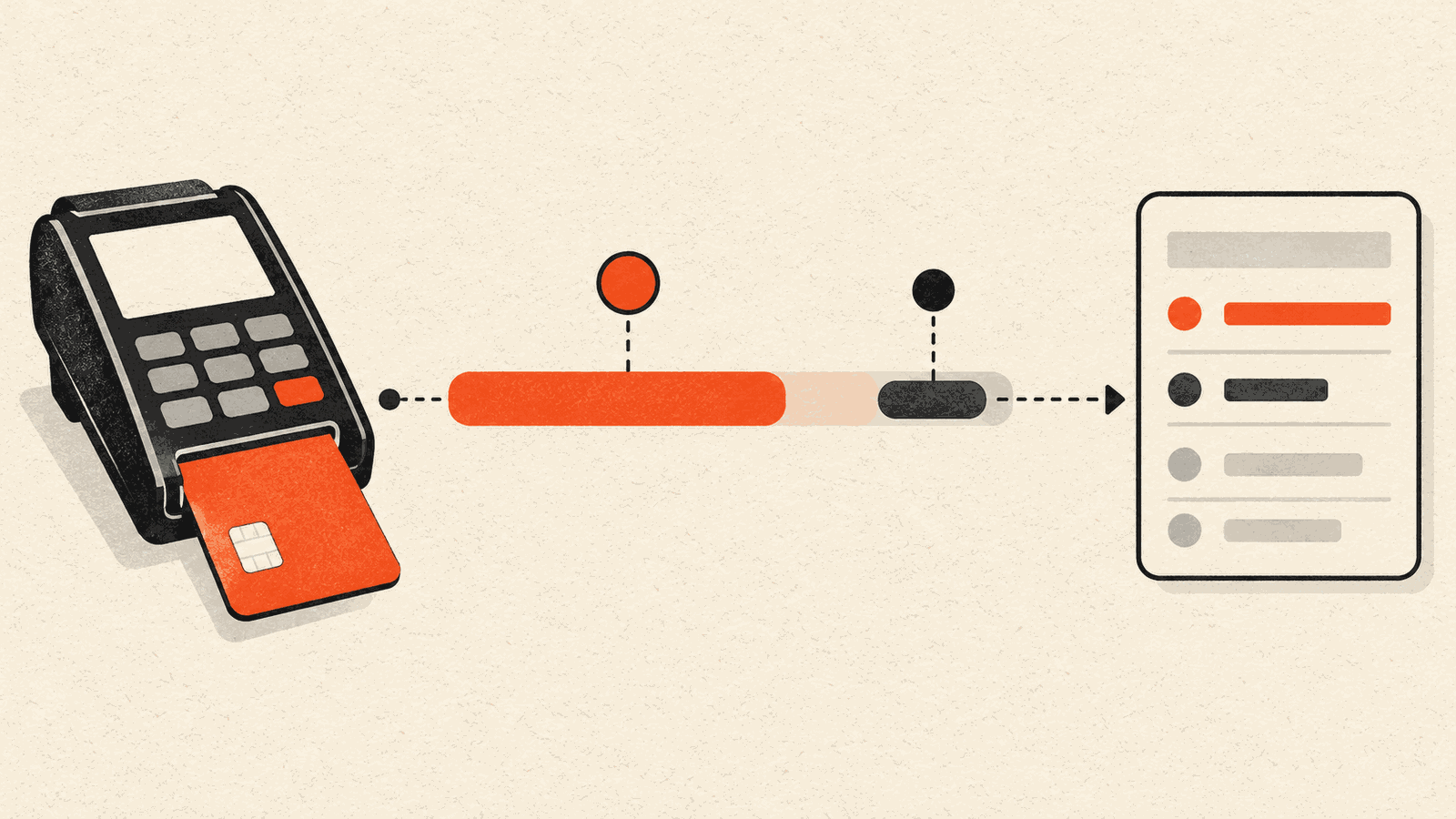
Authorization Hold Explained: Pending Card Charges
Why a card authorization hold reduces available funds, how it becomes a final charge and what reversals do.
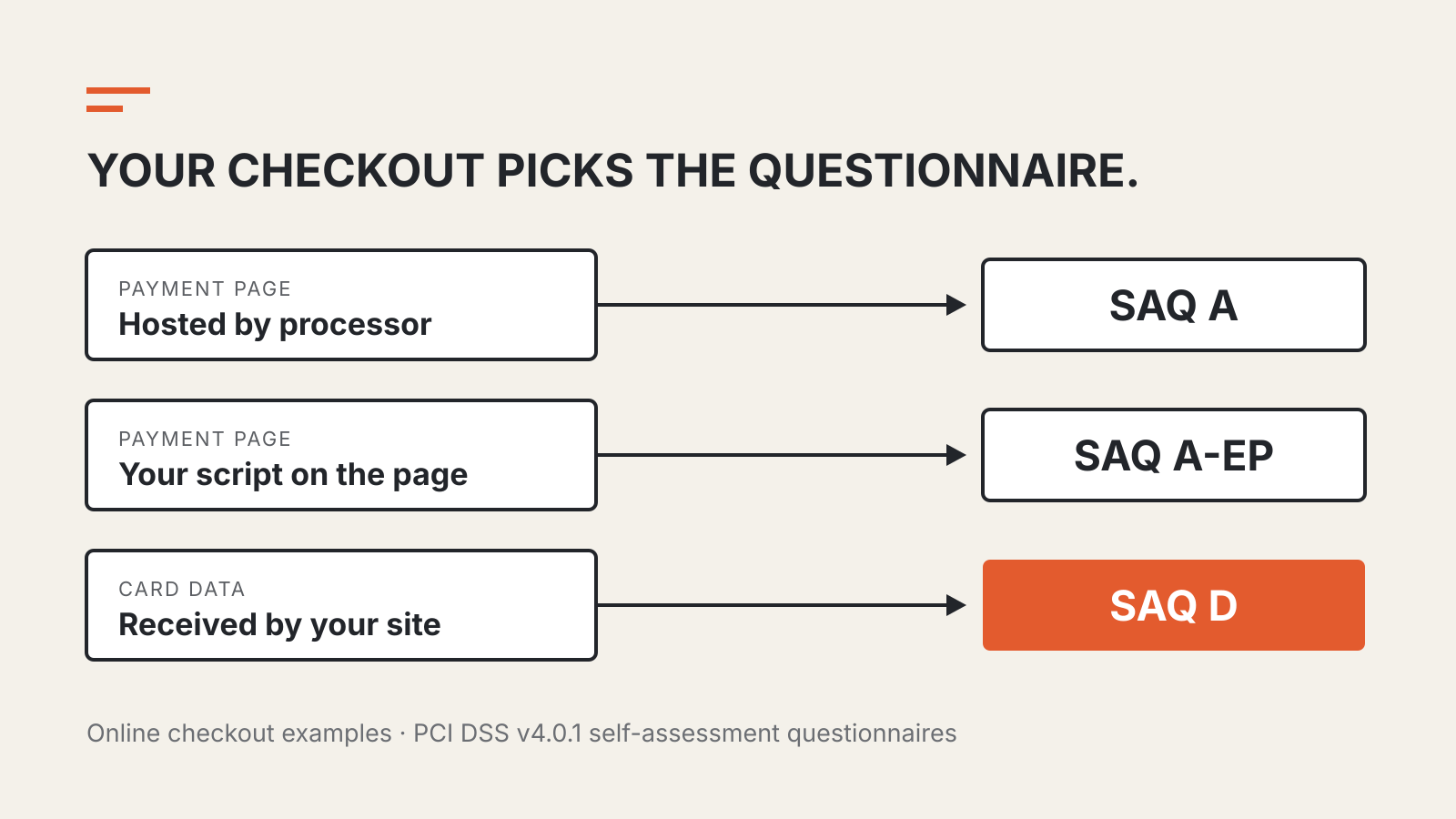
PCI SAQ Types: Which Self-Assessment a Merchant Fills In
Which PCI self-assessment questionnaire fits each way of taking cards, and how checkout design sets SAQ A or A-EP.
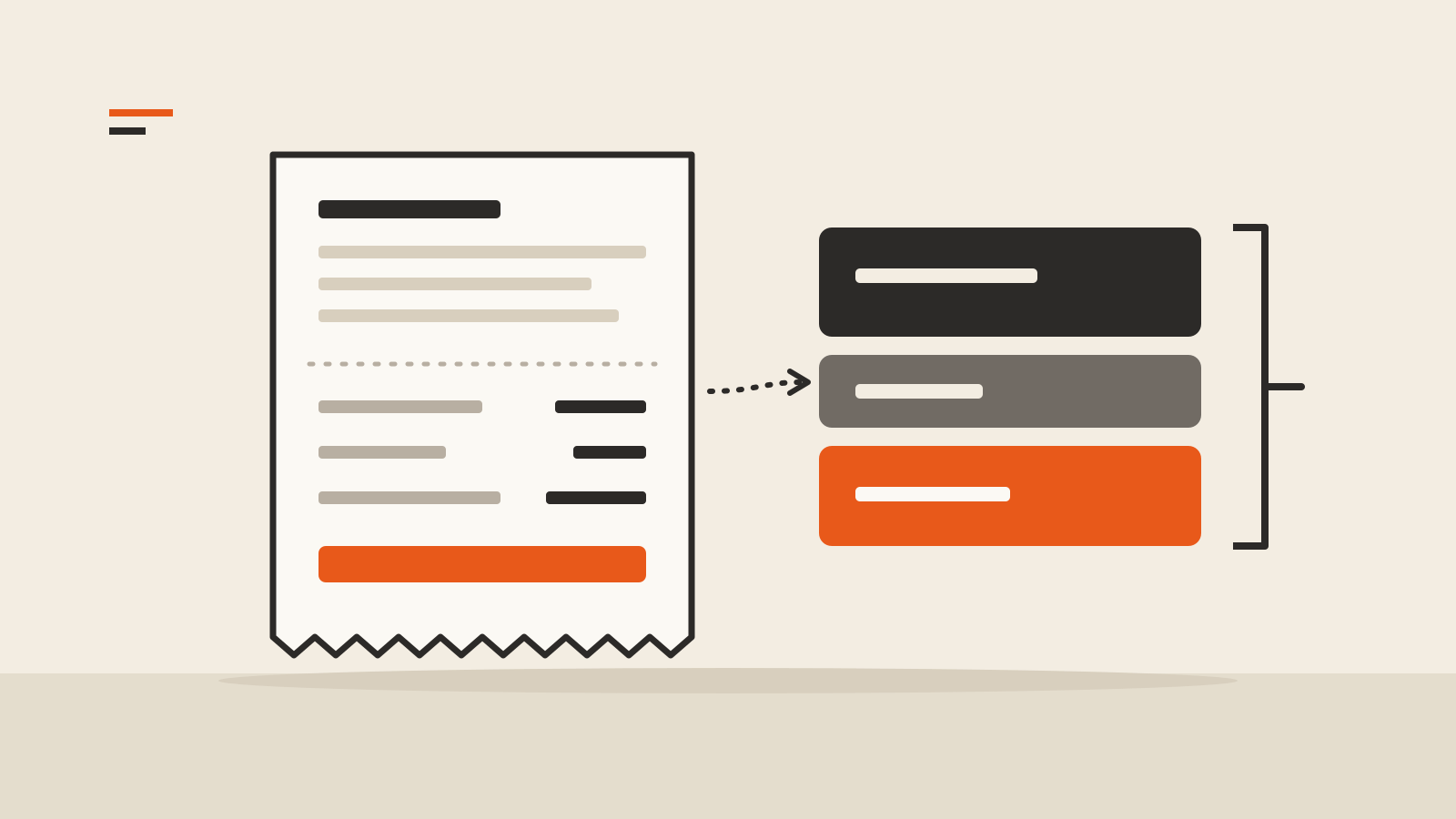
Interchange Fee vs MDR: Which Part of a Card Fee Is Which
The MDR is the whole charge for accepting a card; interchange is the issuer's slice inside it.
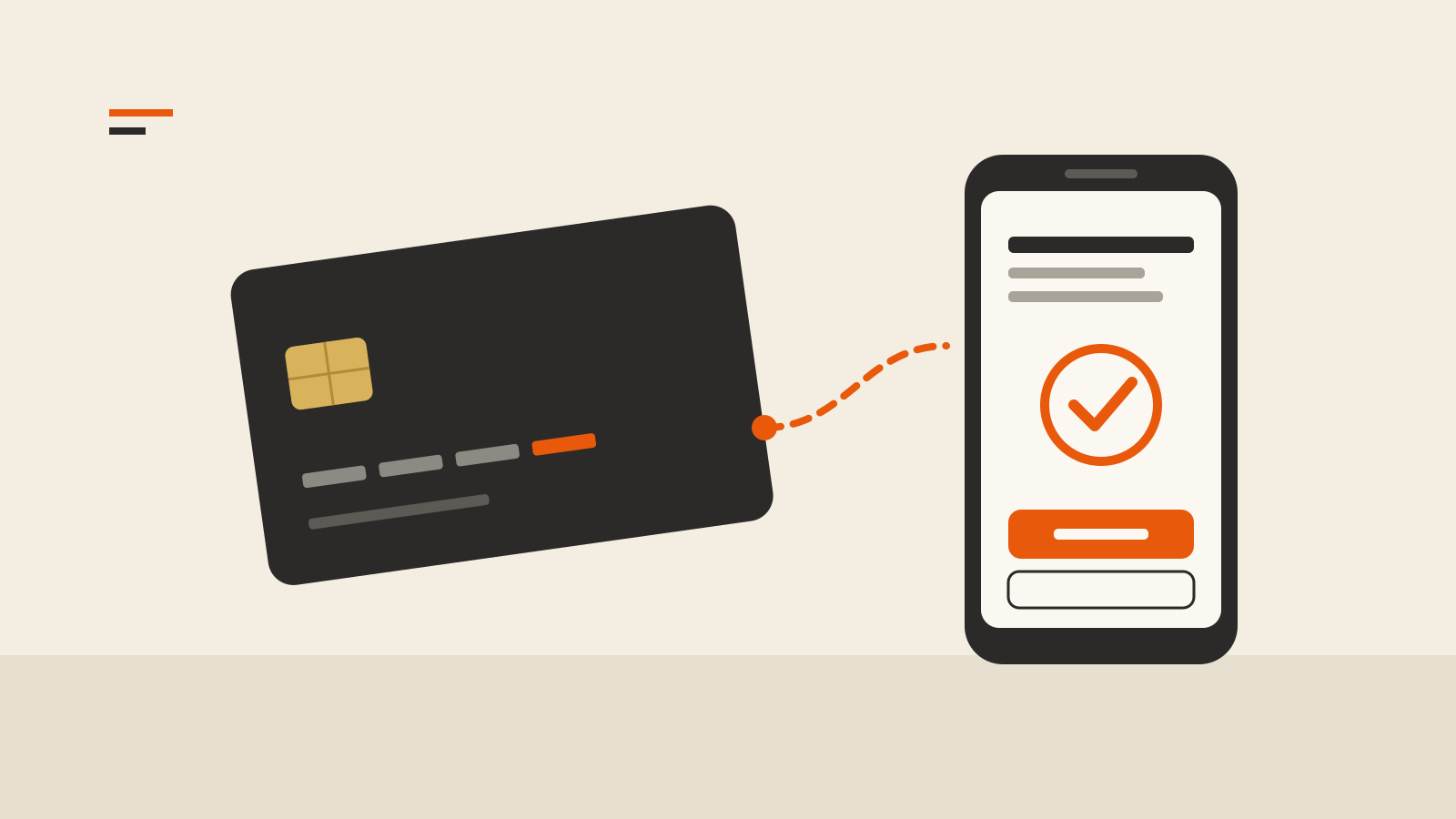
3D Secure Explained: Why Some Card Payments Ask for a Second Step
Why your bank asks you to approve some card payments, when it can skip the step, and who pays for fraud.
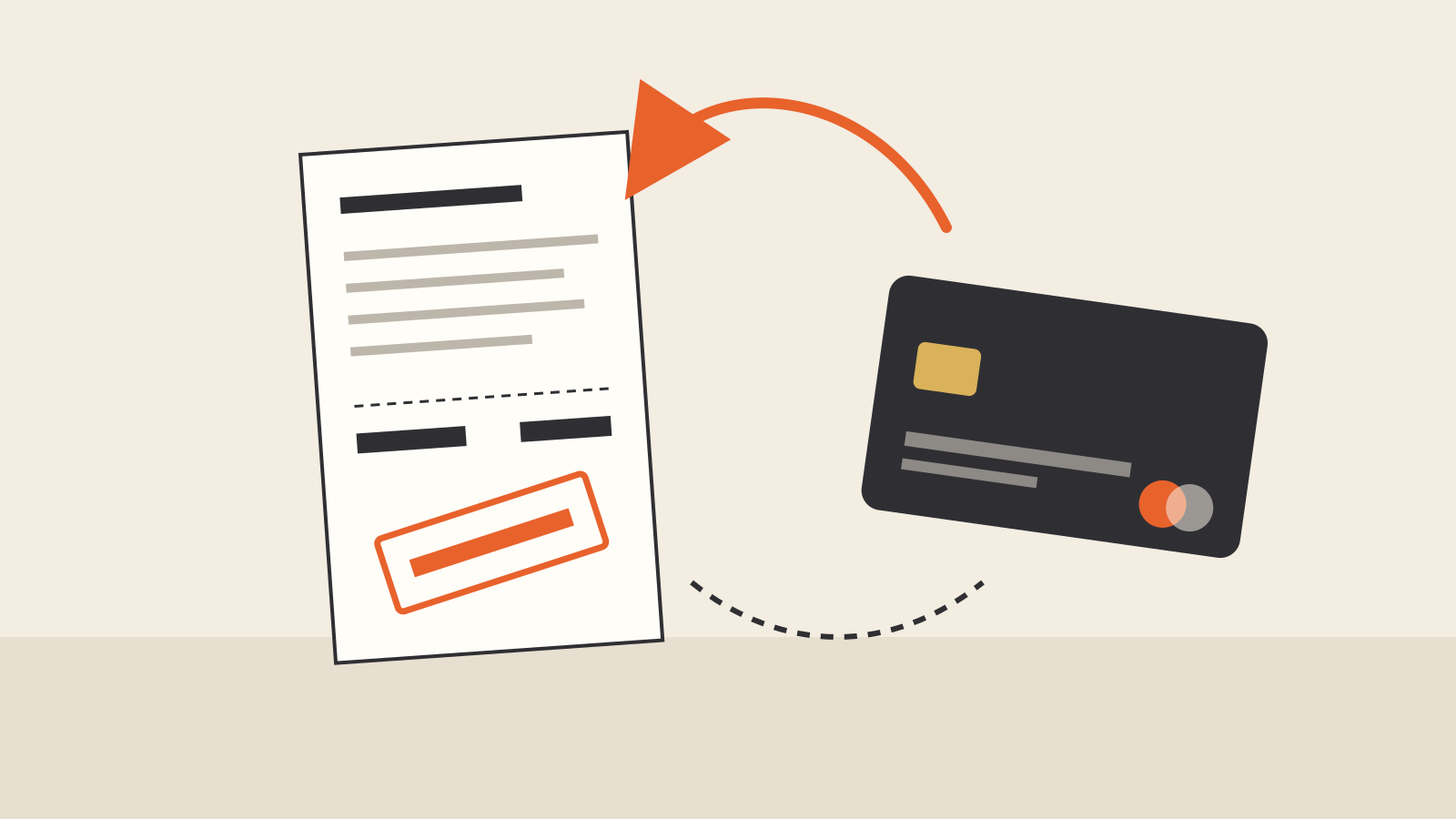
Chargeback Fee: What a Disputed Card Payment Costs a Merchant
What Stripe, PayPal and Square charge per chargeback in 2026, and which fees come back when you win.
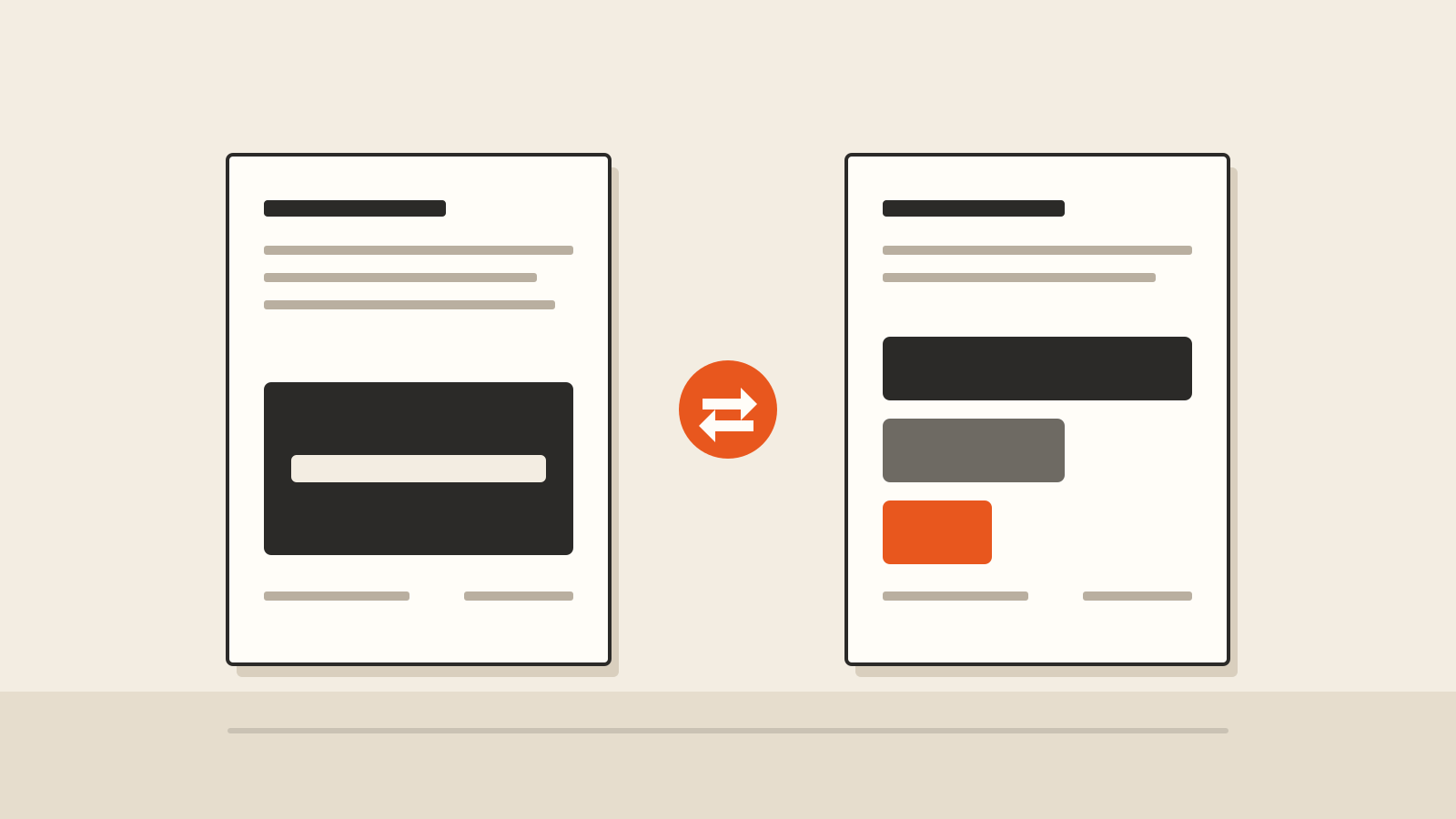
Interchange-Plus vs Flat Rate: Choosing a Card Pricing Model
Interchange plus vs flat rate: one rate for every card, or the real cost of each card plus a markup.
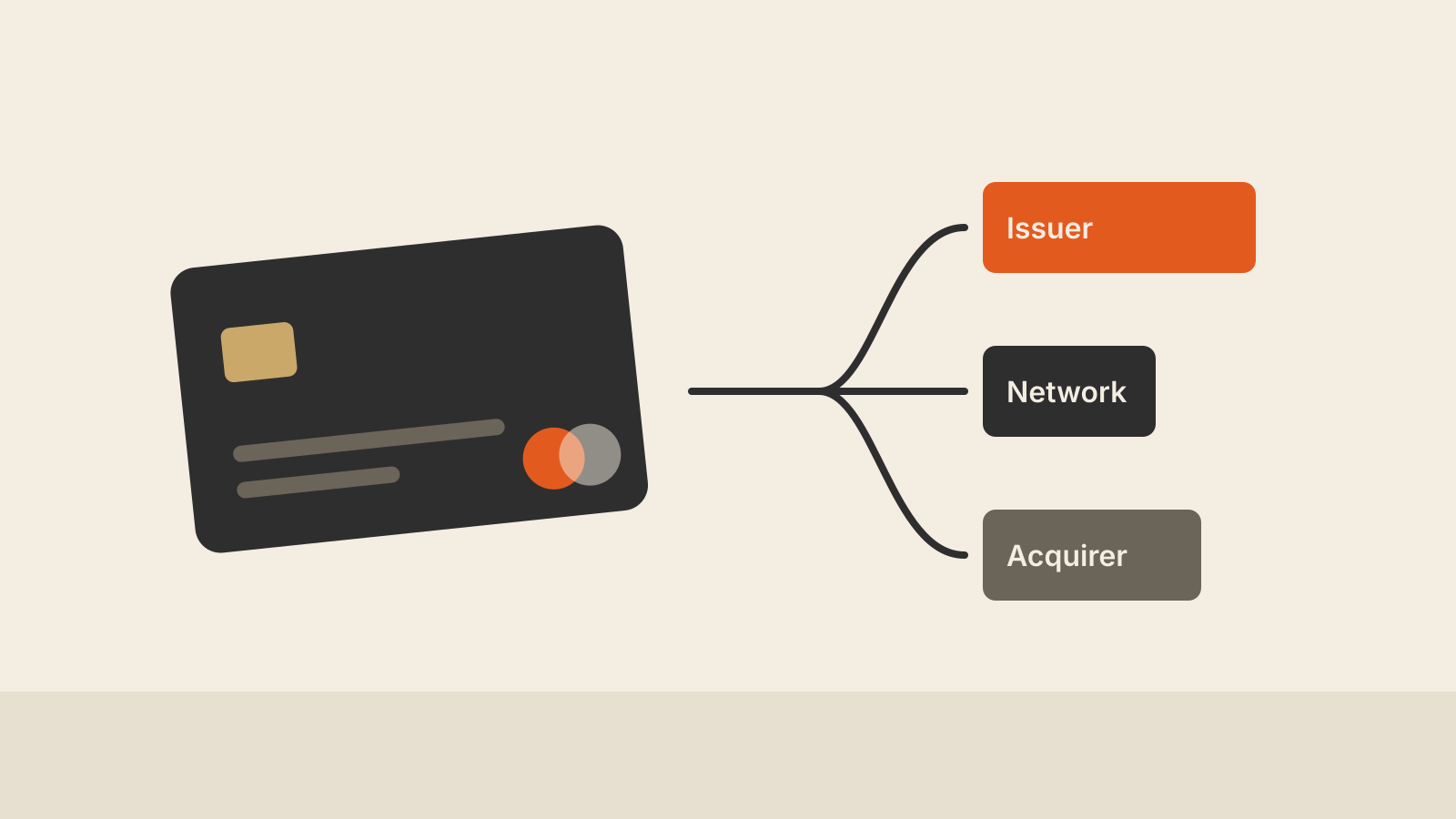
Interchange Fee Explained: Where a Card Payment Fee Goes
Interchange fee explained: one processing fee on the statement, three payments to three different parties.
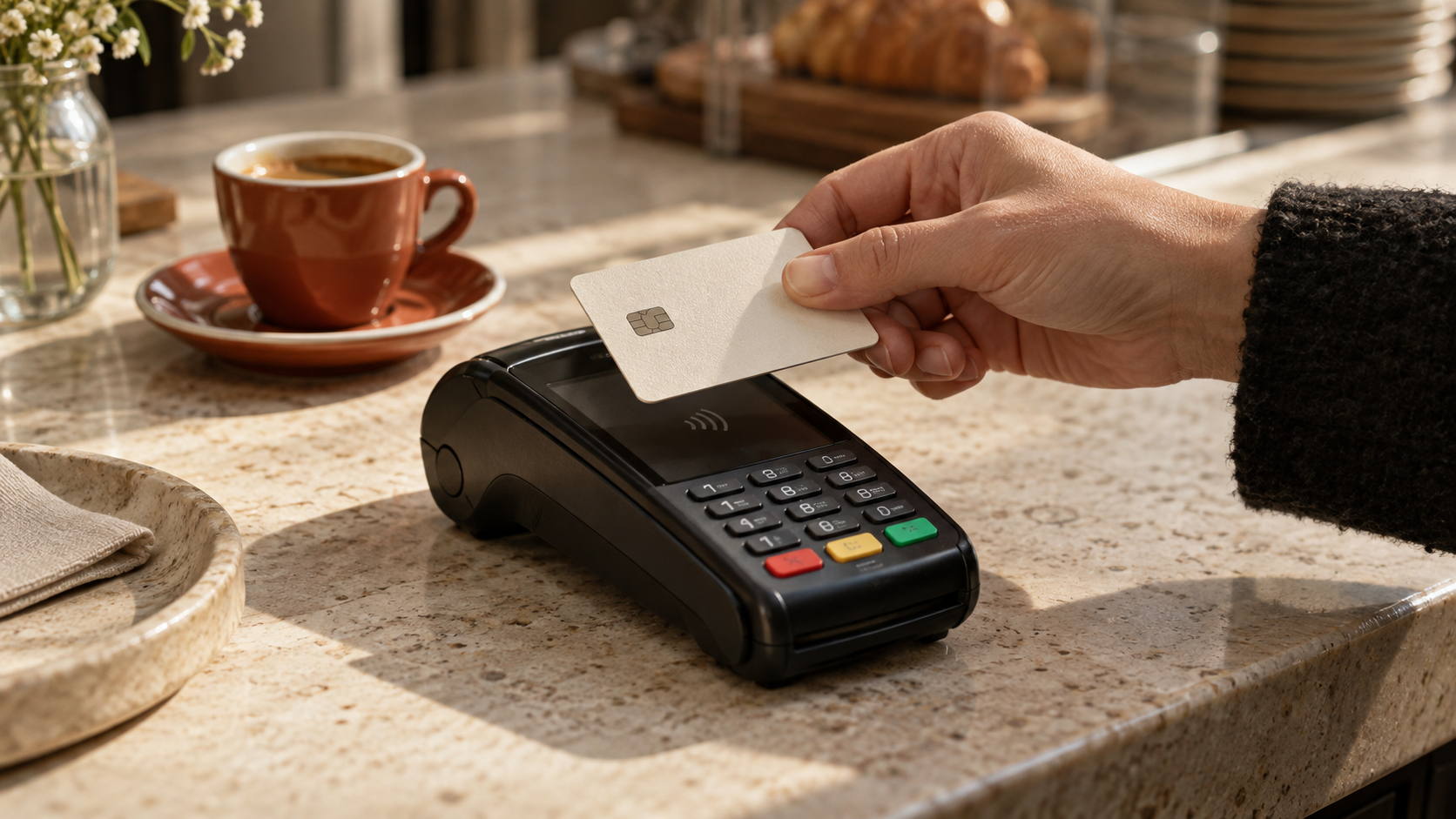
What Happens After You Tap Your Card?
The terminal's approval is one step in a longer journey from a payment request to settled funds.