
The terminal beeps, the receipt prints and you leave with your coffee. On your bank’s side, the payment may still be pending. The shop may not yet have the money in its bank account.
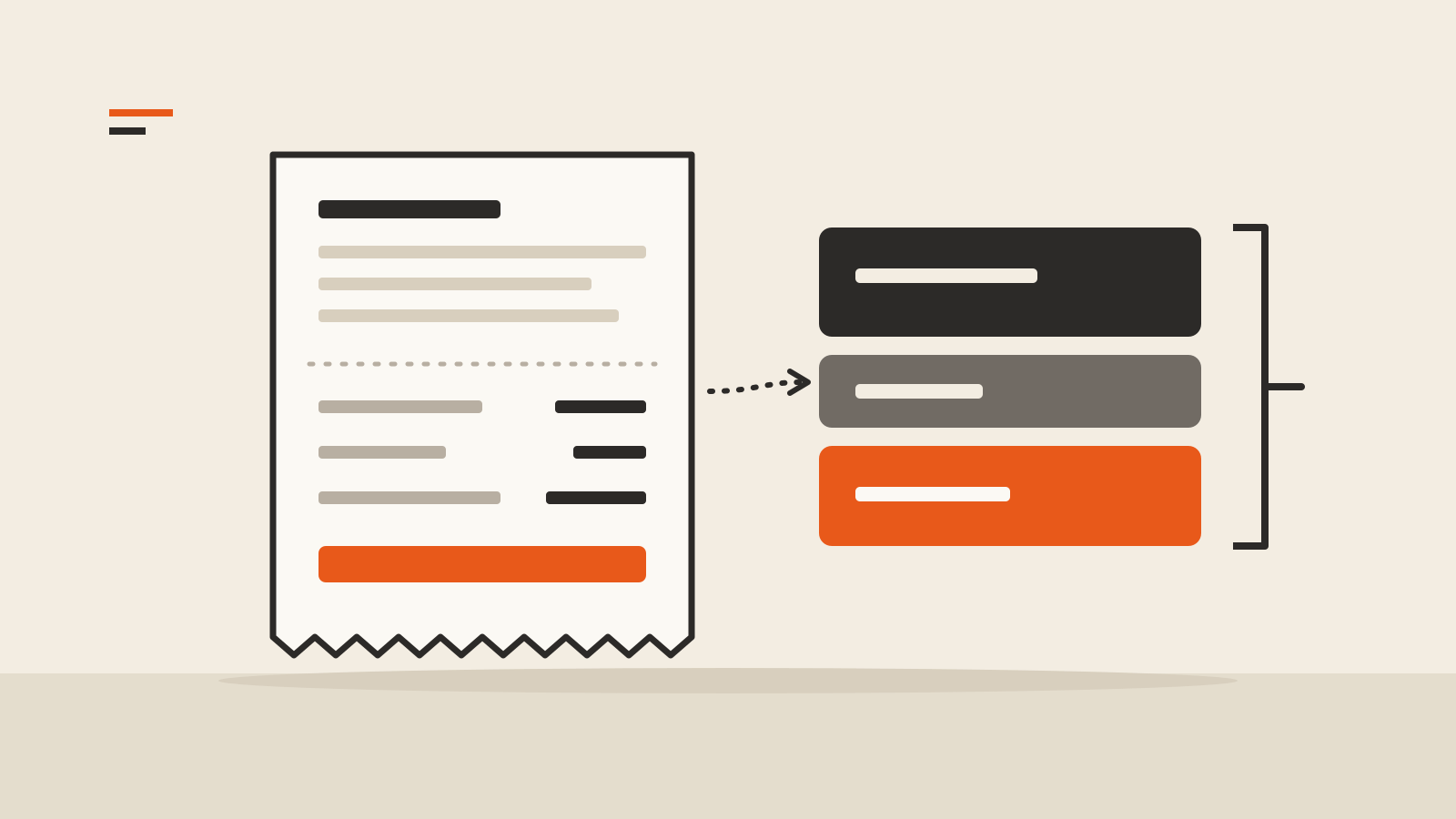
A card payment contains several linked processes. The quick approval at checkout answers a narrower question than “has everyone been paid?” Understanding that difference makes pending charges, changed amounts and delayed refunds less mysterious.
The request reaches the card issuer
The terminal sends a payment request through the merchant’s payment providers. In a typical card transaction, the acquiring side handles the merchant relationship, a card network routes the request and the issuer provides the customer’s card or account.
The issuer checks the request and returns an approval or decline. The checks can include available funds or credit, card status and fraud signals. An approval commonly creates an authorization hold that affects what the customer can spend.
Stripe’s authorization and settlement guide describes these stages and the different roles involved. A single provider can combine several merchant-facing services, so the company printed on a terminal does not necessarily do every job in the chain.
Approval and capture happen at different moments
Authorization gives the merchant permission to proceed within the applicable rules. Capture tells the payment system to move the approved transaction toward collection.
For a simple shop purchase, those steps can appear almost simultaneous. Other businesses have a reason to separate them. A hotel may authorize an amount before the final bill is known. An online shop may wait until goods are ready to ship.
That is why the pending amount can differ from the final amount. It is also why a canceled order may leave a temporary hold even when no completed charge appears. Exact timing depends on the provider, issuer, payment method and transaction rules; there is no single release time that applies to every card.
Clearing reconciles the records
After capture, the parties need to exchange transaction details and determine the financial obligations between them. This is the clearing stage.
Settlement is the transfer that fulfills those obligations. Stripe’s explanation of clearing and settlement distinguishes checking and reconciling the records from moving the funds.
A merchant’s payout schedule adds another layer. The provider may receive settled funds before sending a payout to the merchant’s bank. Fees, reserves, weekends and account conditions can affect the amount or timing. A successful checkout does not promise that the merchant receives the full ticket price that afternoon. Our guide to interchange and other card fees shows which parties those fees go to.
Refunds start a separate journey
A refund is not the original payment running backward instantaneously. The merchant or provider initiates a new process that must reach the issuer and appear in the customer’s account.
An authorization reversal can release a hold before the original transaction is captured. A refund addresses an already captured payment. A dispute or chargeback follows another set of processes. The screen may call all of them a “return,” but their effects and timing differ.
If a charge looks wrong, save the receipt and compare the amount, currency and merchant descriptor. Contact the merchant or card provider through a trusted channel. Do not assume that two visible entries represent two settled purchases when one may be a temporary hold.
What this changes at checkout
For a customer, “approved” means the checkout has accepted the payment request; the account record may still evolve. For a merchant, sales, settled transactions and bank payouts are related but different reports.
This distinction also explains why faster messaging alone does not make every payment instant. Our guide to cross-border transfer delays follows the same gap between a payment instruction and money becoming available.