An online shop ships an $80 order. Six weeks later the payment provider sends an email: the customer’s bank has opened a dispute, the $80 is gone from the shop’s balance, and a chargeback fee has been taken on top. The owner now has to decide, within days, whether to fight it. To make that call, it helps to know what a chargeback actually costs, because the fee is only one part of it.
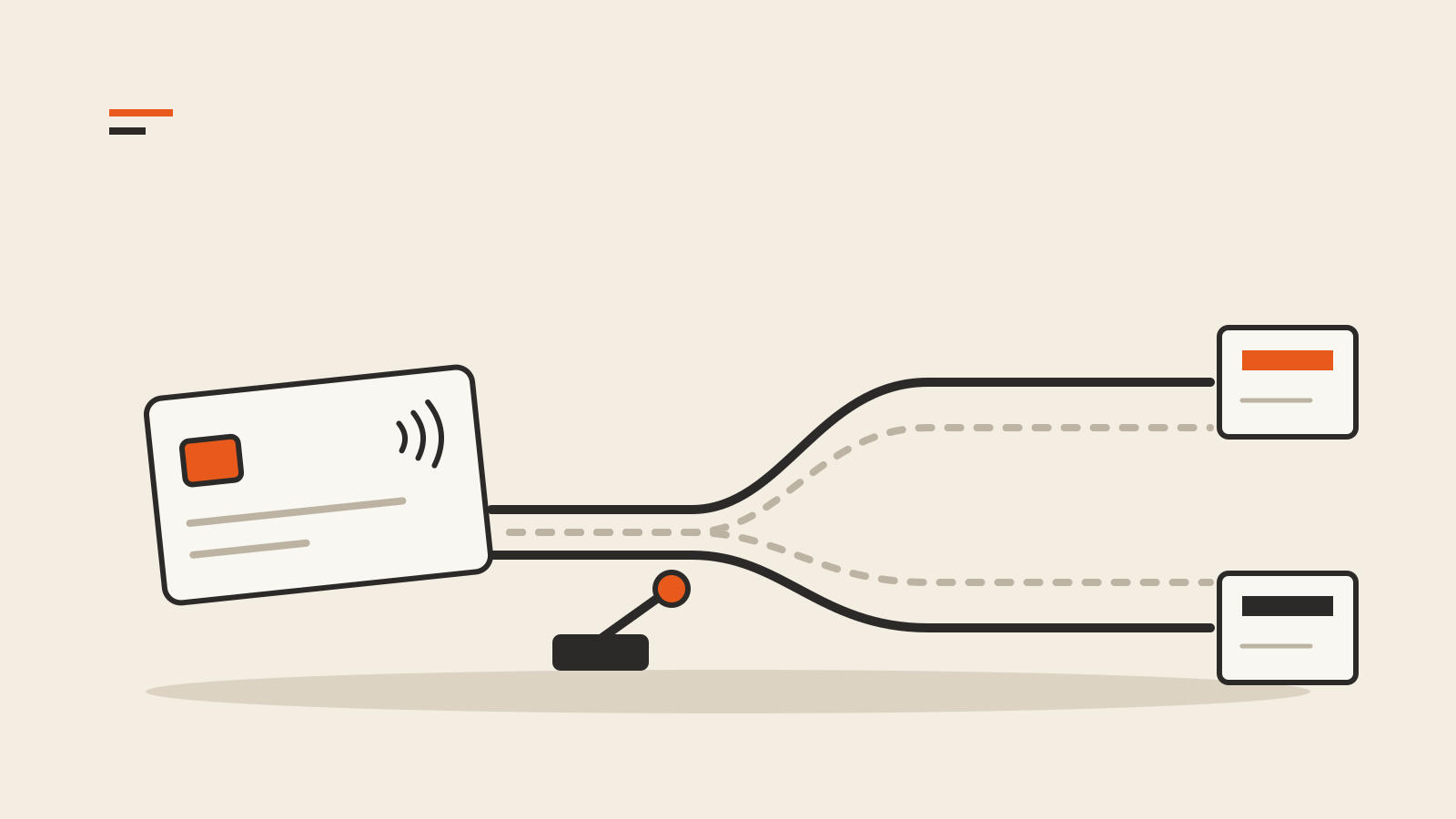
A chargeback is the card issuer’s reversal of a payment after the cardholder disputes it. The money goes back to the cardholder first, and the merchant argues afterwards. Stripe’s guide to how disputes work describes the order: Stripe notifies you, “debits the disputed amount, plus a dispute fee” from your account, and then walks you through submitting evidence. The decision belongs to the cardholder’s bank, not to the payment provider.
The four parts of the cost
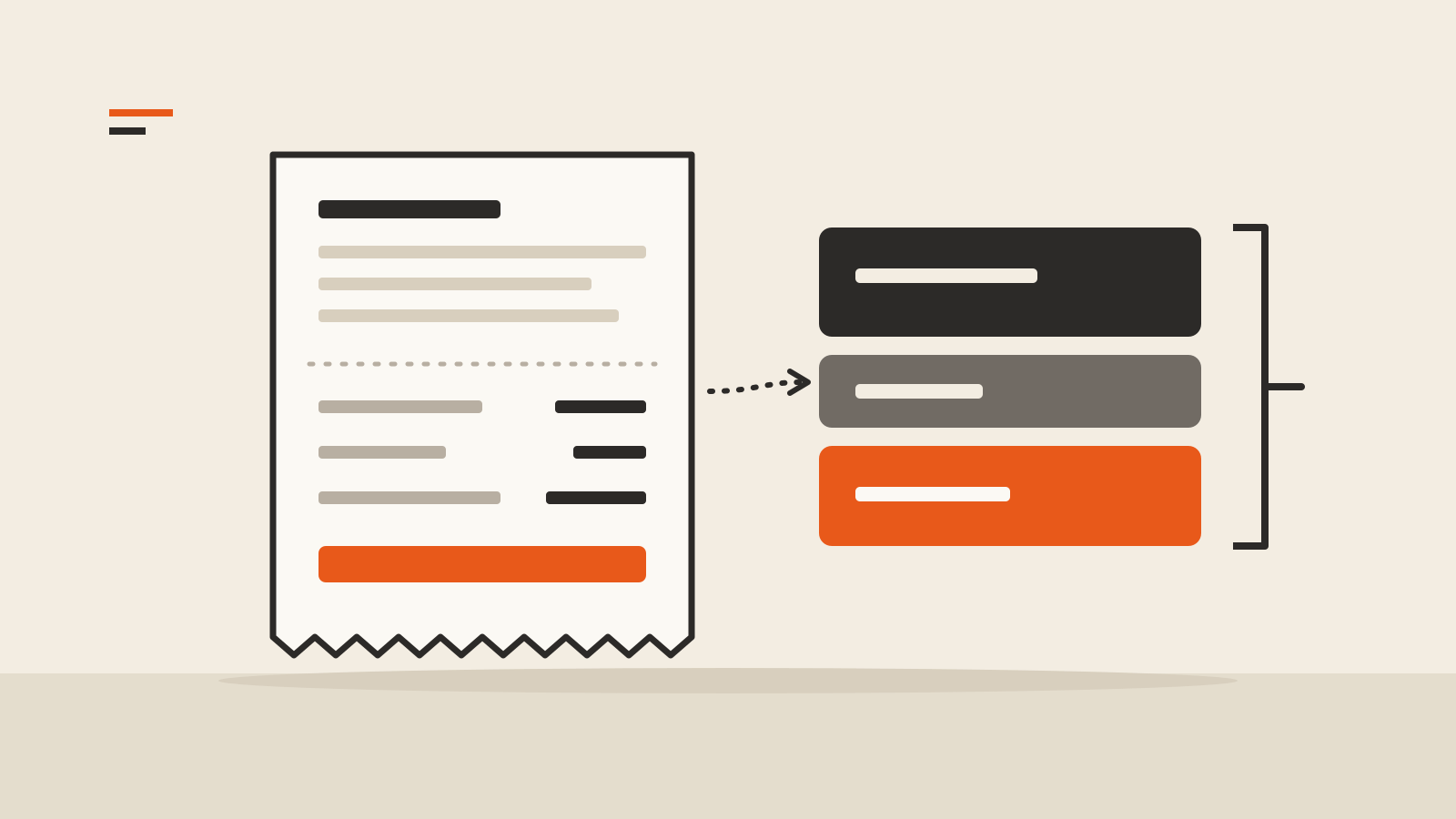
A lost chargeback can take four things from a merchant:
- The sale itself. The disputed amount is pulled back. If you already shipped the goods, you lose those too, unless you can recover them.
- The dispute fee. A flat charge from your payment provider for handling the case. Some providers charge a second fee if you contest.
- The original processing fee. On a lost dispute, the fee you paid to accept the payment usually stays with the provider. Square’s disputes guide says so directly: if the case goes to the customer, “the processing fees for the payment aren’t refunded back to you.”
- Your dispute record. Card networks and providers track how many disputes you receive. Too many lead to higher fees, stricter terms or monitoring programs, whatever the outcome of each case.
The first three show up on the next statement. The fourth builds slowly and is easy to miss until it costs more than all the individual fees together.
What Stripe, PayPal and Square charge
The three providers handle the fee in quite different ways. All figures below are for US accounts, from each company’s own pages.
Stripe charges two fees. Its pricing page lists a $15.00 “dispute received fee” for each dispute and a $15.00 “dispute countered fee” for each dispute you respond to manually. Stripe returns the countered fee if you win. The received fee stays: according to Stripe’s dispute documentation, outside Mexico “the fee for receiving a dispute is non-refundable,” whether you win, lose or accept. Stripe also offers Smart Disputes, which prepares evidence for you and charges 30% of the disputed amount on each dispute you win.
PayPal charges a dispute fee when a buyer files a claim or chargeback on a transaction processed through a PayPal account or PayPal checkout. Its merchant fees page sets the Standard Dispute Fee at $15.00 (£12.00 or €14.00 for those currencies) and the High Volume Dispute Fee at $30.00. PayPal’s help page on dispute rates explains the line between them: a seller with more than 100 sales in the previous three full months and a dispute rate of 1.5% or more pays the higher fee. A seller who wins on appeal gets the standard fee back; the high volume fee is not reimbursed.
Square does not charge a dispute fee. Its fees page lists “Chargebacks and Dispute management” among the services with no fees. Square still holds the disputed amount as soon as the bank raises the case, and it keeps the processing fee if you lose. If you win, Square says it releases the funds “including the processing fees.”
The same $80 dispute, three ways
Take the $80 order from the start and assume the shop is on Stripe’s standard US pricing:
- Accept the dispute: the shop loses the $80 sale and the $15 received fee, so $95 plus the goods.
- Contest and lose: $80 plus $15 received plus $15 countered, so $110 plus the goods.
- Contest and win: the $80 comes back and so does the $15 countered fee. The shop is still $15 down, the received fee.
On PayPal at the standard rate, the same order costs the $80 plus the $15 dispute fee if the buyer wins, and only the time spent if the seller wins on appeal. On Square, there is no dispute fee in any of the three cases, but the processing fee on the sale is lost if the dispute is.
Two things follow. First, on Stripe a $15 fee is due on every dispute, so on small orders the fee can be a large share of the sale. Second, a product like Smart Disputes is priced on the order value: at 30%, winning an $80 dispute costs $24, more than the $15 countered fee for a manual response. For a cheap order, writing the response yourself may be the better deal.
Deadlines that decide many cases
Missing a deadline is the most expensive mistake, because it loses the case automatically. Stripe’s guide to responding says the window is “usually 7 to 21 days, depending on the card network,” and that without a response “you automatically lose the dispute.” Square gives sellers a “seven-day window” to send their information in its document request guide. PayPal says high volume sellers may have to respond within 3 days instead of the standard 10.
After you respond, it takes time. Stripe says the issuer usually has 60 to 75 days to decide, and the whole process “can take 2-3 months.” The disputed money is held for that period, which matters more to a small business’s cash flow than the fee does.
Why a won dispute still counts
Winning gets your money back, but it does not erase the dispute. Stripe’s evidence best practices put it plainly: card networks “don’t consider how many disputes you win or lose, only how many you receive,” and “a withdrawn dispute still counts as a dispute.”
Those counts feed monitoring. Visa’s Acquirer Monitoring Program fact sheet measures card-not-present fraud reports and disputes against settled transactions each month. A merchant in the US, Canada, the EU or Asia Pacific is flagged as Excessive when that ratio reaches 150 basis points (1.5%) and the monthly count of fraud reports and disputes reaches 1,500; the threshold was lowered from 220 basis points on April 1, 2026. Merchants above it must put risk controls in place through their acquirer. The count minimum means the program mostly reaches large merchants, but smaller sellers meet the same idea at provider level. PayPal’s high volume tier, for example, starts at a 1.5% dispute rate, and PayPal’s fee page says it may raise the percentage part of transaction fees by up to 5.00% with 30 days’ notice for accounts with a disproportionately high number of chargebacks.
Cheaper than a chargeback: stopping it early
Some disputes can be headed off before they become chargebacks.
Answer inquiries. Some networks, most often American Express and Discover, send an inquiry before a formal dispute. Stripe says you can resolve one “without incurring a dispute fee” by answering it or issuing a full refund. Ignoring it can lead to a chargeback that is “likely unwinnable.”
Weigh refunds on fraud warnings. Issuers on Visa, Mastercard and JCB send early fraud warnings on payments they suspect. Stripe’s dispute guide says that if you do not refund the charge, about 40% of Visa and Mastercard early fraud warnings become fraud disputes, with the rate varying by network and amount; a payment covered by a liability shift such as 3D Secure can still be disputed, but Stripe then supplies the authentication data as evidence. Stripe suggests refunding flagged charges that are roughly equal to or below your dispute fee, and says refunding is likely not worthwhile on charges more than 35% above it. On Stripe’s $15 fee, that points to refunding flagged orders up to about $15 and fighting larger ones.
Make the charge recognizable. Many inquiries start because the cardholder does not recognize the statement description. A clear business name on the statement and a reachable support address cost nothing and remove one common cause.
Chargeback, refund or dispute: which is which
Shoppers and merchants use these words loosely, but they describe different steps.
- A refund is the merchant’s own decision to send money back. It costs the merchant the sale, but it does not count as a dispute.
- A dispute is the cardholder’s claim to their bank that a payment was wrong, unauthorized or not delivered as promised.
- A chargeback is what the bank does with a formal dispute: it pulls the money back through the card network. Stripe’s guide says that when a cardholder “files a formal dispute,” it “initiates a chargeback,” and the funds are held for the whole case.
Once a chargeback is open, the two routes no longer mix. Stripe says that while a dispute is open “you can’t issue a refund outside the dispute process,” so a merchant who wants to settle has to accept the dispute instead. A refund sent before the bank opens a case is the cheaper outcome for both sides.
The time limits run on the cardholder’s side too. Stripe says card networks “typically allow cardholders to initiate disputes within 120 days of the original payment,” with longer windows in some situations. For a ticket, a booking or another service paid in advance, the window generally starts on the date of the event or service, not the payment date, which is why travel and event sellers can see disputes months after the sale.
The fee is the visible part of a chargeback, but the full cost includes the sale, the time, and a dispute count that follows the account. To see what the standard processing fee itself adds to each payment before any dispute, use our payment fee calculator, and for how that processing fee splits between banks and networks, see our explainer on the interchange fee.