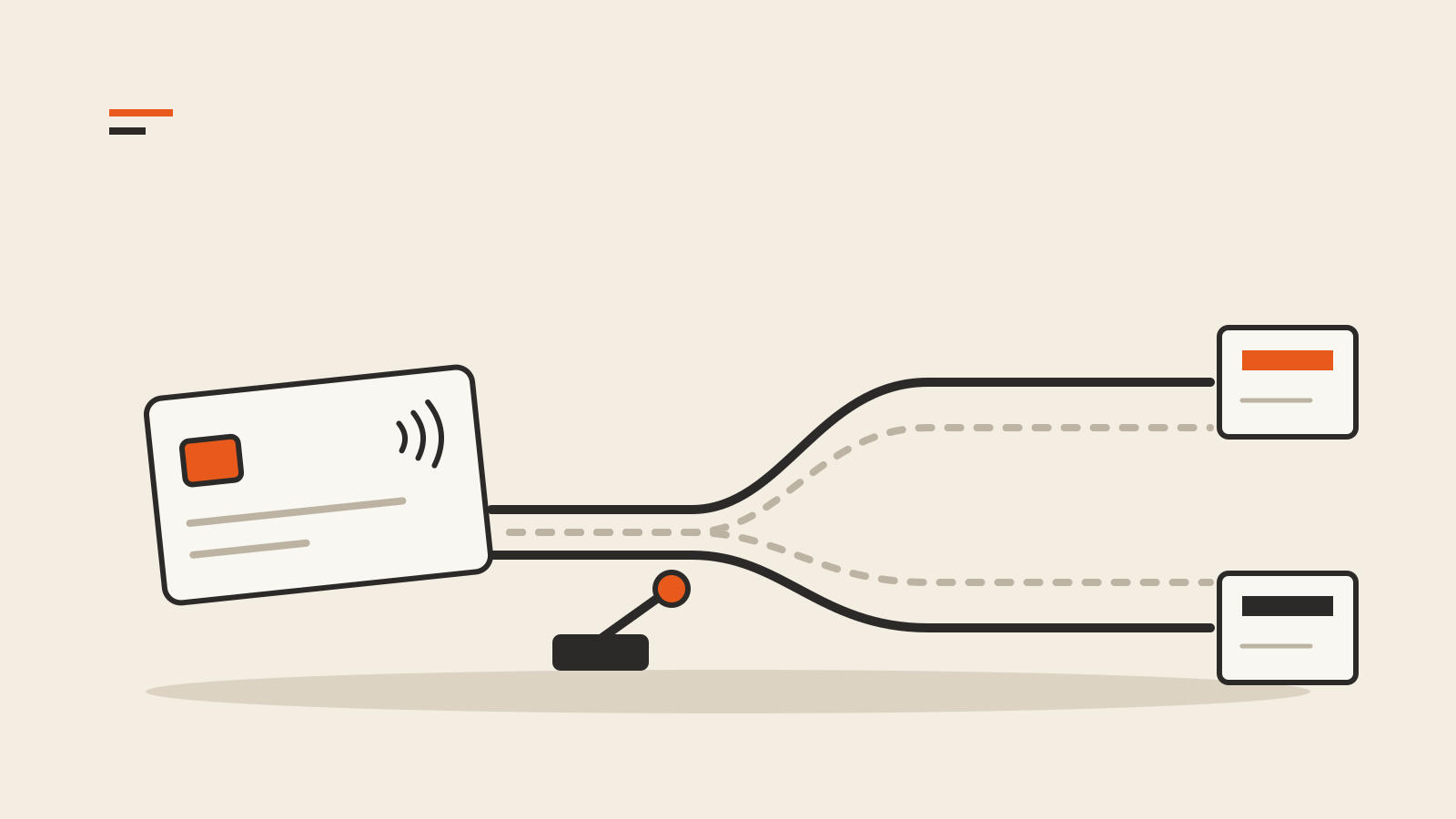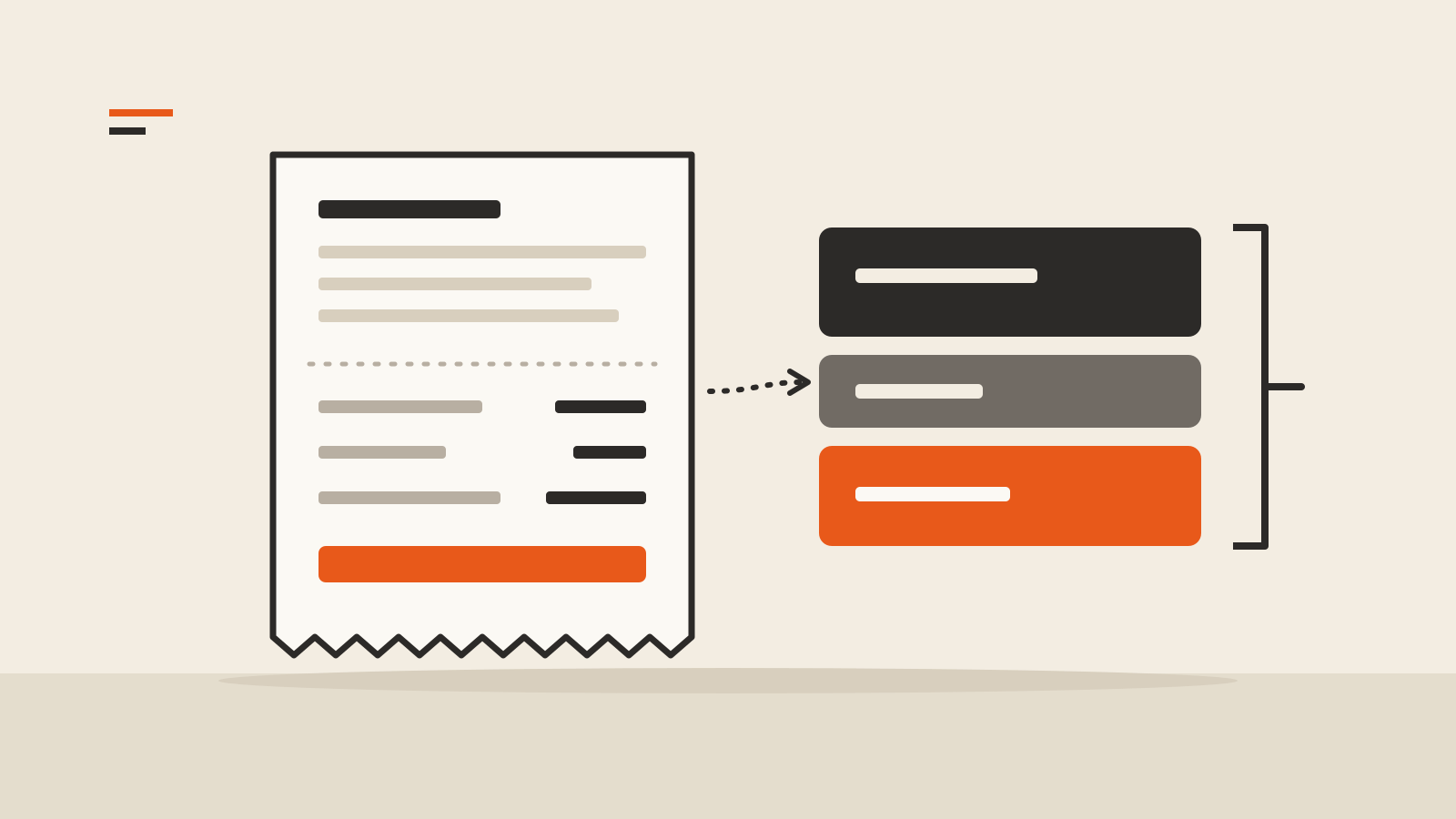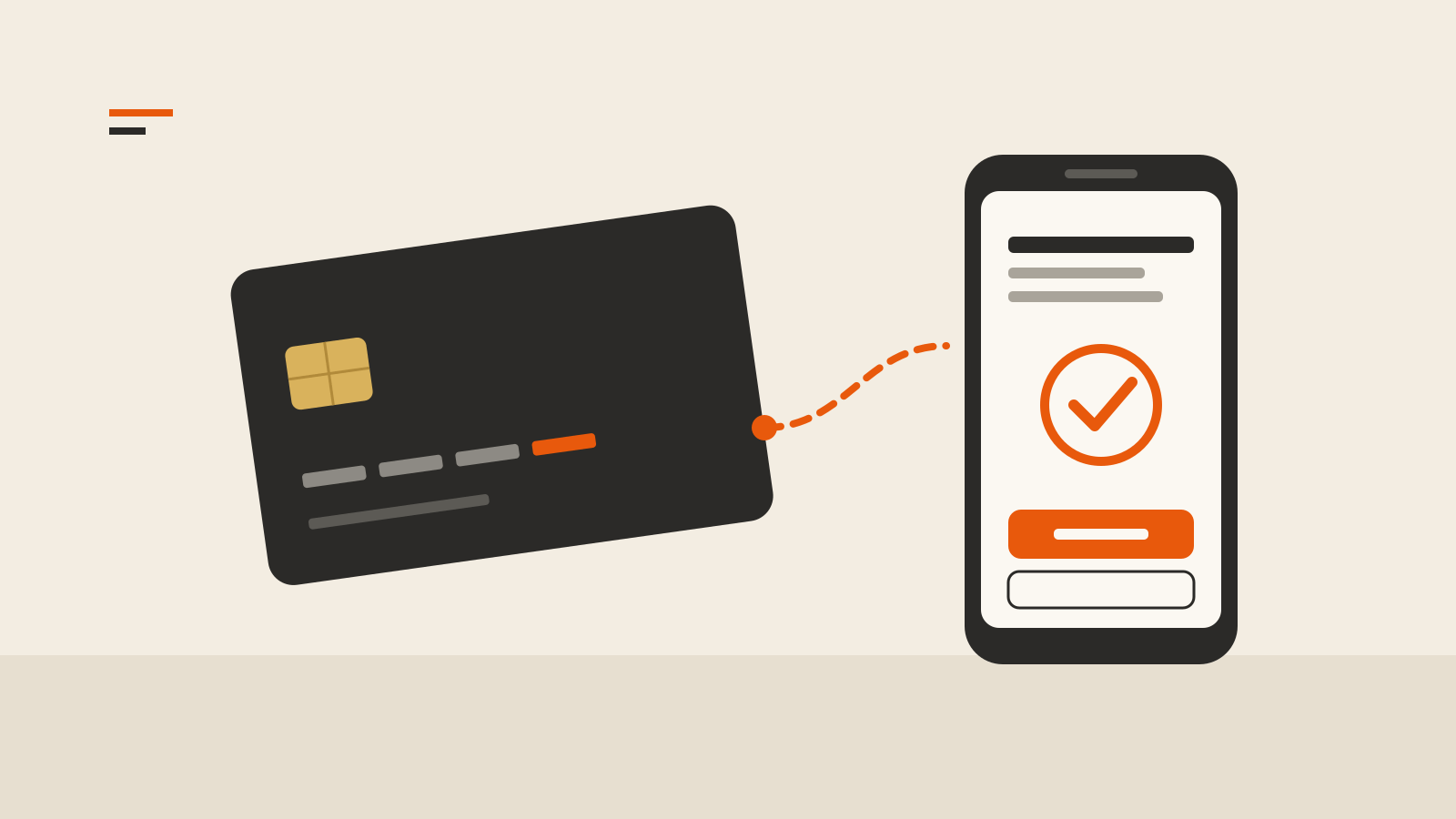
A café owner sells a $6 coffee, the customer taps a card, and a few days later slightly less than $6 arrives in the café’s bank account. The statement shows one processing fee. That single line is the interchange fee explained in miniature: behind it sit three separate payments to three different parties, and only one of them is set by the café’s payment provider.
Knowing which part is which helps when comparing quotes, reading a monthly statement or wondering why two card payments of the same size cost different amounts.
Three parties, three fees
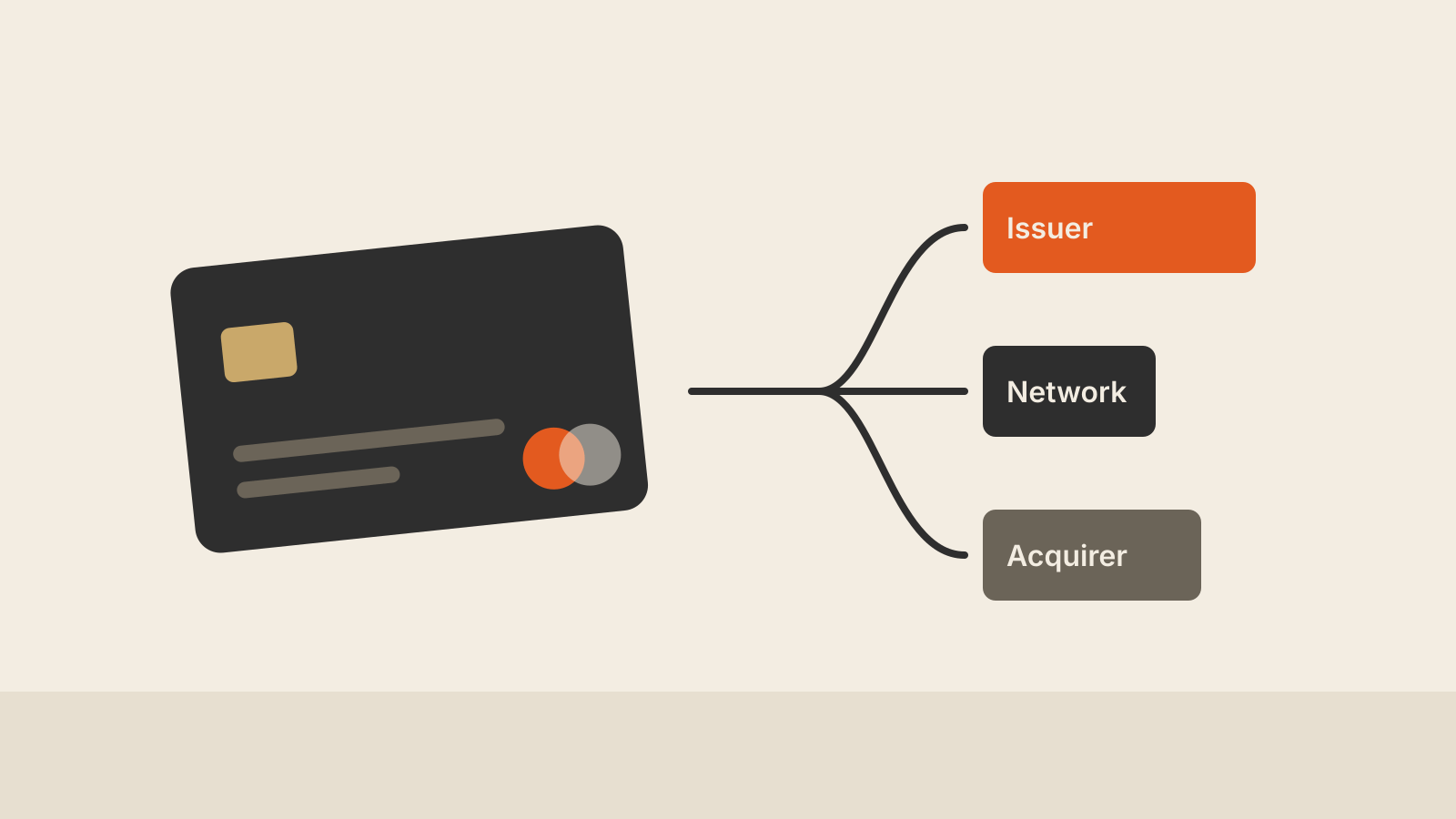
When a card payment goes through, money and messages pass between the merchant’s acquirer (the provider that accepts payments for the business), the card network such as Visa or Mastercard, and the issuer, the bank that gave the customer the card. Our guide to what happens after you tap your card follows that route step by step.
Adyen’s help page on Interchange++ pricing breaks the cost of a card transaction into the same three parts:
- Interchange, which goes to the bank that issued the card.
- The scheme fee, which goes to the card network.
- The acquirer fee or markup, which the payment provider keeps.
Visa describes interchange as a transfer fee between acquiring banks and issuing banks. Its merchant fees page adds a detail that often surprises business owners: merchants do not pay interchange to Visa or to the issuer directly. They pay a “merchant discount” to their own financial institution, usually a percentage of each sale, and interchange is paid out of that.
Why the same sale can cost different amounts
Interchange is not one rate. Adyen lists the variables that move it: the card level (a standard card, a premium card or a commercial card), the country or region of both the merchant and the issuer, the merchant’s business category, and whether the payment was made in person or online. Scheme fees vary on similar lines.
So a $50 sale on a basic debit card and a $50 sale on a premium credit card can carry different costs, even at the same checkout on the same day. A payment where the card was issued abroad can differ again.
The networks publish their rate tables. Visa offers its US interchange reimbursement fee schedule for download on the page linked above, which is the place to check a specific card category instead of relying on an average.
Where regulators cap interchange
Some of these numbers are set by law rather than by the networks alone.
In the European Union, Regulation (EU) 2015/751 caps interchange on consumer cards. Article 3 limits it to 0.2% of the transaction value for debit cards, and Article 4 to 0.3% for credit cards. Member states may set lower caps for domestic payments. On a €100 purchase with a consumer credit card, the interchange part may therefore be no more than €0.30. The merchant’s total fee will be higher, because scheme fees and the acquirer’s markup sit on top.
In the United States, the Federal Reserve’s Regulation II covers debit cards. It requires interchange received by large debit issuers to be reasonable and proportional to the issuer’s costs, with a cap made of a fixed amount, a percentage of the transaction and an optional fraud-prevention adjustment. Small issuers are exempt, so a debit card from a smaller bank or credit union can carry a different rate. The Board proposed in October 2023 to lower the cap and update it every two years, so check the Fed’s Regulation II page for the figures that currently apply. Regulation II does not set credit card interchange. Debit cards also carry a routing rule, covered in our guide to debit card routing.
Only the markup is the provider’s own
Of the three parts, the acquirer’s markup is the one a payment provider controls. Interchange and scheme fees reach the provider as costs it passes along, whichever provider a merchant chooses.
That explains the two main ways providers price card processing. With blended or flat-rate pricing, the merchant pays one rate on every transaction and does not see the split. With interchange-plus (Adyen calls its version Interchange++), the statement shows the actual interchange and scheme fee for each payment, plus the provider’s markup. Adyen’s interchange explainer describes the trade-off as simplicity on one side and transparency on the other.
A flat rate is easy to budget for. It also means cheaper transactions, such as low-cost domestic debit payments, help pay for more expensive ones. Whether that suits a business depends on its card mix, which our guide to interchange-plus vs flat-rate pricing works through.
Reading your own statement
A few checks make a card statement easier to interpret:
- Find out which pricing model you are on. If the statement shows one rate per transaction, it is blended.
- If it is interchange-plus, look for the markup line. That is the number to compare between providers.
- Look at your card mix. A business whose customers mostly use premium or foreign cards will pay more interchange than one whose customers use local debit cards.
- Compare published rates, not averages from marketing pages.
To compare the standard published prices of major providers for a single payment, use our payment fee calculator. It shows the provider’s headline rate, which already includes interchange and scheme fees for flat-rate plans.