
Payments & Fintech
Cards, transfers and the systems that move money.
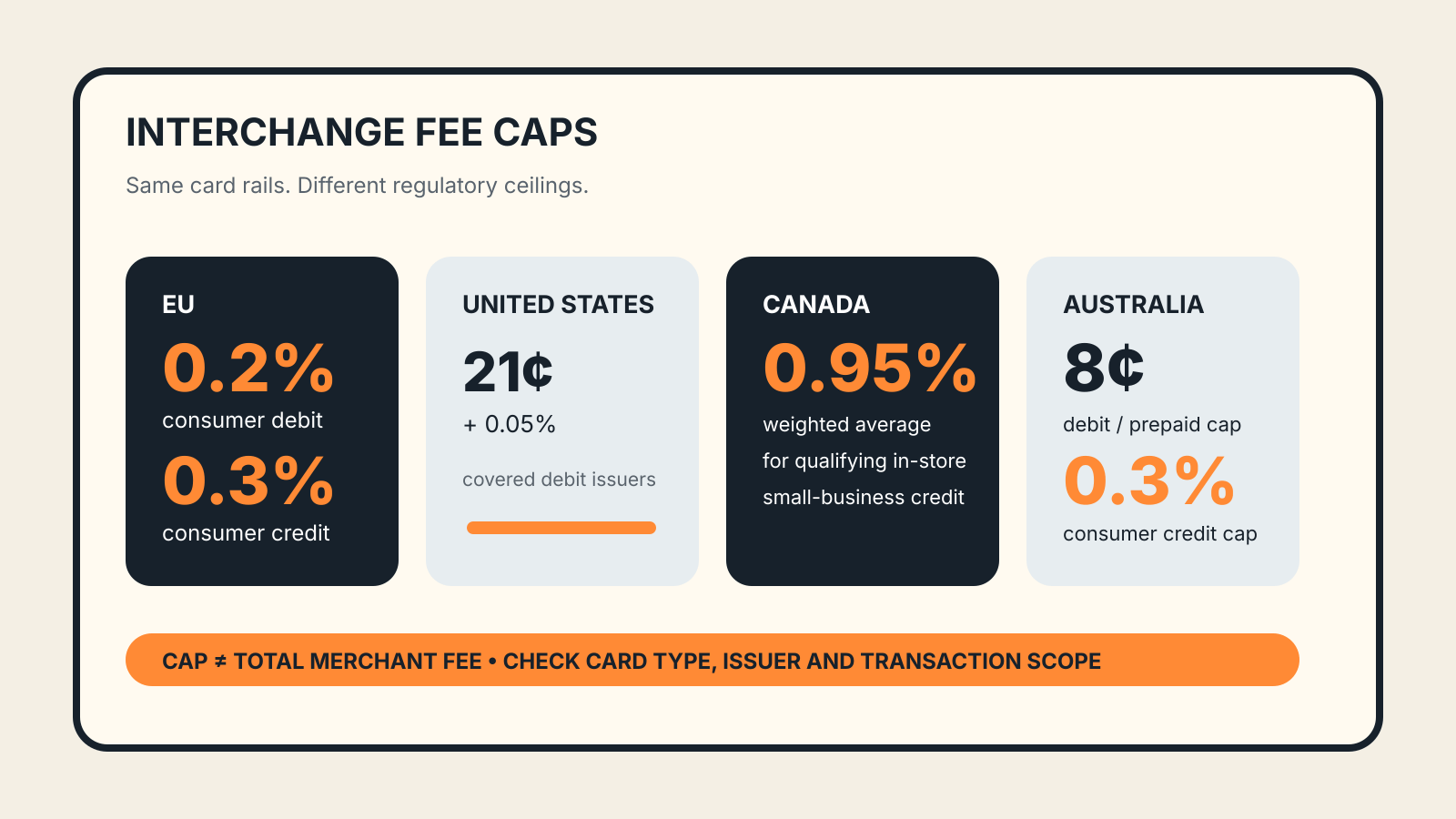
Interchange Fee Caps: EU, US, Canada and Australia
How interchange fee limits differ across the EU, US, Canada and Australia—and why the cap is not the total merchant fee.
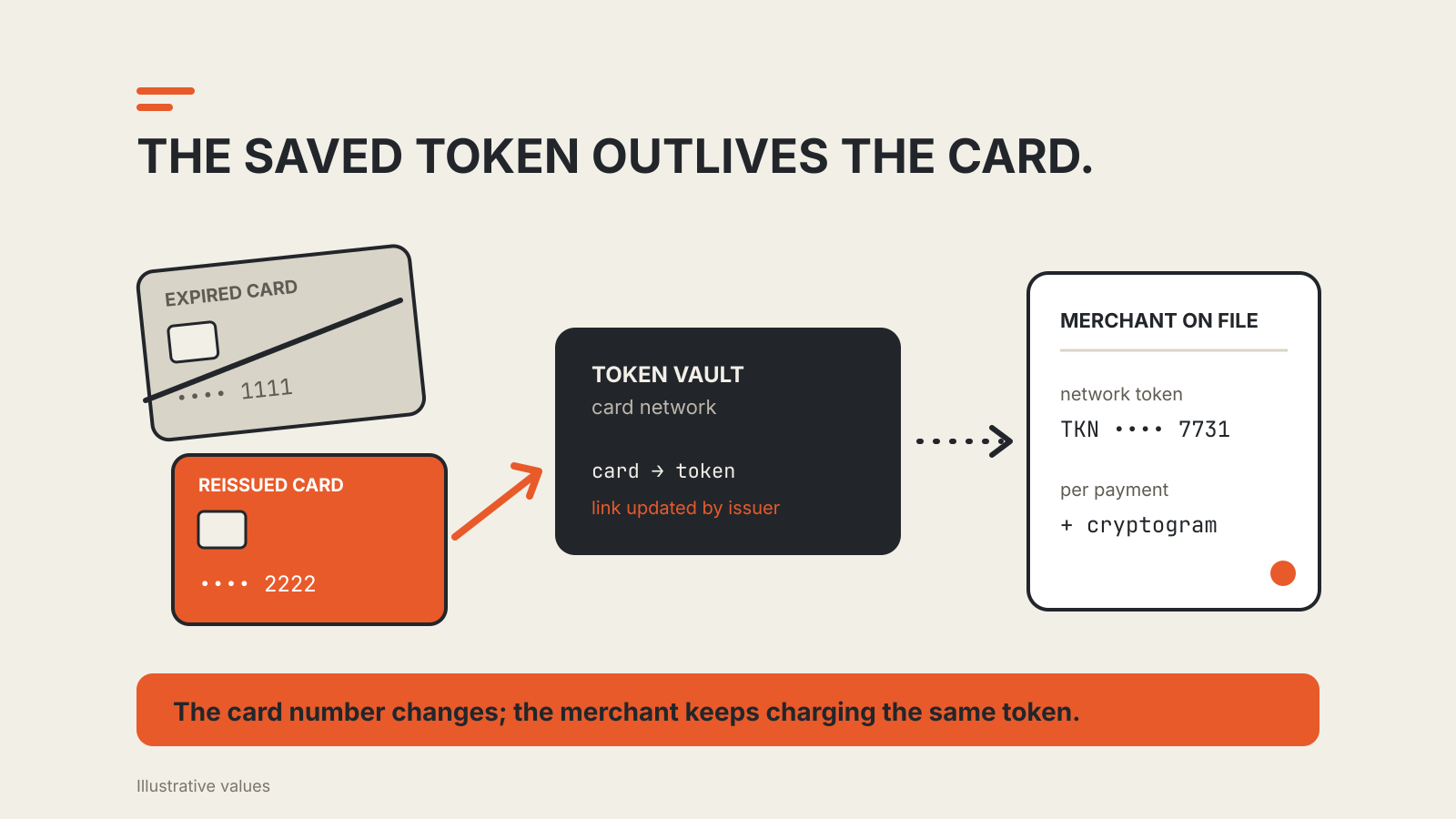
Network Tokenization Explained: Why a Saved Card Keeps Working
How network tokens replace a stored card number, survive a card reissue and what a merchant still has to check.
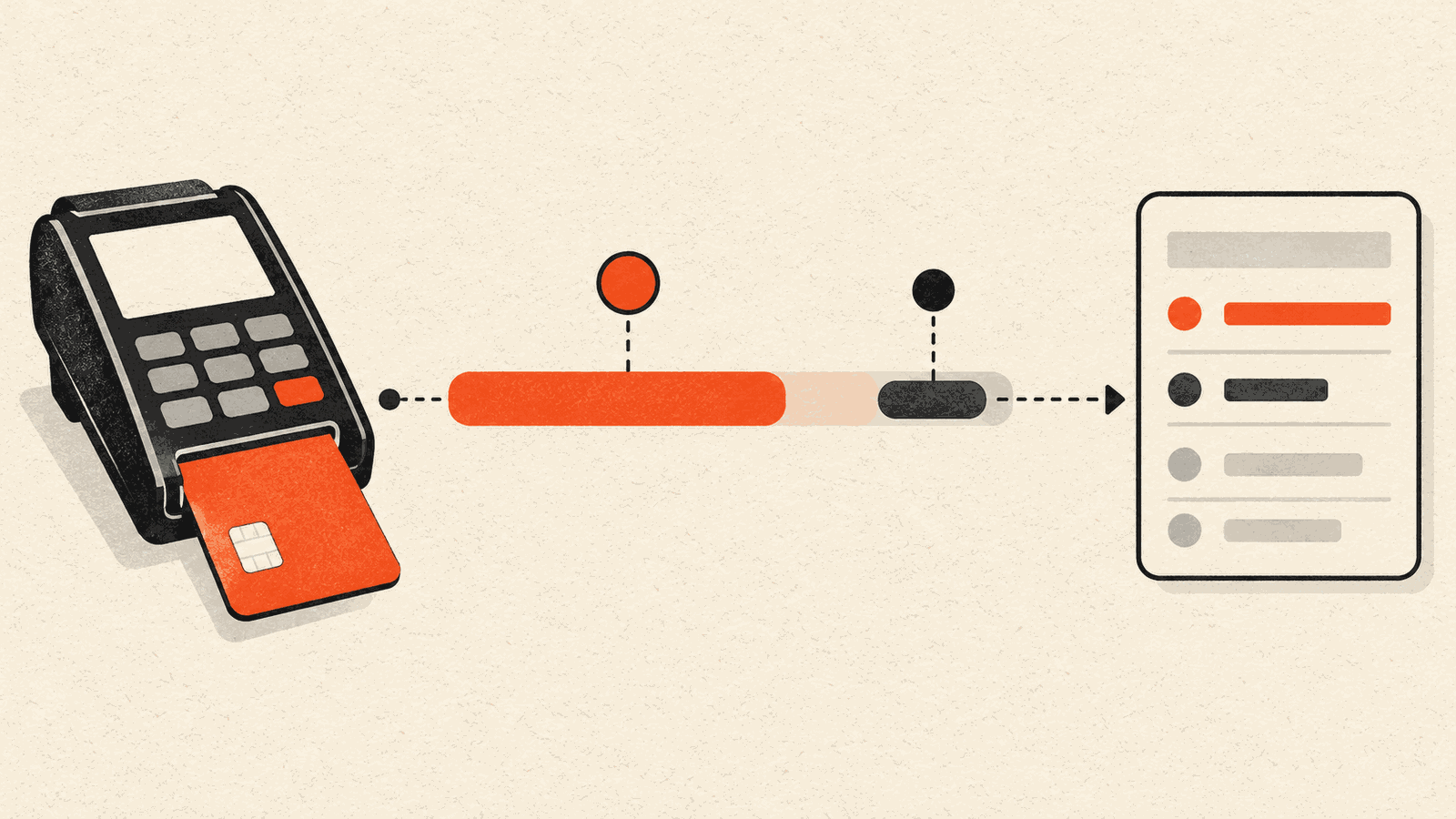
Authorization Hold Explained: Pending Card Charges
Why a card authorization hold reduces available funds, how it becomes a final charge and what reversals do.
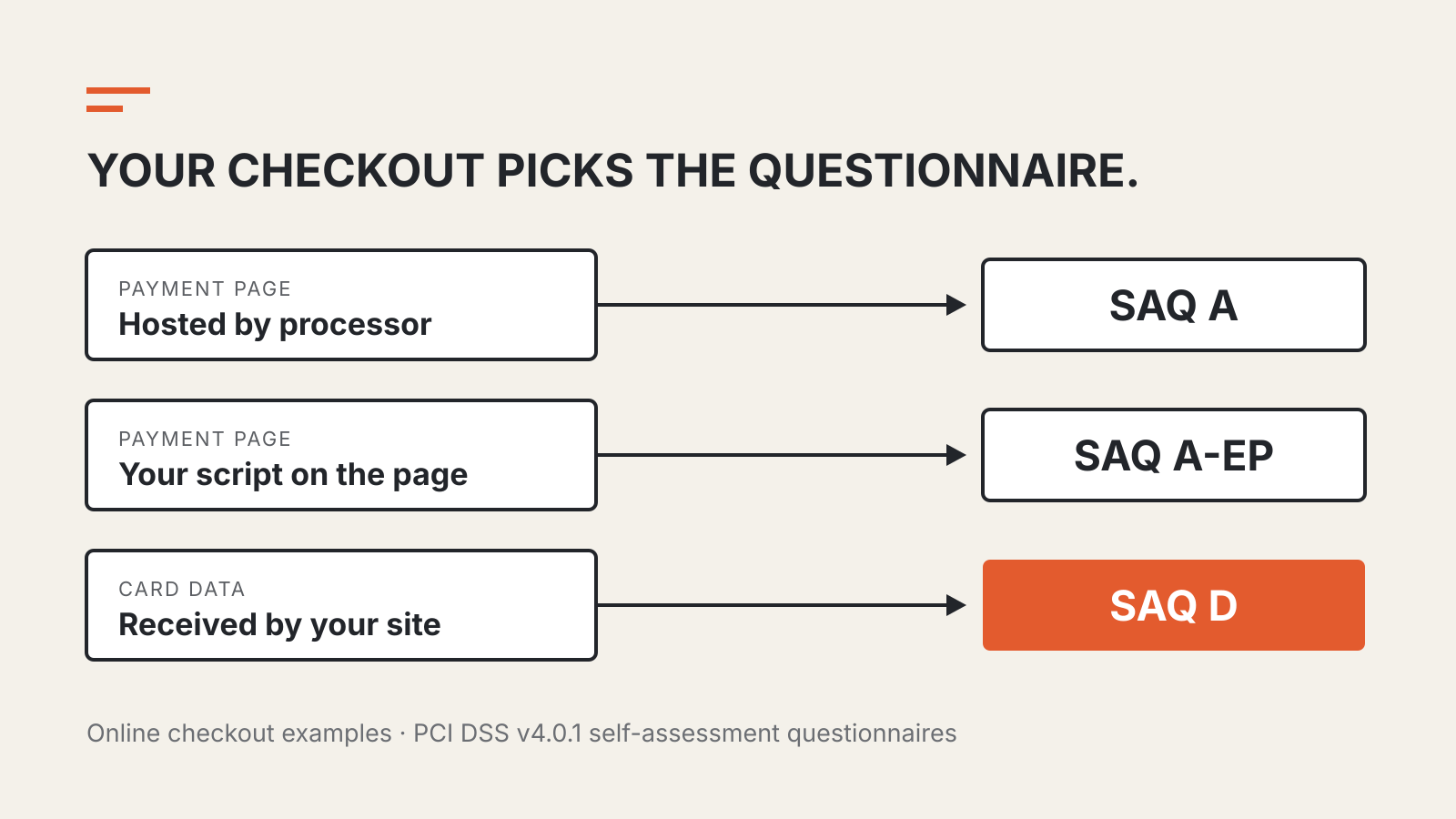
PCI SAQ Types: Which Self-Assessment a Merchant Fills In
Which PCI self-assessment questionnaire fits each way of taking cards, and how checkout design sets SAQ A or A-EP.
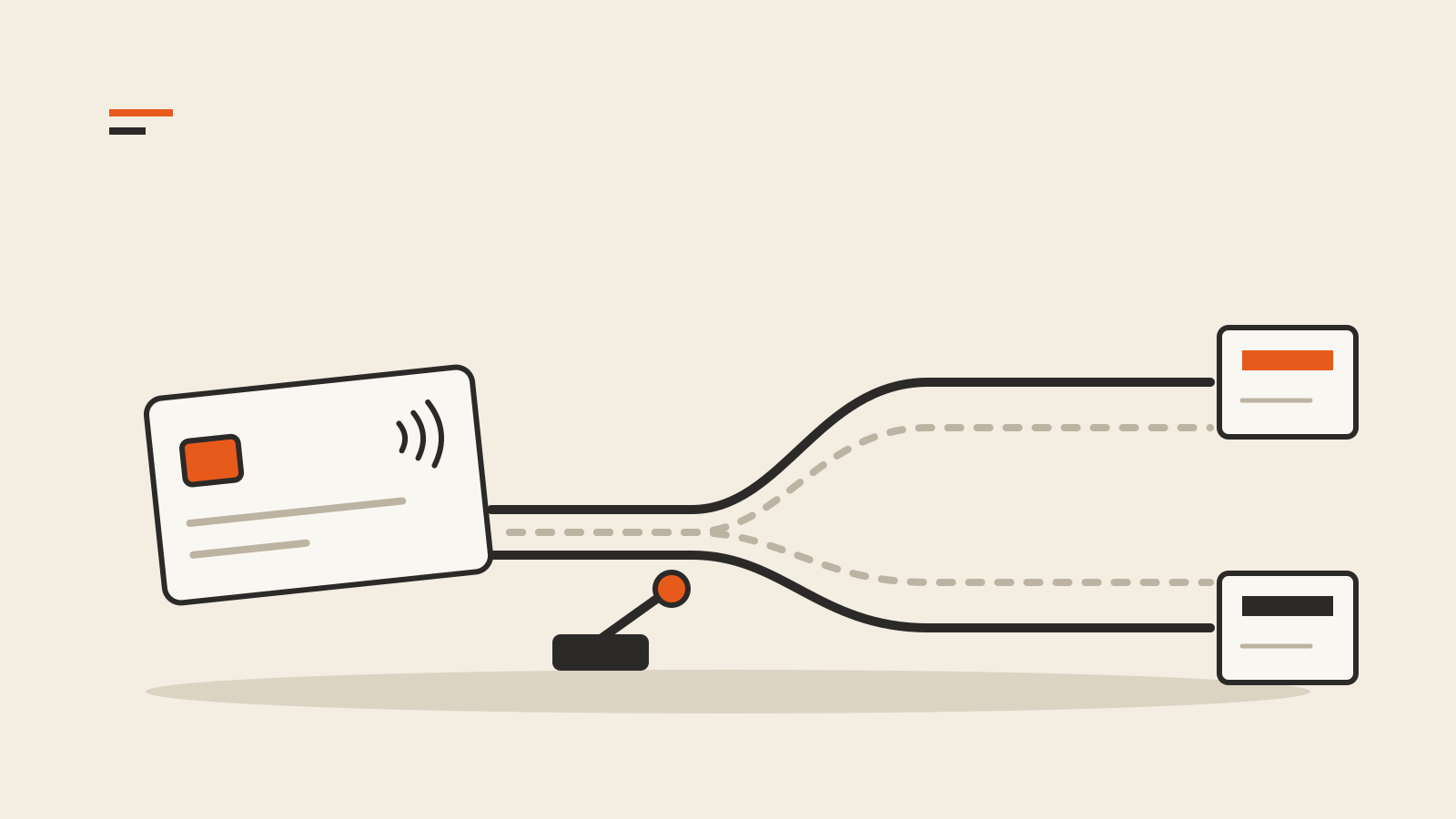
Debit Card Routing: Why US Debit Cards Carry Two Networks
The US two-network debit rule, what card networks may not restrict, and the Regulation II fee cap.
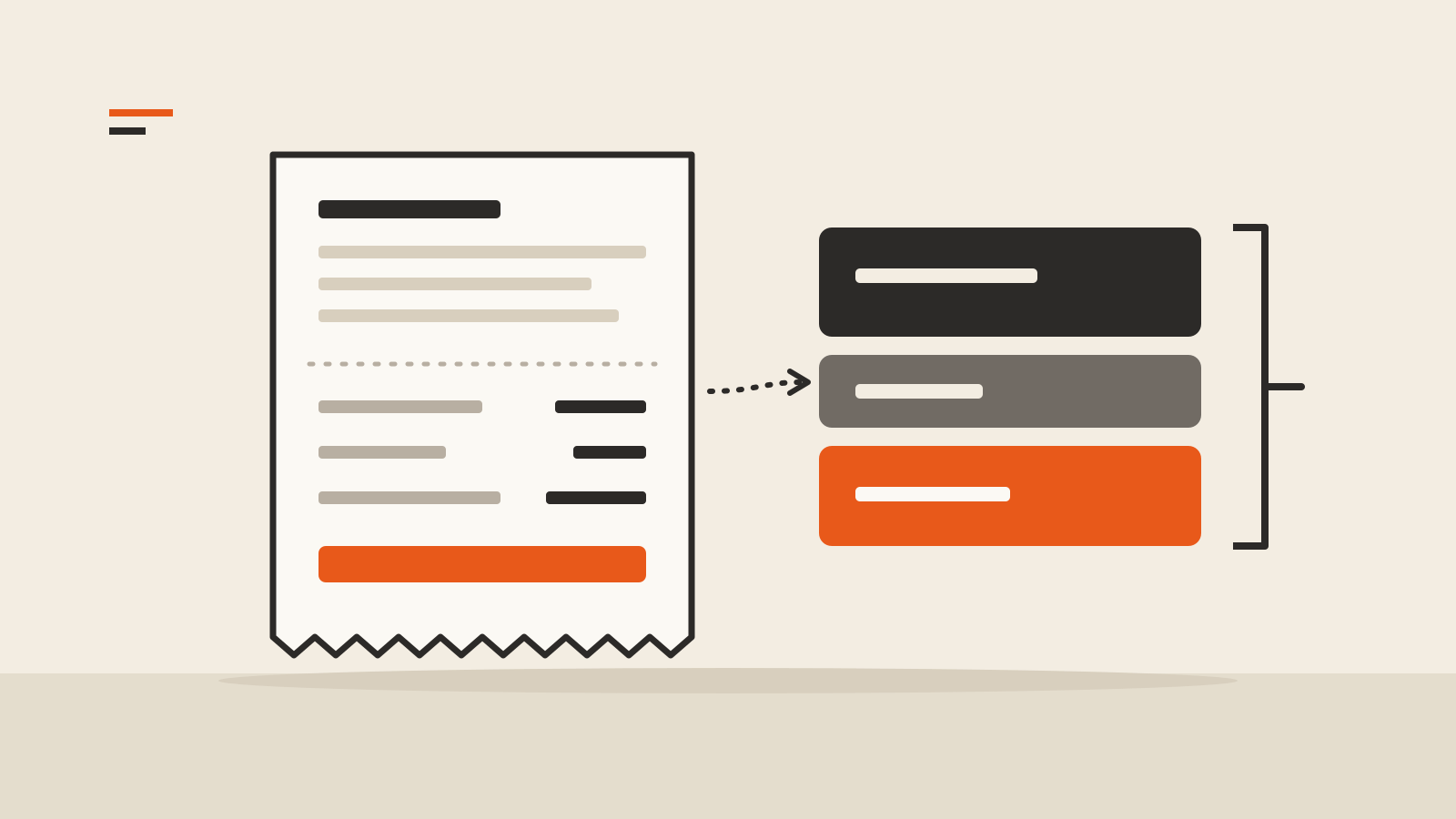
Interchange Fee vs MDR: Which Part of a Card Fee Is Which
The MDR is the whole charge for accepting a card; interchange is the issuer's slice inside it.
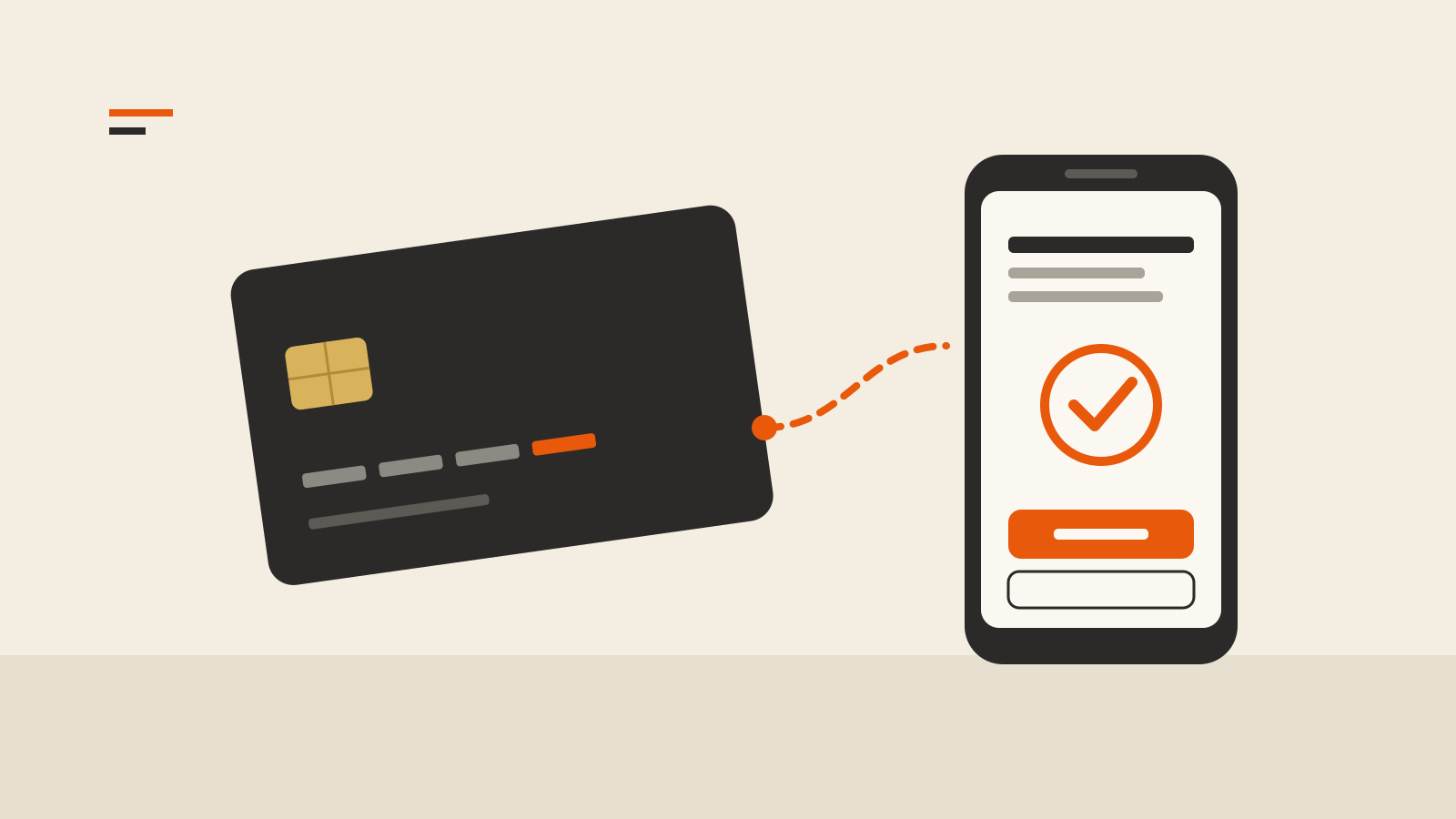
3D Secure Explained: Why Some Card Payments Ask for a Second Step
Why your bank asks you to approve some card payments, when it can skip the step, and who pays for fraud.
Chargeback Fee: What a Disputed Card Payment Costs a Merchant
What Stripe, PayPal and Square charge per chargeback in 2026, and which fees come back when you win.
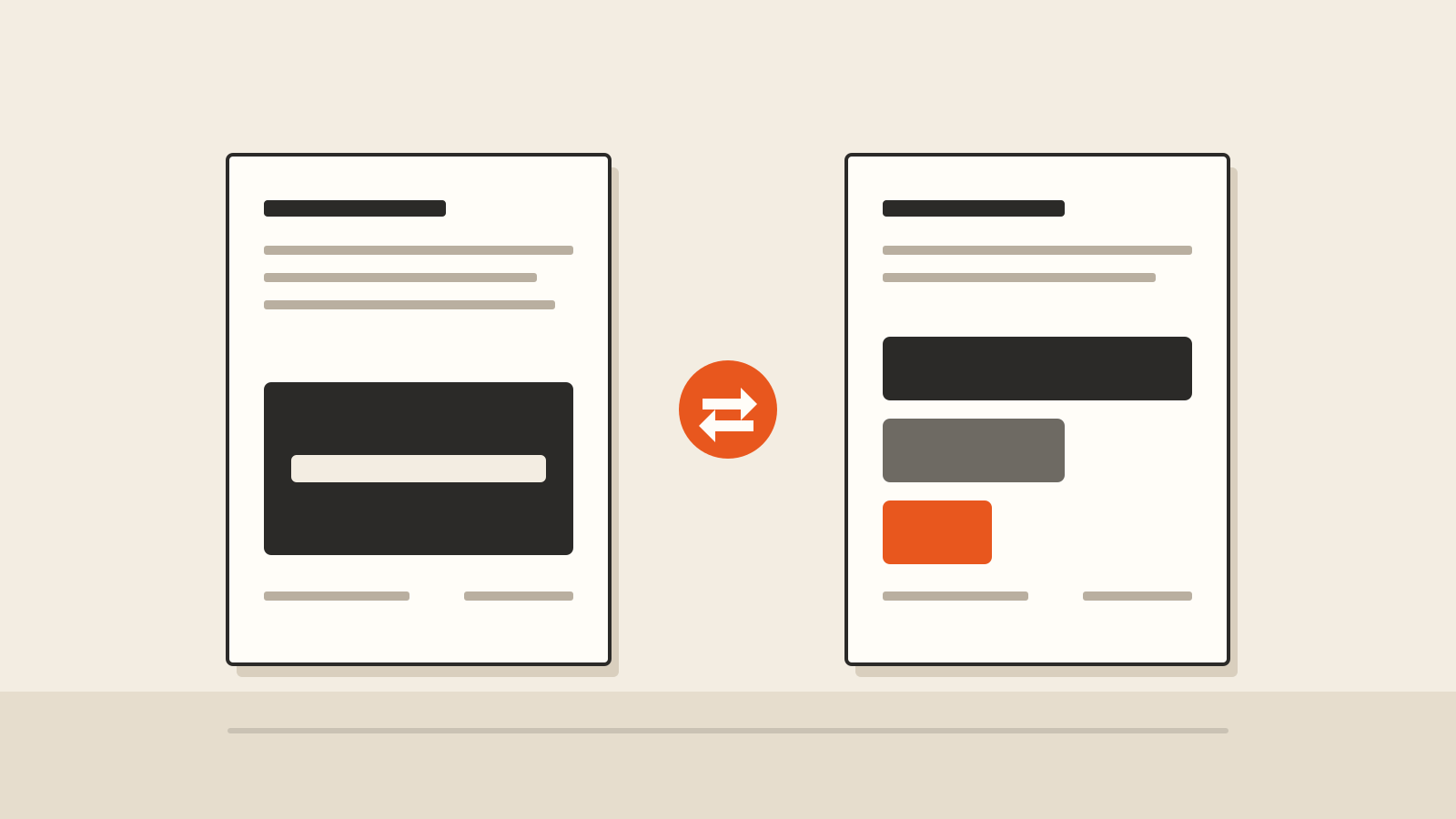
Interchange-Plus vs Flat Rate: Choosing a Card Pricing Model
Interchange plus vs flat rate: one rate for every card, or the real cost of each card plus a markup.
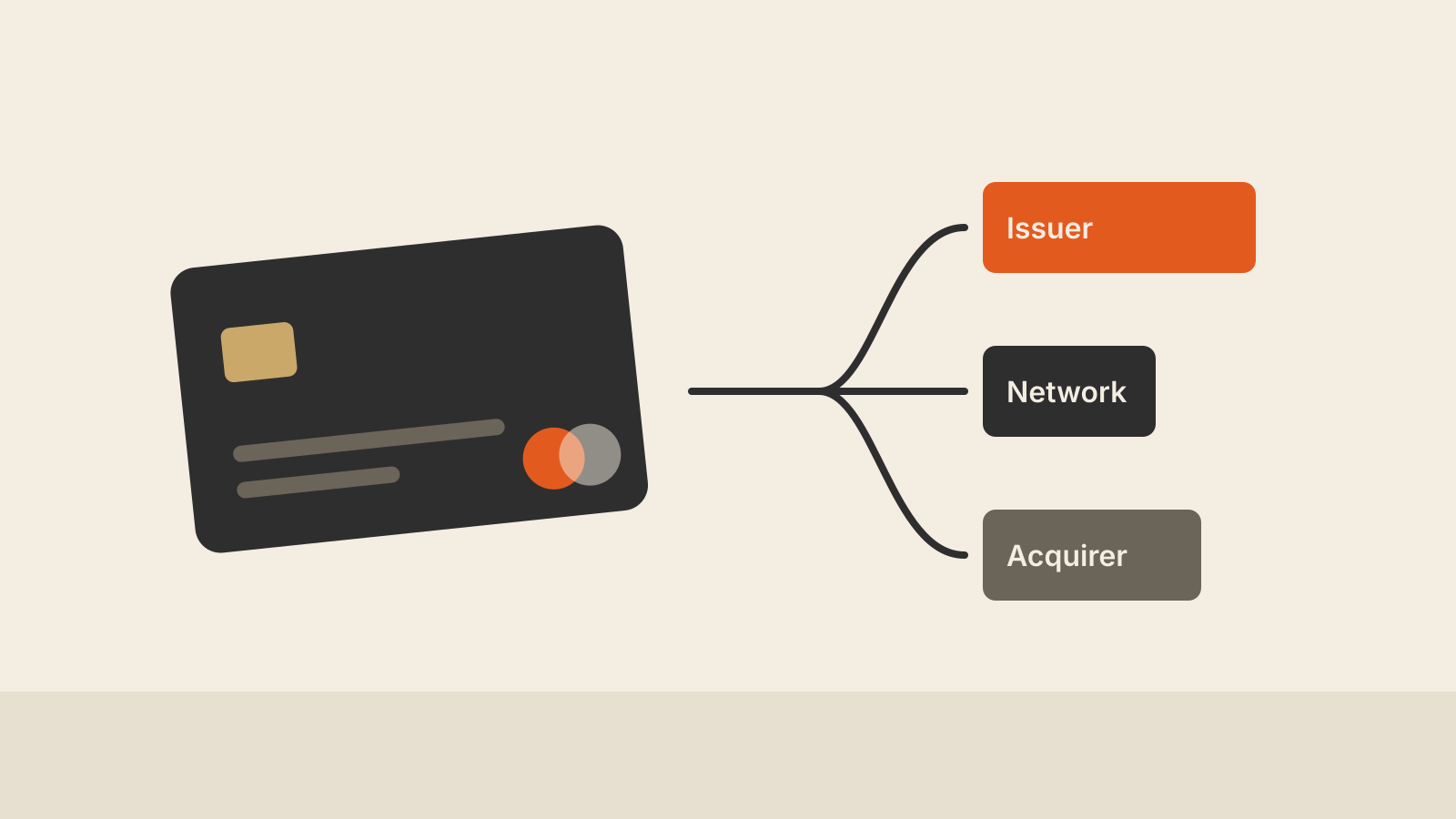
Interchange Fee Explained: Where a Card Payment Fee Goes
Interchange fee explained: one processing fee on the statement, three payments to three different parties.
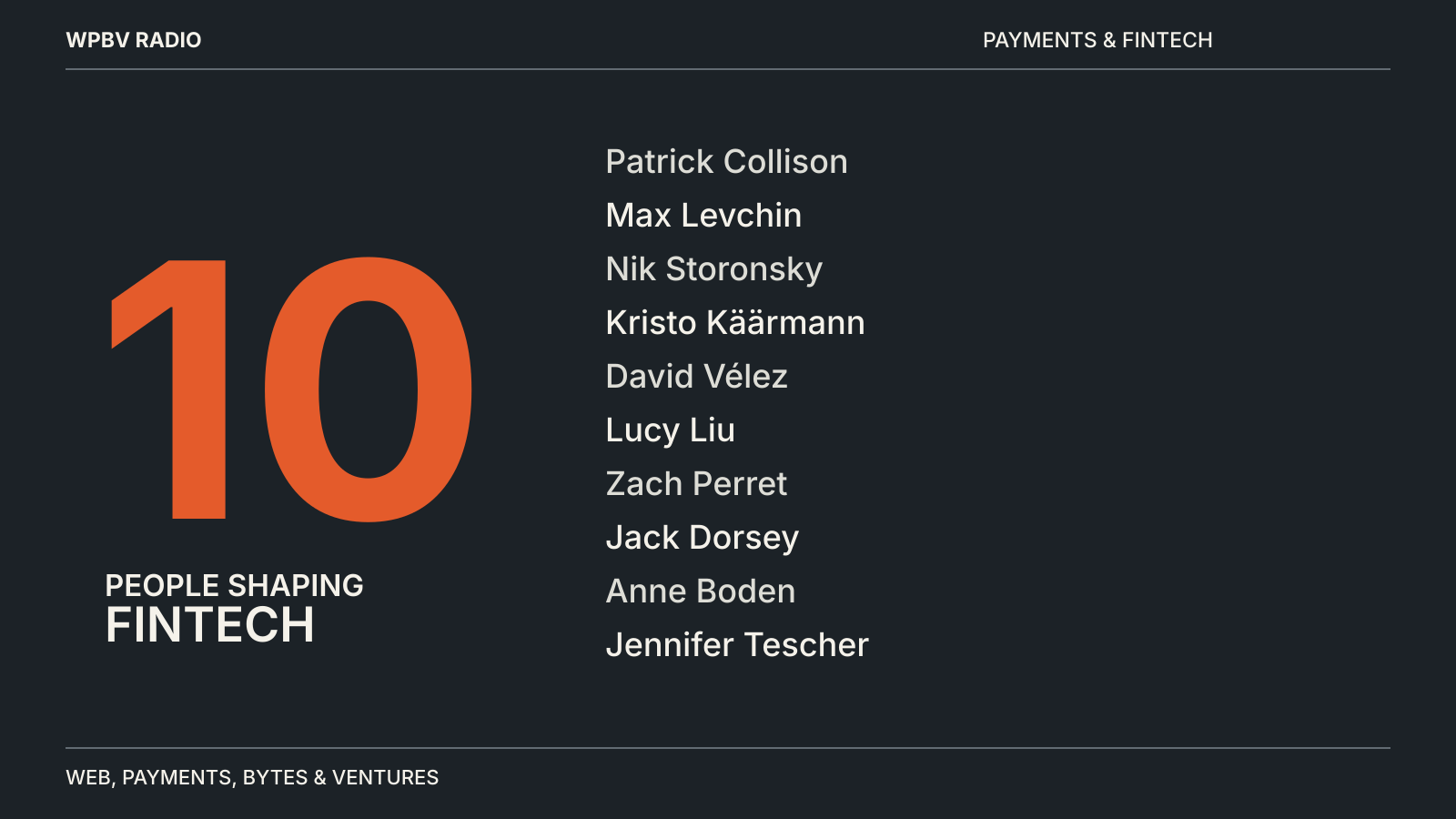
10 People Shaping Fintech
Ten people whose work helps explain where payments, digital banking and financial infrastructure are going.
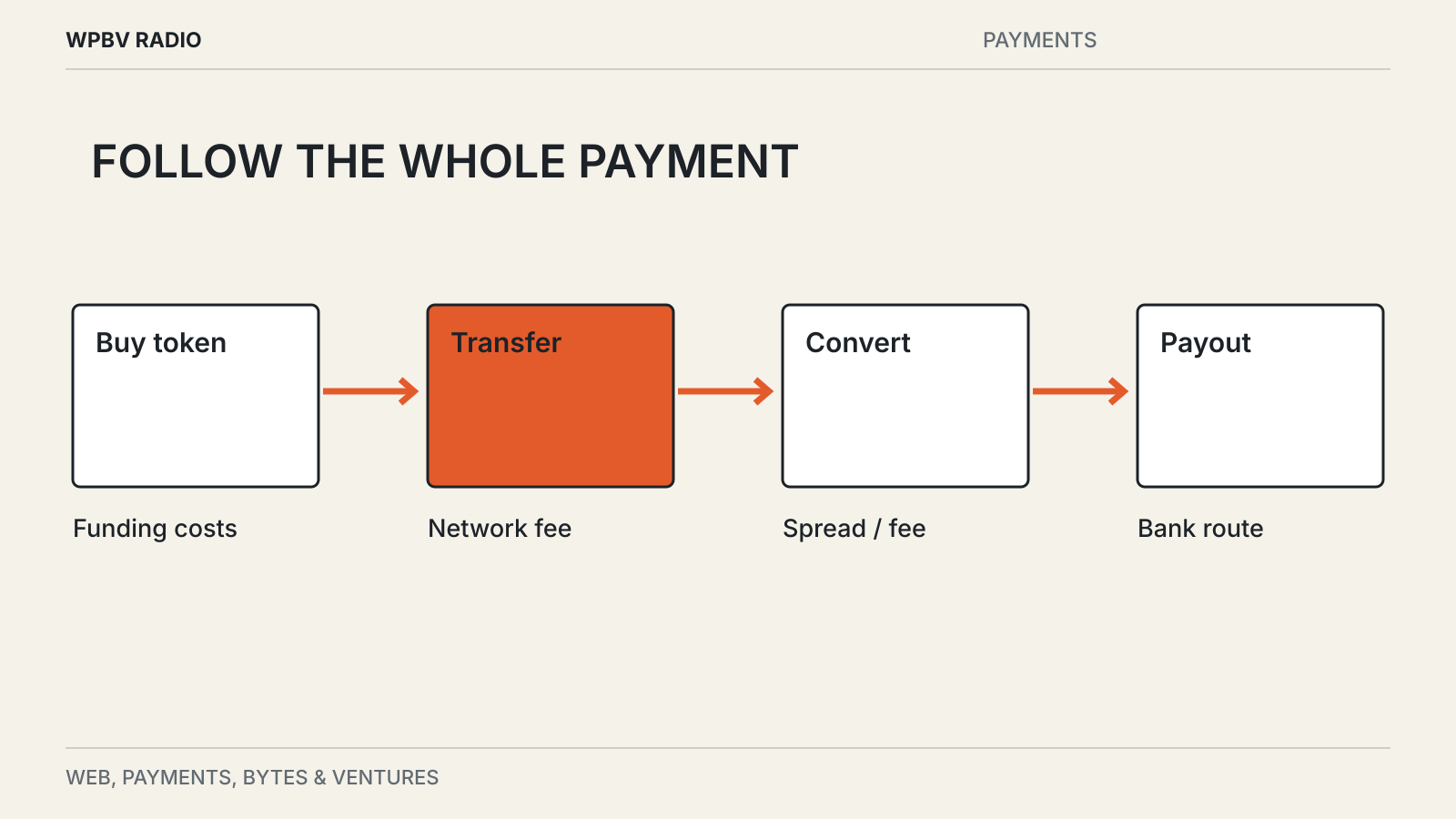
Stablecoin Payments: Where the Fees Come From
A low network fee is only one part of moving money from a customer's wallet to a merchant's bank.
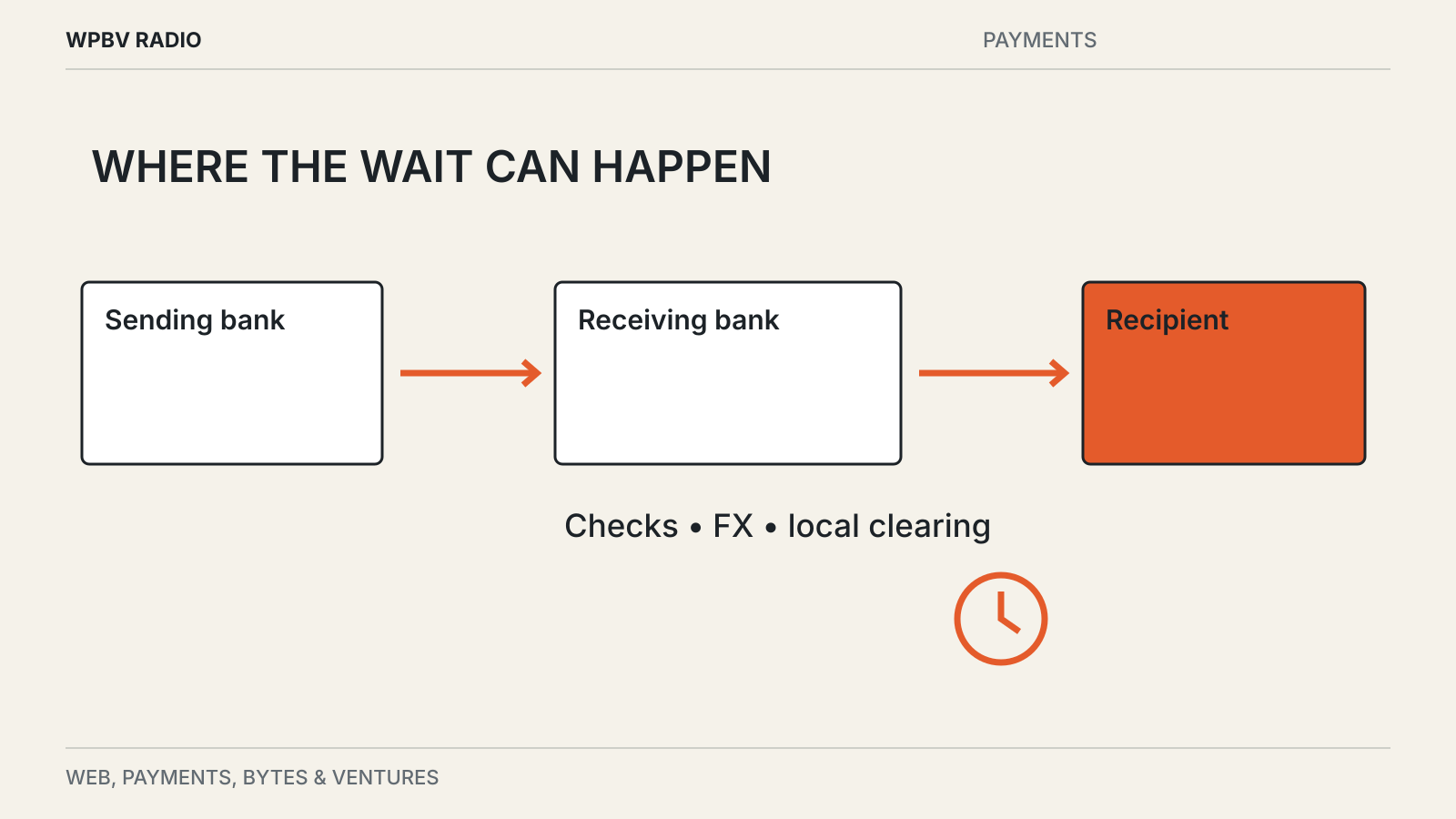
Why a Cross-Border Transfer Can Still Take Days
The international message can arrive quickly while the recipient's money waits in the last mile.
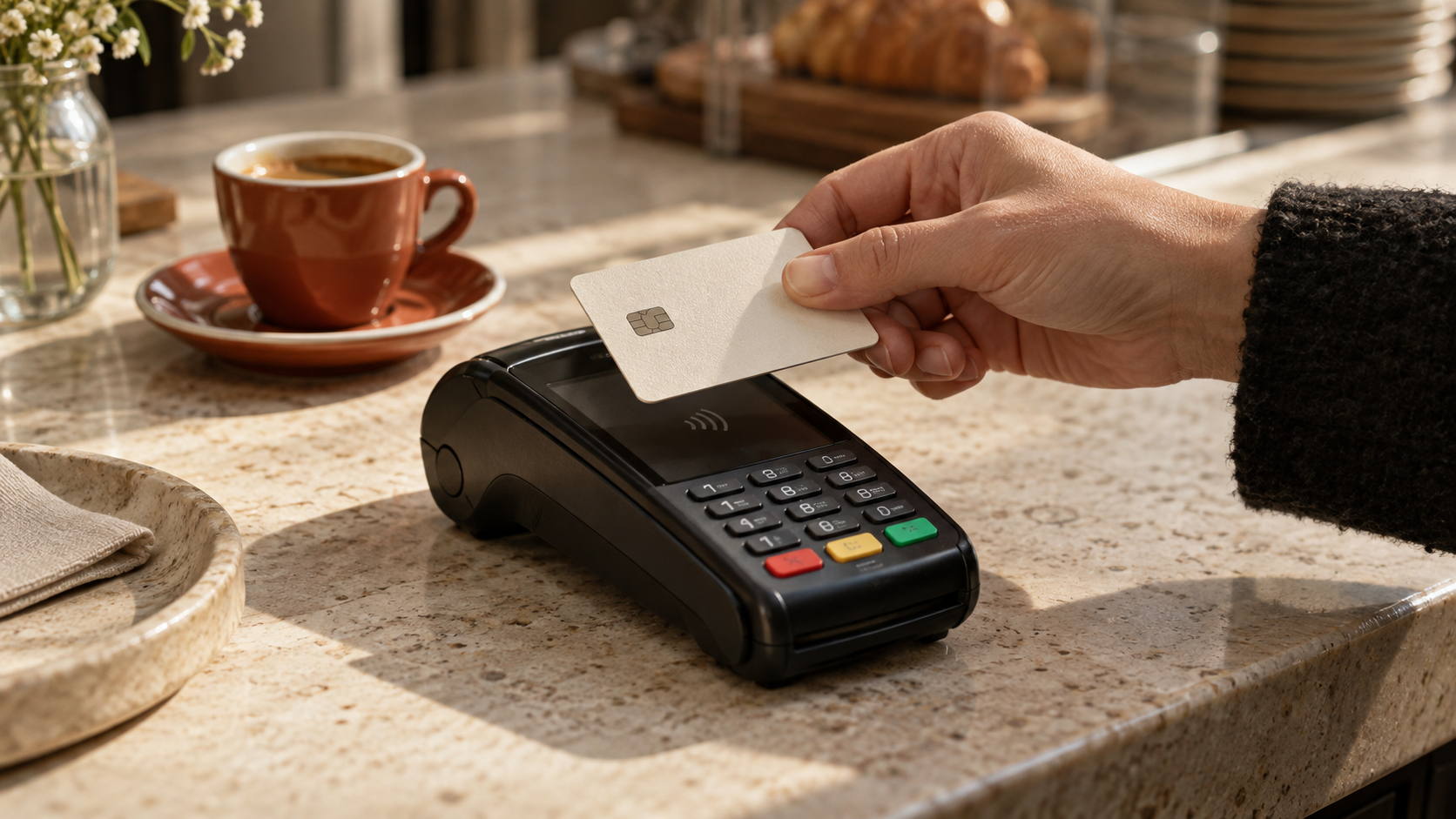
What Happens After You Tap Your Card?
The terminal's approval is one step in a longer journey from a payment request to settled funds.
Follow a card payment from the terminal to settlement, compare the separate costs in a stablecoin payment and locate the handoffs that can slow an international transfer. Our people feature introduces contributors across payments, digital banking and financial health. Together, these guides connect a familiar financial interface to the institutions and decisions behind it.
Visit the Payments & Fintech desk for current reports alongside these explainers.