
Crypto & Web3
Wallets, networks and the mechanics of digital assets.
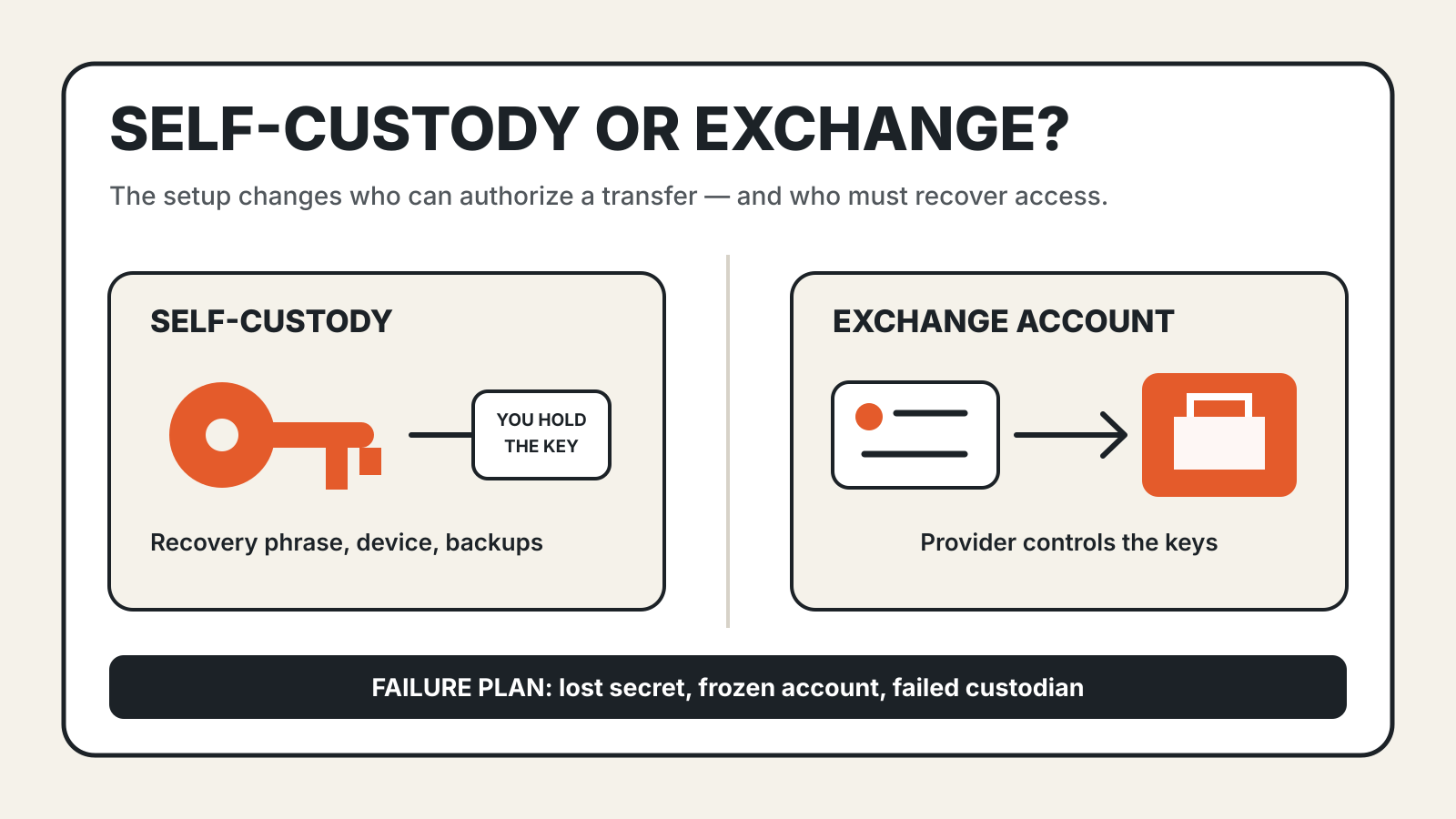
Self Custody vs Exchange: Keys, Recovery and Risk
Compare key control, recovery and provider risk before choosing where to hold crypto assets.
Proof of work vs proof of stake: how the two systems agree
Proof of work spends computation; proof of stake puts validator capital at risk.
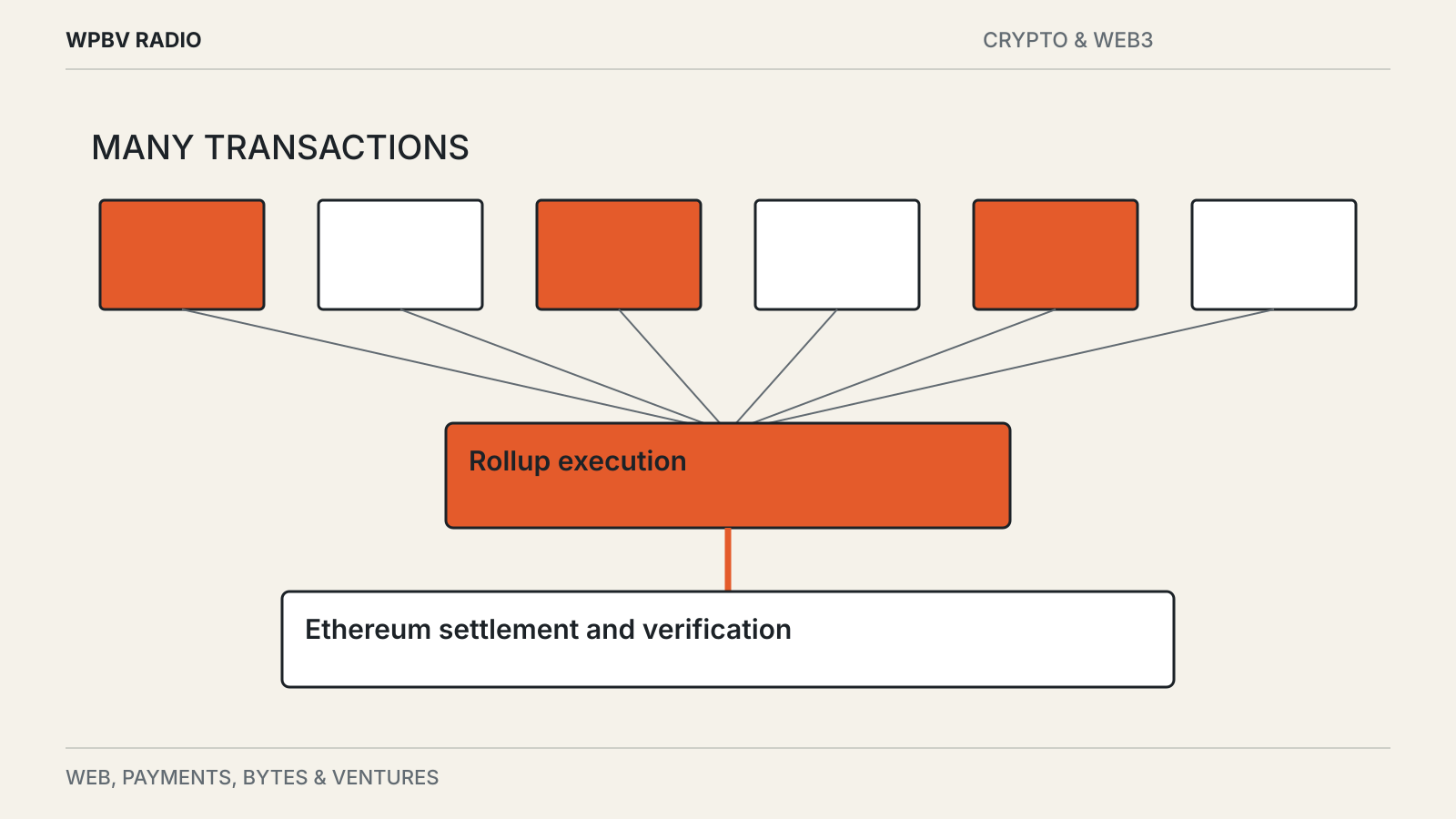
Ethereum Layer 2: what gets cheaper?
Moving execution changes the cost of a transaction. It also adds details about bridges, withdrawals and trust.
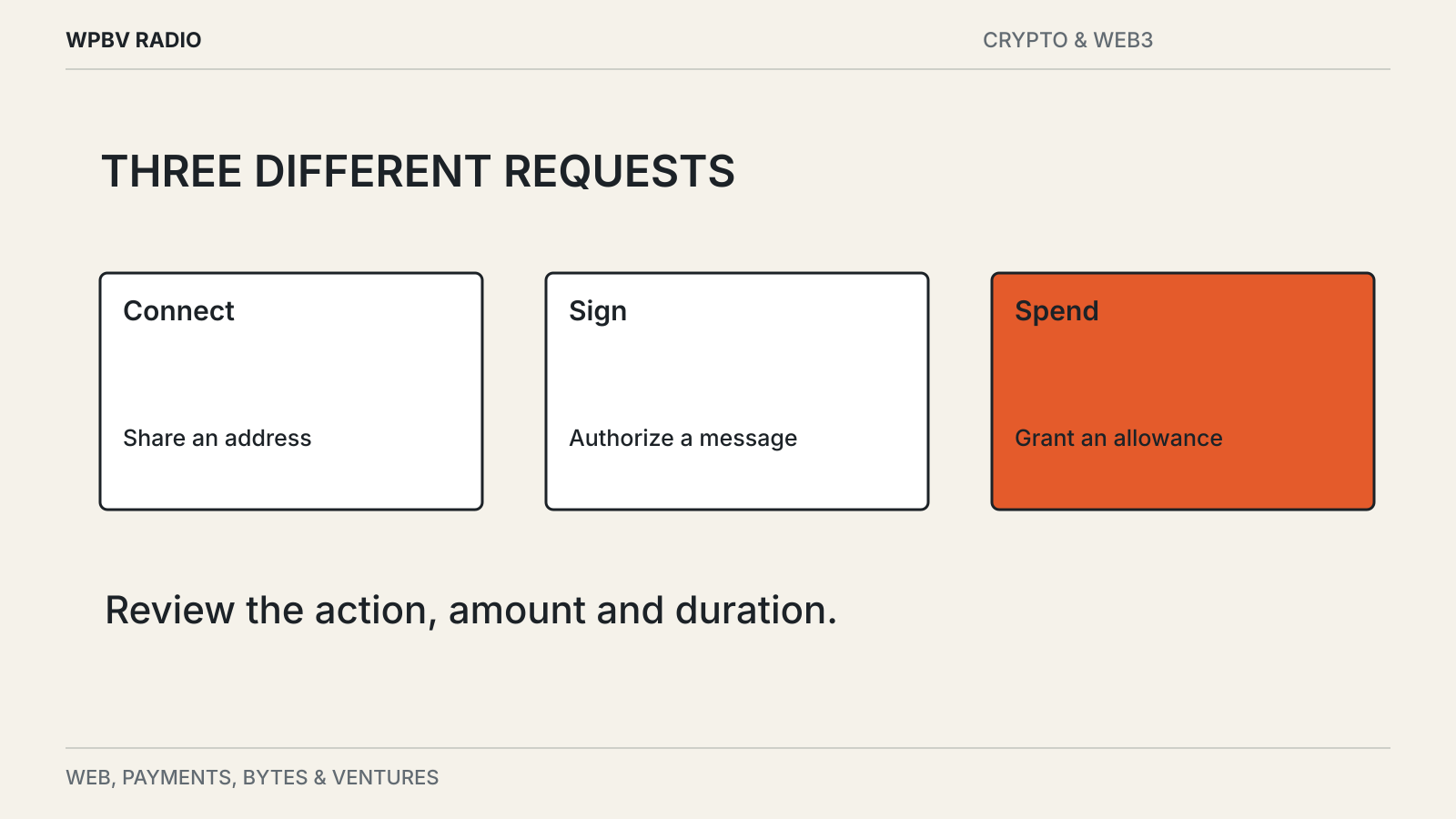
What You Approve When You Connect a Crypto Wallet
A connection, a signature and a spending permission can appear in similar popups but have different effects.
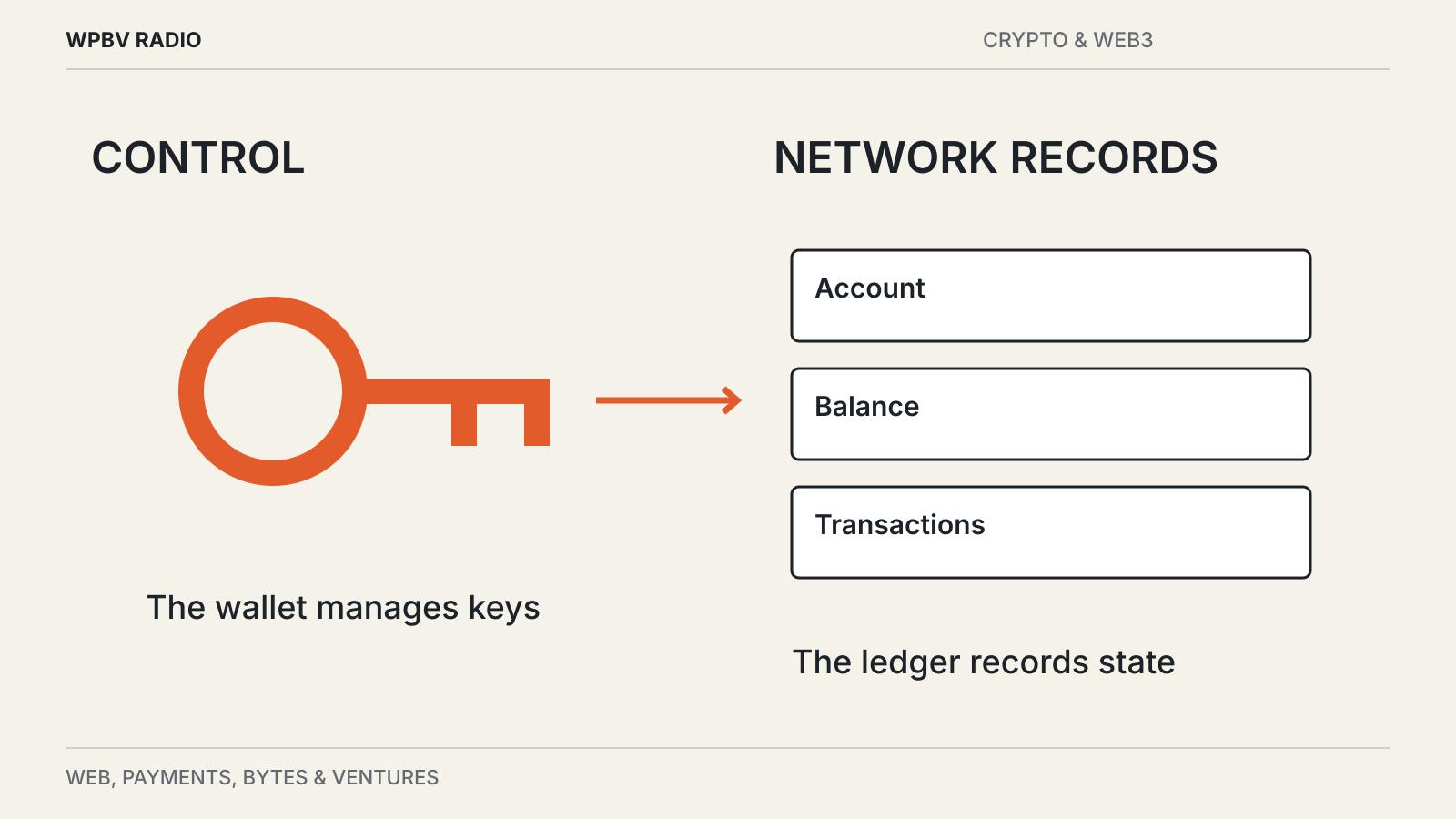
A Crypto Wallet Stores Keys. Where Are the Coins?
Your balance belongs to a network's records. The wallet helps you prove which actions you may authorize.
Begin with the difference between a wallet and the network’s ledger. Then examine the permissions requested by an application and the tradeoffs involved in moving activity to a layer 2. These guides focus on the asset, network, authorization and exit route, so readers can understand the action in front of them before signing.
Visit the Crypto & Web3 desk for current reports alongside these explainers.