Akamai introduced two AI products for its cloud on Tuesday, October 27, 2026: Akamai Agent Sandbox, an isolated place to run code that AI agents write, and Akamai Inference, a managed service for serving models. Both are in beta, according to the company’s press release.
Agent Sandbox: a fence around agent-written code
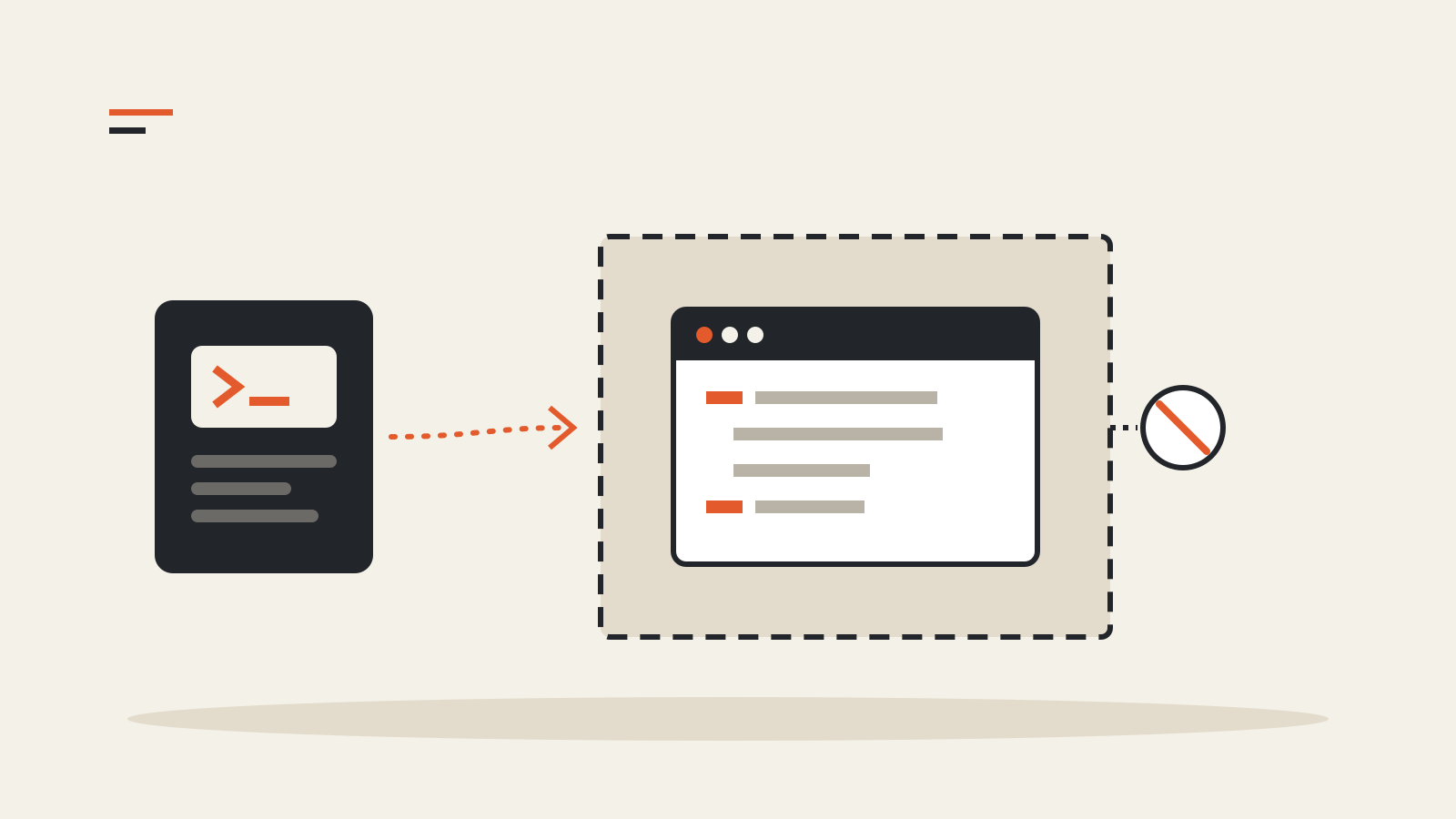
Agents that take actions for a user increasingly write and run their own code. Akamai’s answer is to separate the agent from what it produces:
- The agent itself runs on Akamai Functions, the company’s serverless platform.
- Any code the agent writes runs in its own isolated environment, kept apart from the agent’s runtime.
- The isolation uses WebAssembly, with set limits on compute, memory, outbound connections and system capabilities.
Agent Sandbox ships as an open-source component of the Spin framework and is available in beta through the Spin SDK. Akamai says developers can then “deploy agents with confidence about where they run and what they can reach.”
The design targets a known risk. An agent that can be steered by text it reads, the problem described in our explainer on prompt injection, can also be steered into writing harmful code. Limiting outbound connections and system access caps what such code can do, though the release gives no details on default limits or how they are configured.
Akamai Inference: managed model APIs
Akamai Inference gives customers access to open-weight and custom models through OpenAI-compatible APIs, so applications built against that interface can switch without rewrites, the company says. Customers can pick serverless pay-per-use inference or dedicated deployments; the beta includes the serverless option.
The launch catalog lists 12 open-weight models, plus embedding models for retrieval-augmented generation. Akamai says the service can draw on its managed databases and object storage, and on private and public clouds, to ground answers in a company’s own data. Our explainer on retrieval-augmented generation covers how that grounding works.
Requests run on Akamai’s network, which the company says spans core regions and more than 4,350 edge locations. The release states that this reduces latency but publishes no latency figures, and it does not list prices.
What is still missing
Both products are beta releases. The press release does not give a general-availability date, pricing for either service, or the default resource limits inside Agent Sandbox. Teams evaluating the sandbox should check the Spin documentation for what can be restricted before relying on it for code they have not reviewed.