
Latest
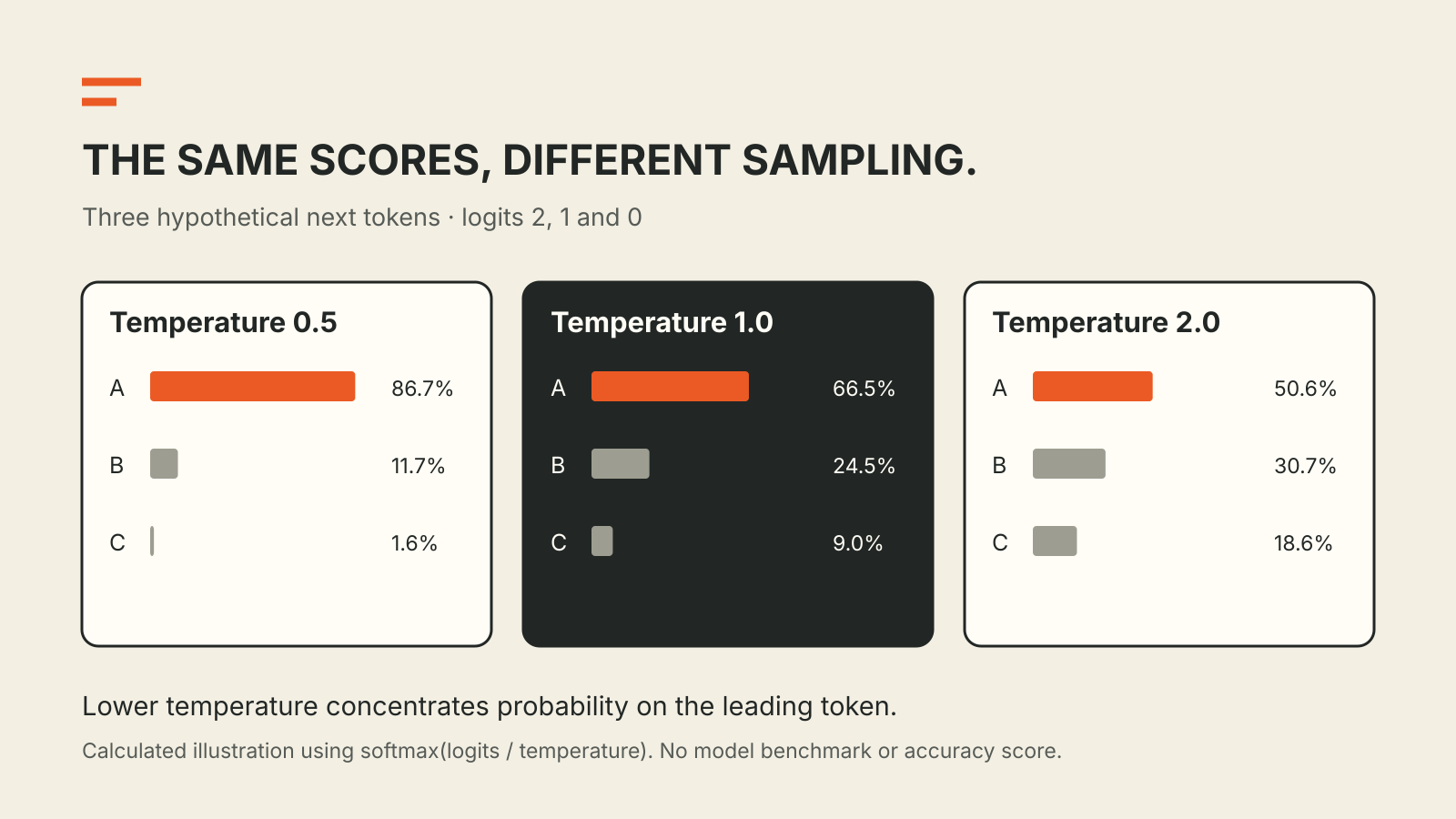
AI Temperature Explained: Why Answers Vary
How temperature changes token sampling, how top-p differs, and why consistent wording does not prove a fact.
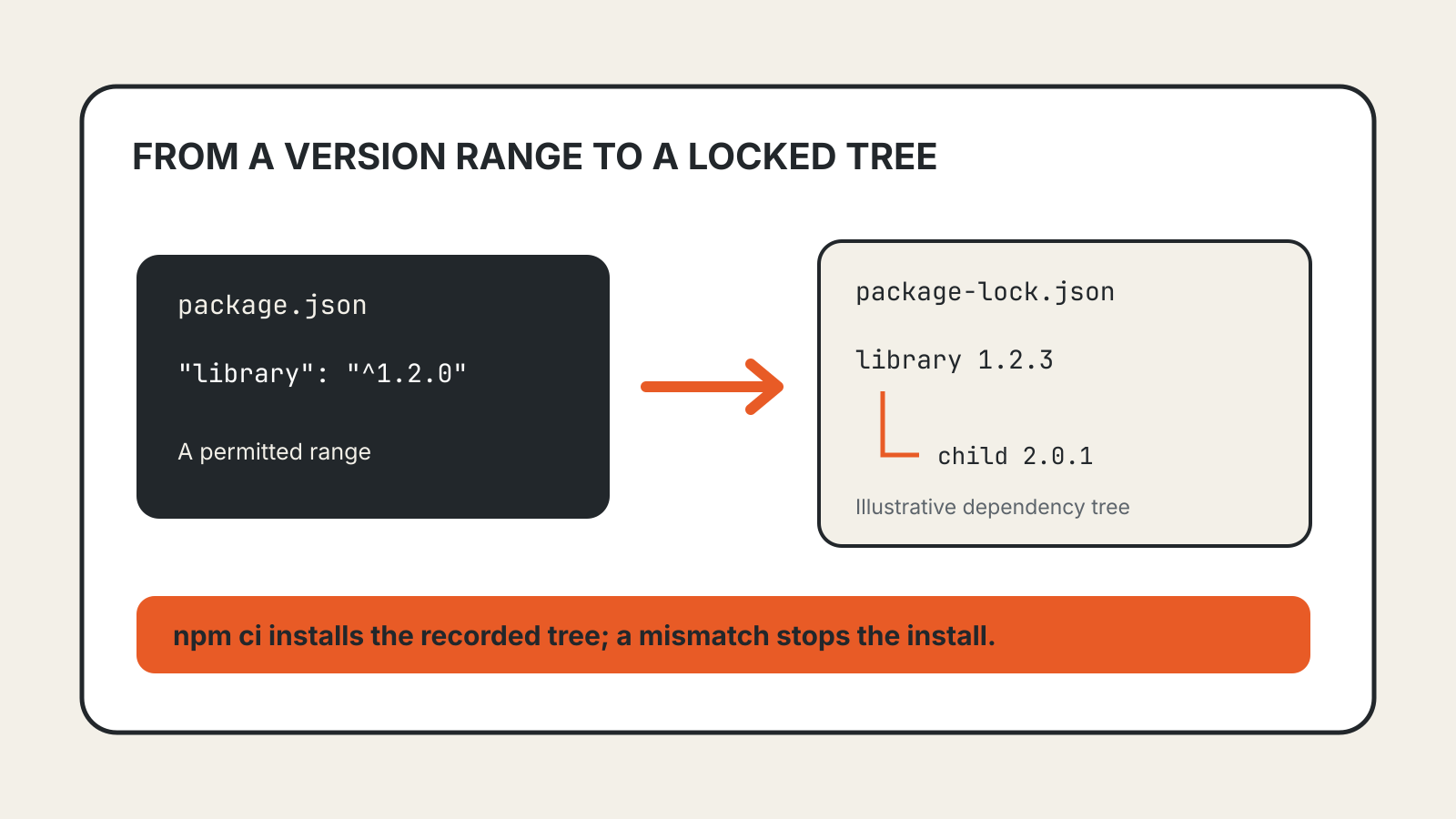
Lock File Explained: What Dependency Installs Preserve
How npm lock files record dependency versions, why npm ci rejects mismatches, and what a lock file cannot guarantee.
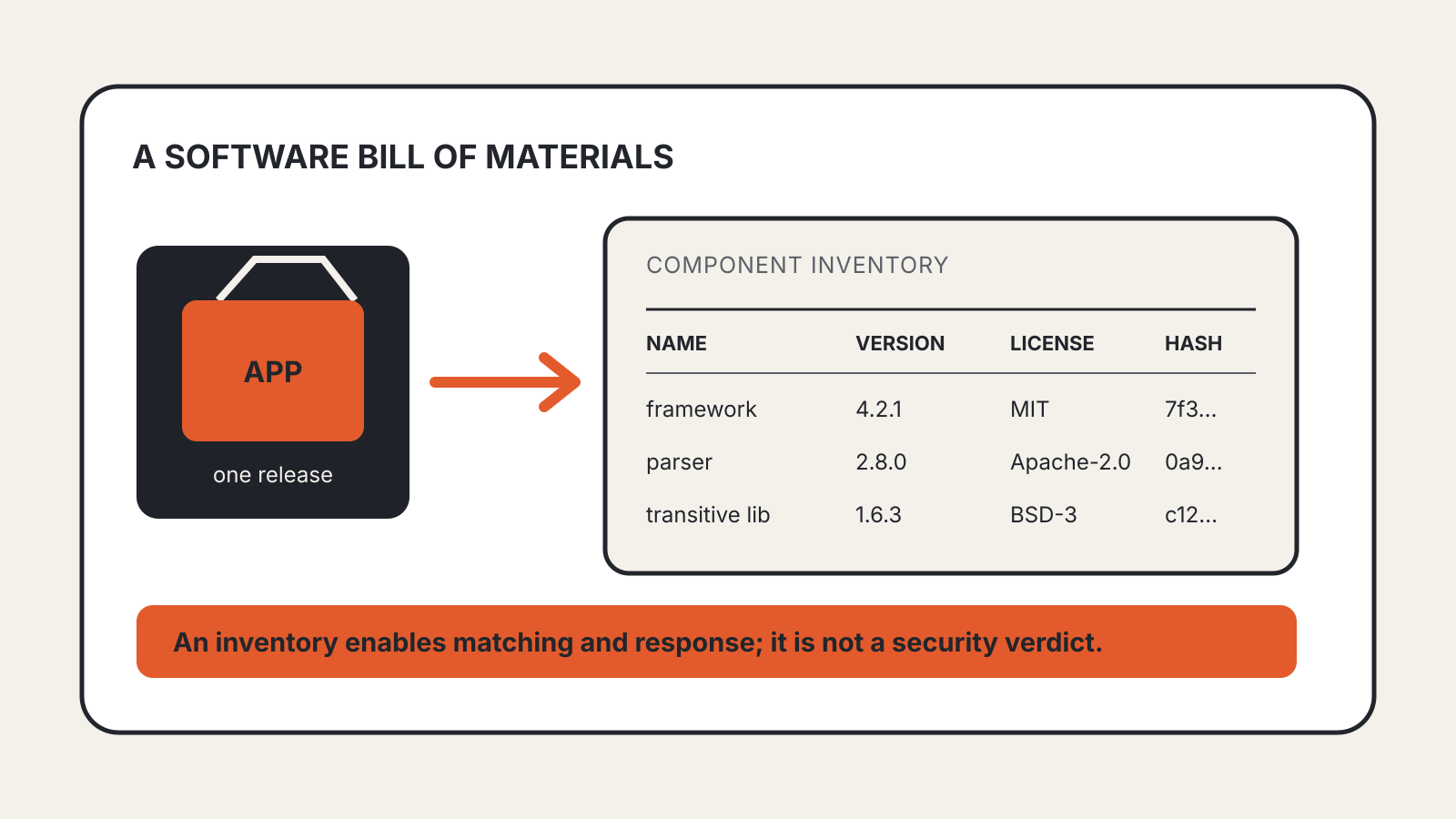
SBOM Explained: What a Software Bill of Materials Lists
What an SBOM records, how teams use it in vulnerability response, and why an inventory is not a security verdict.
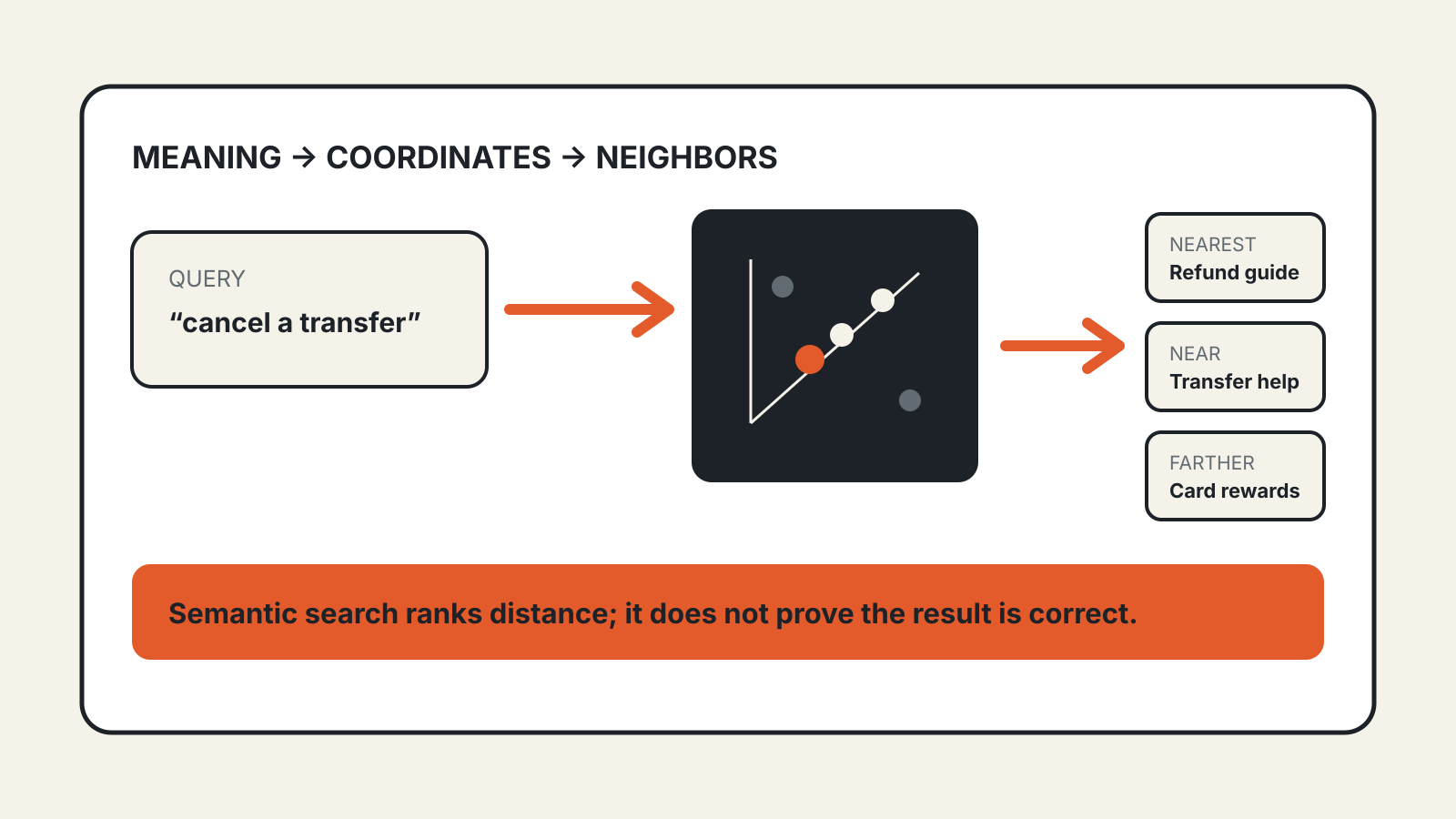
Embeddings Explained: Meaning as Coordinates
How text becomes a vector, how semantic search ranks neighbors, and why similarity still needs evaluation.
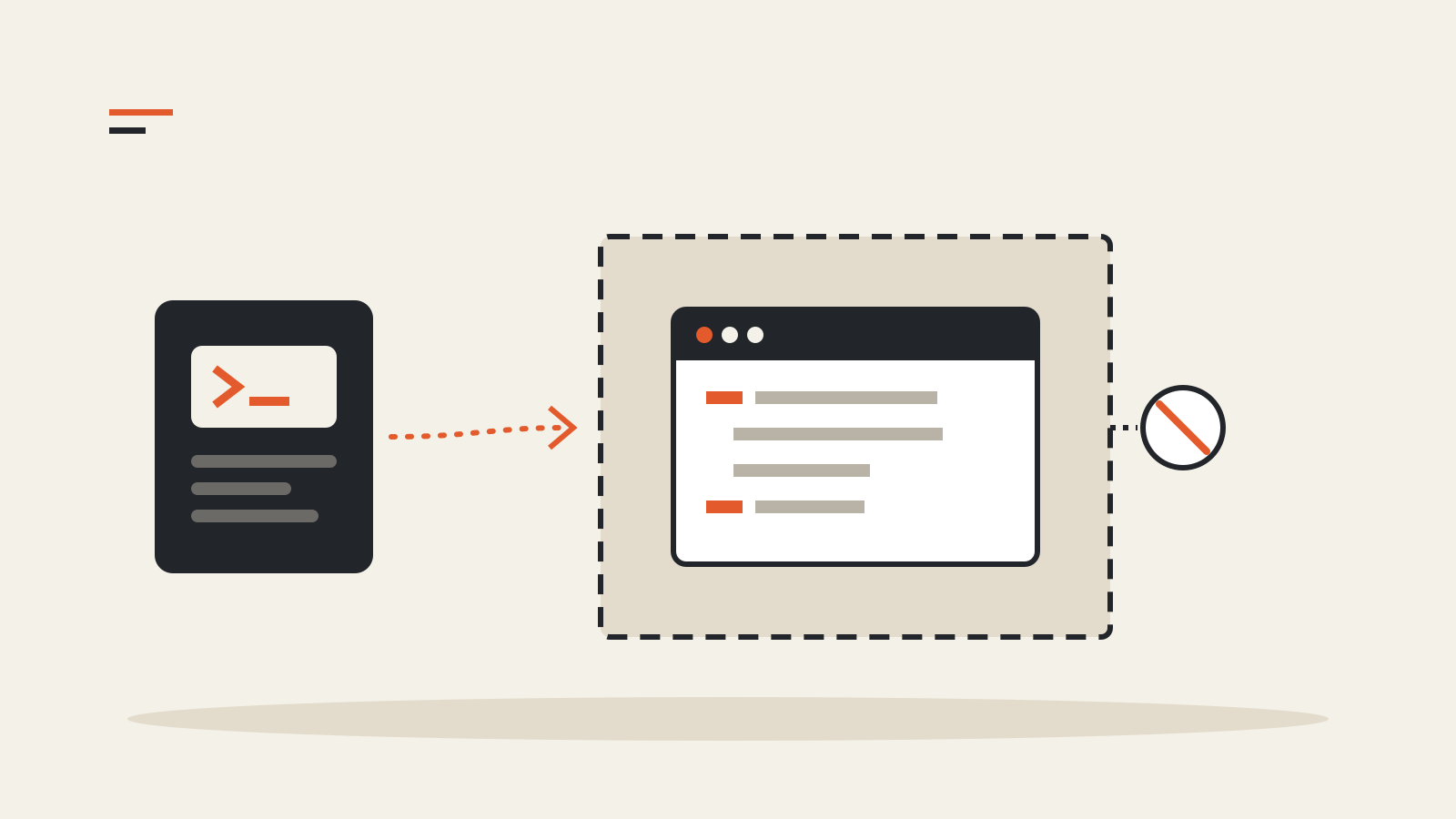
Akamai Launches Agent Sandbox and Managed Inference in Beta
Akamai's Agent Sandbox isolates code that AI agents write; Akamai Inference adds managed model APIs. Both are in beta.
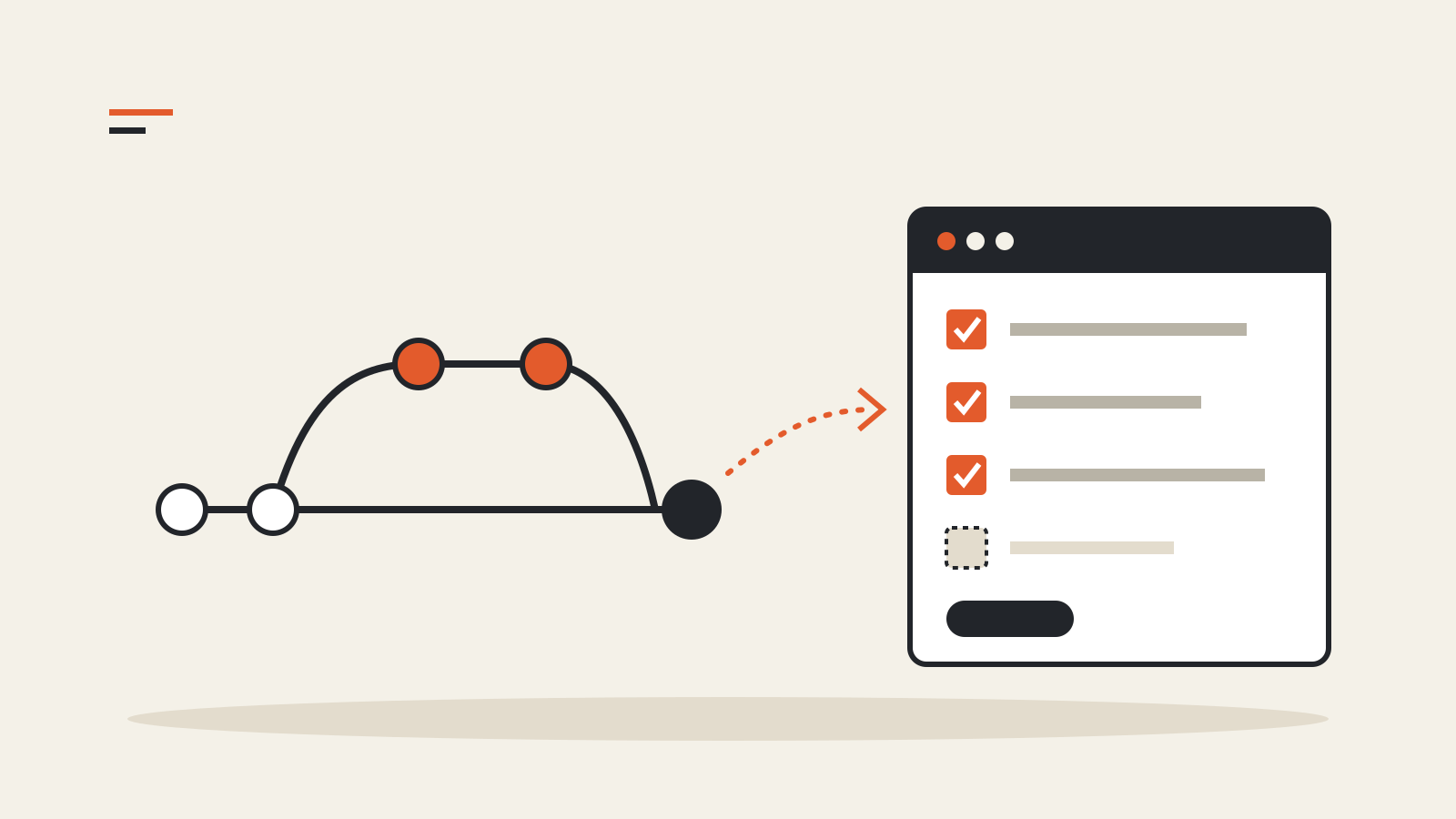
Entire Opens Its Git Forge, Swapping Pull Requests for Trails
Entire's Git forge is open to all developers, with agent-scored Trails instead of pull requests.
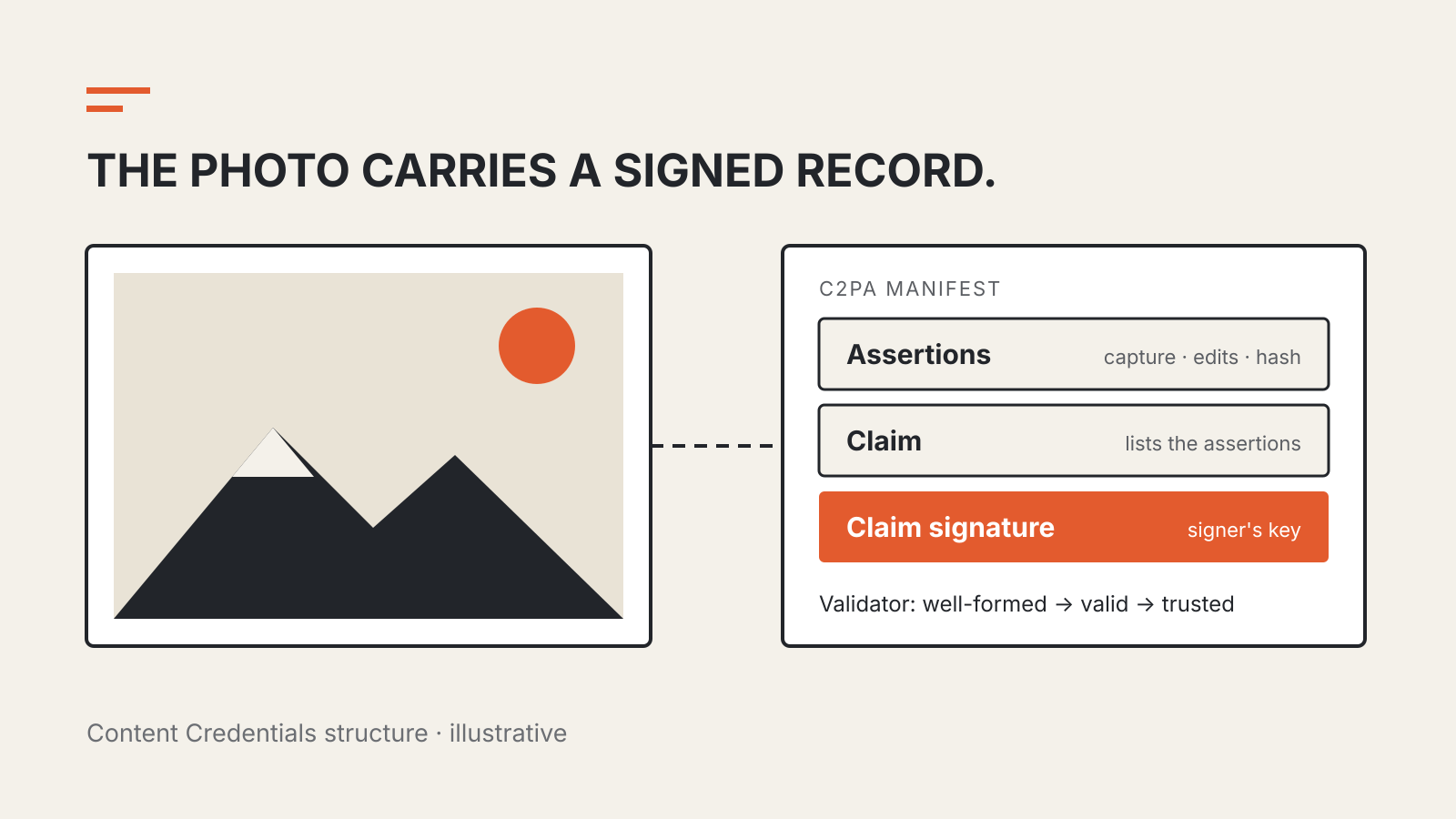
Content Credentials Explained: What a C2PA Label Proves
What a signed C2PA record on an image or video contains, what valid and trusted mean, and what it cannot prove.
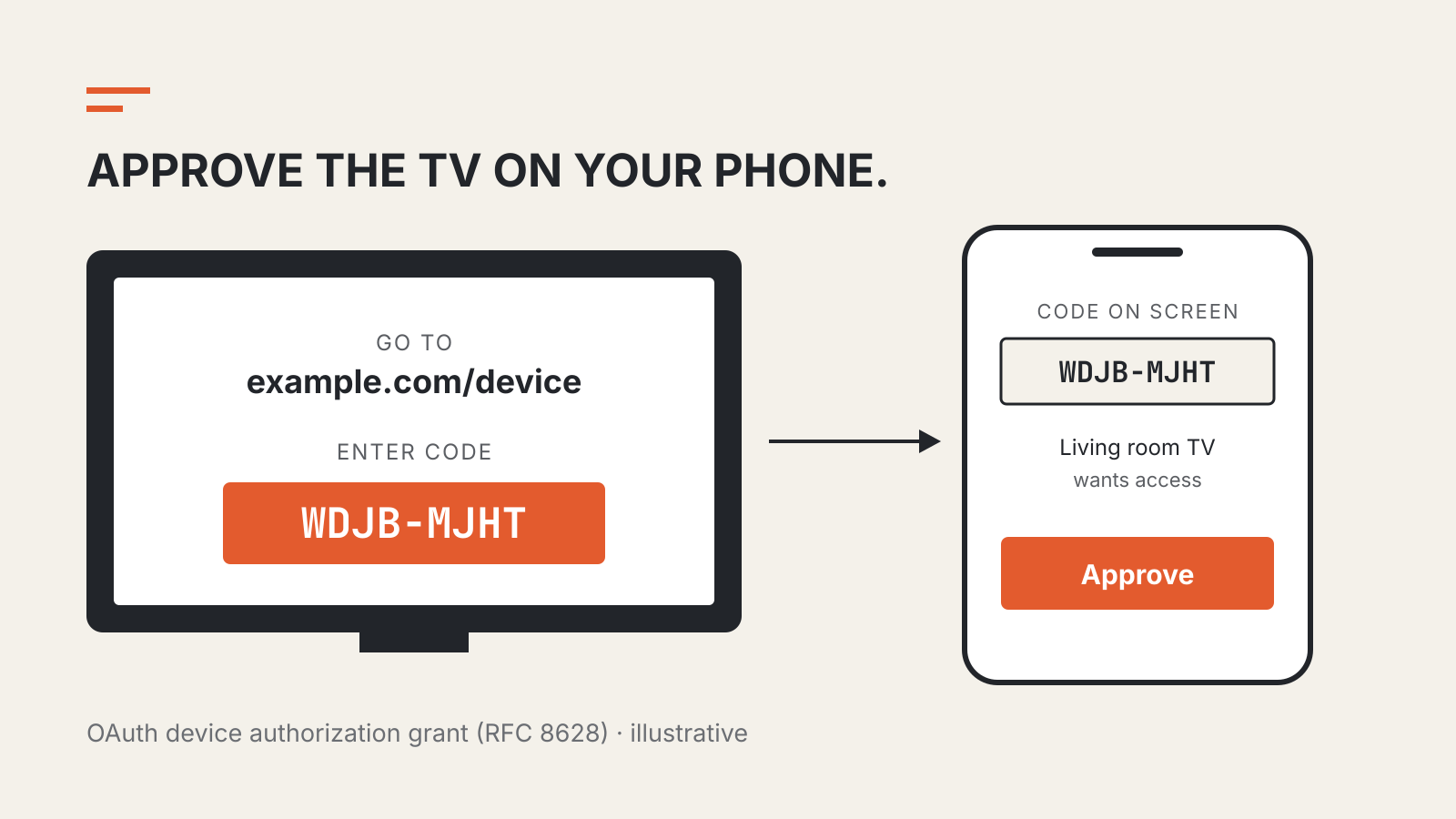
Device Code Flow Explained: Why a TV Shows a URL and Code
Why TVs show a URL and short code, how OAuth approval works and which phishing check matters.
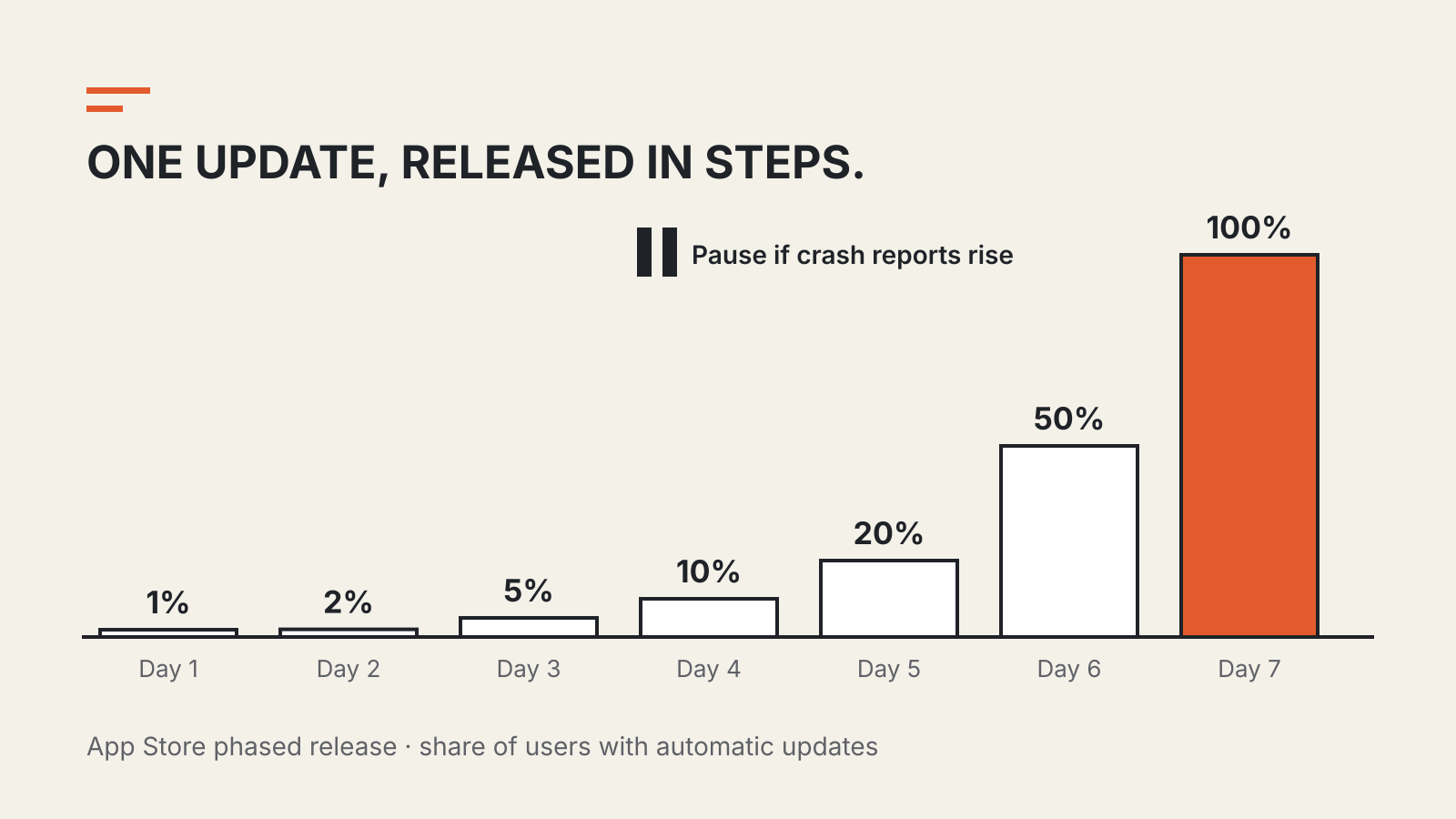
Staged Rollout Explained: Why an App Update Reaches You Days Later
A release announcement and your device's update are different events. Staged rollouts explain the gap.
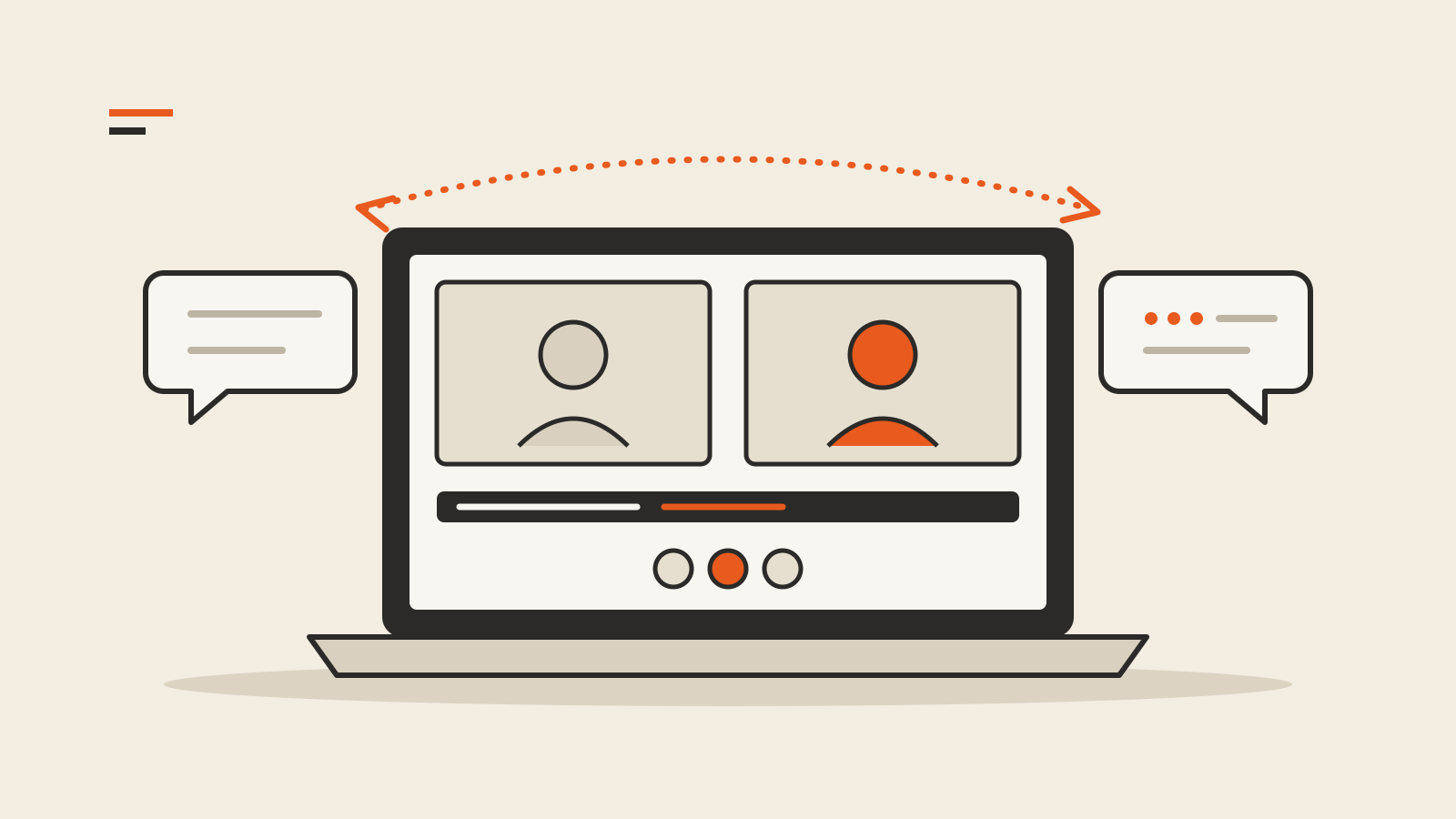
Google Meet Speech Translation Expands to 63 Languages
Meet now detects the spoken language and translates between any of 63 languages, set per participant.
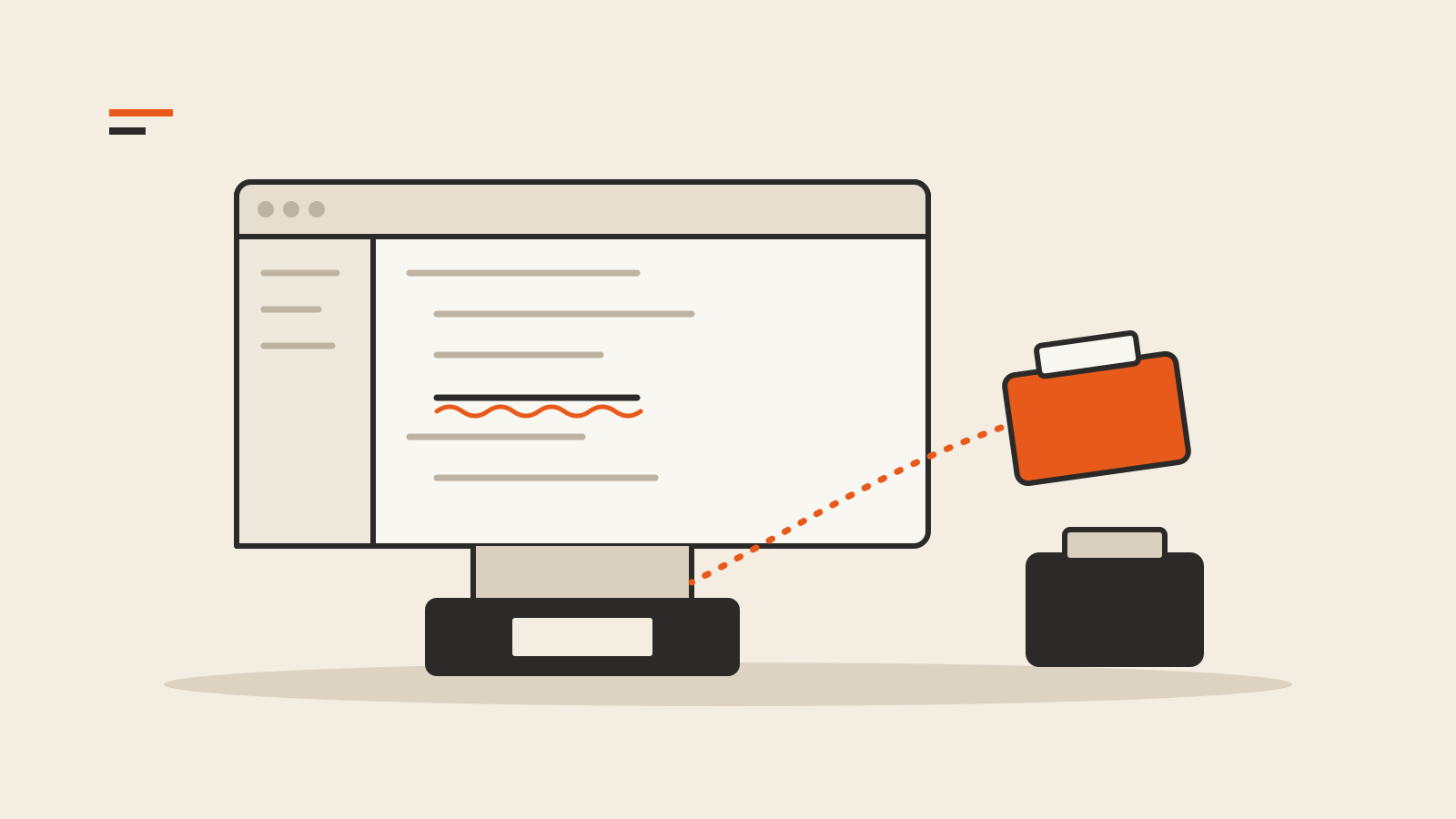
Pylance Adds Pyrefly Support Through New Type Server Protocol
A new Type Server Protocol lets Pylance in VS Code run Meta's Pyrefly as its type checker instead of Pyright.

Prompt Injection Explained: When an AI Tool Obeys a Stranger
How text in an email, page or file can redirect an AI tool, and which controls limit the damage.
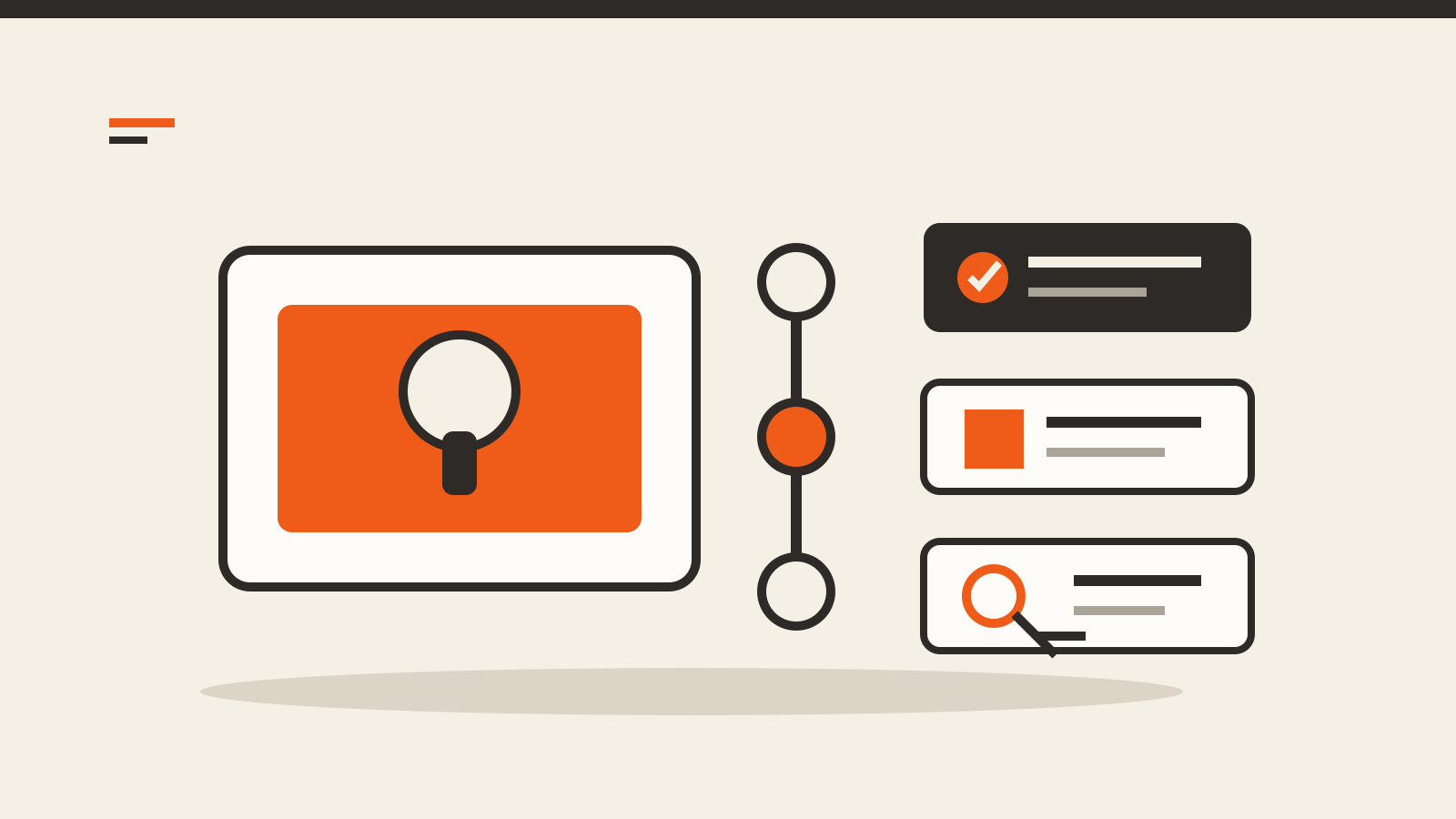
What to Do If Your Password Manager Is Breached
Password manager breach response: secure email, rotate key credentials, revoke sessions, and avoid phishing.
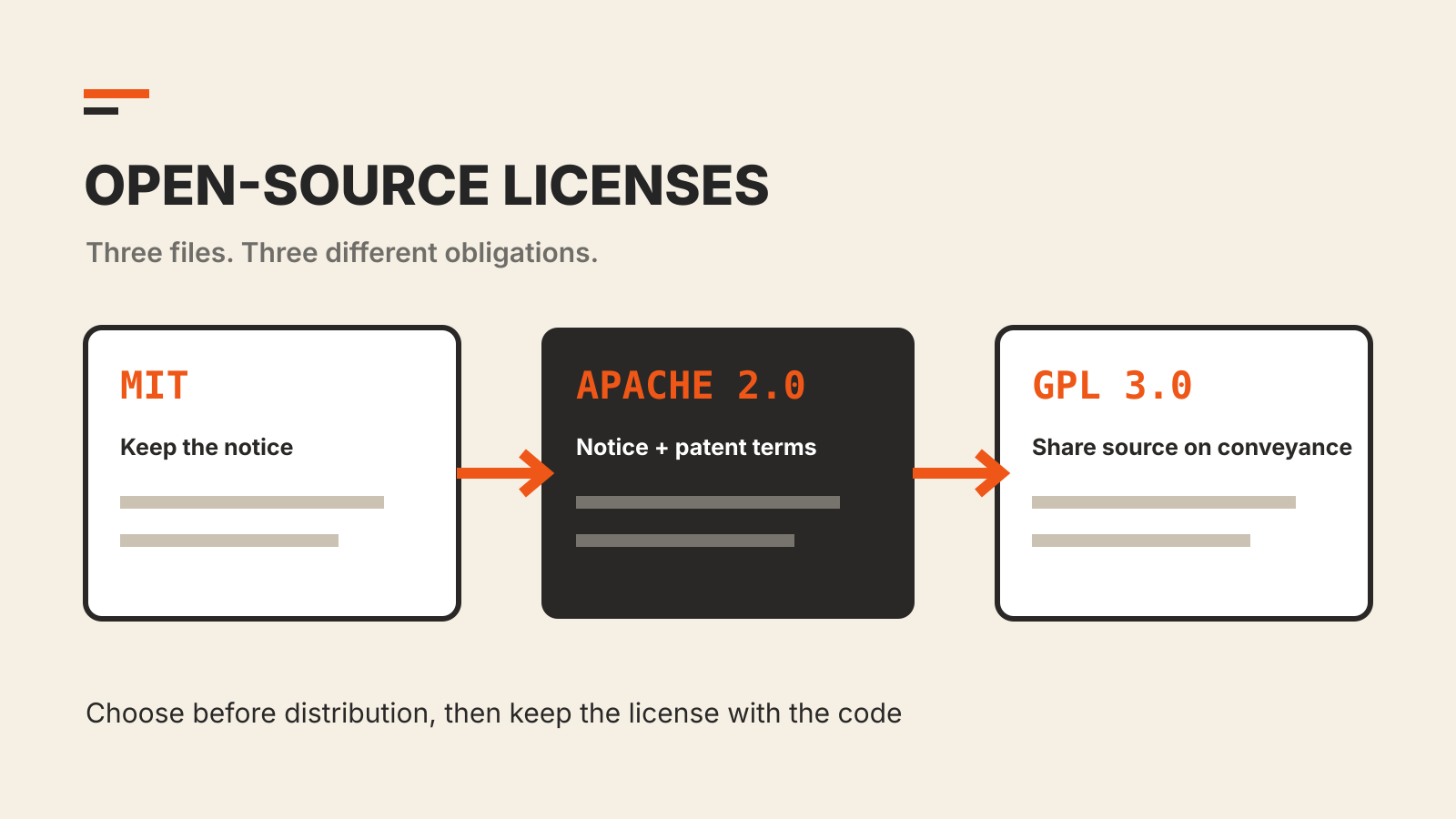
Open-Source Licenses: MIT, Apache 2.0 and GPLv3
MIT, Apache 2.0 and GPLv3 all allow commercial use, but they attach different conditions when software is distributed.

Retrieval-Augmented Generation Explained: How AI Answers From Your Documents
How RAG tools search your documents before answering, and how to check what they say.
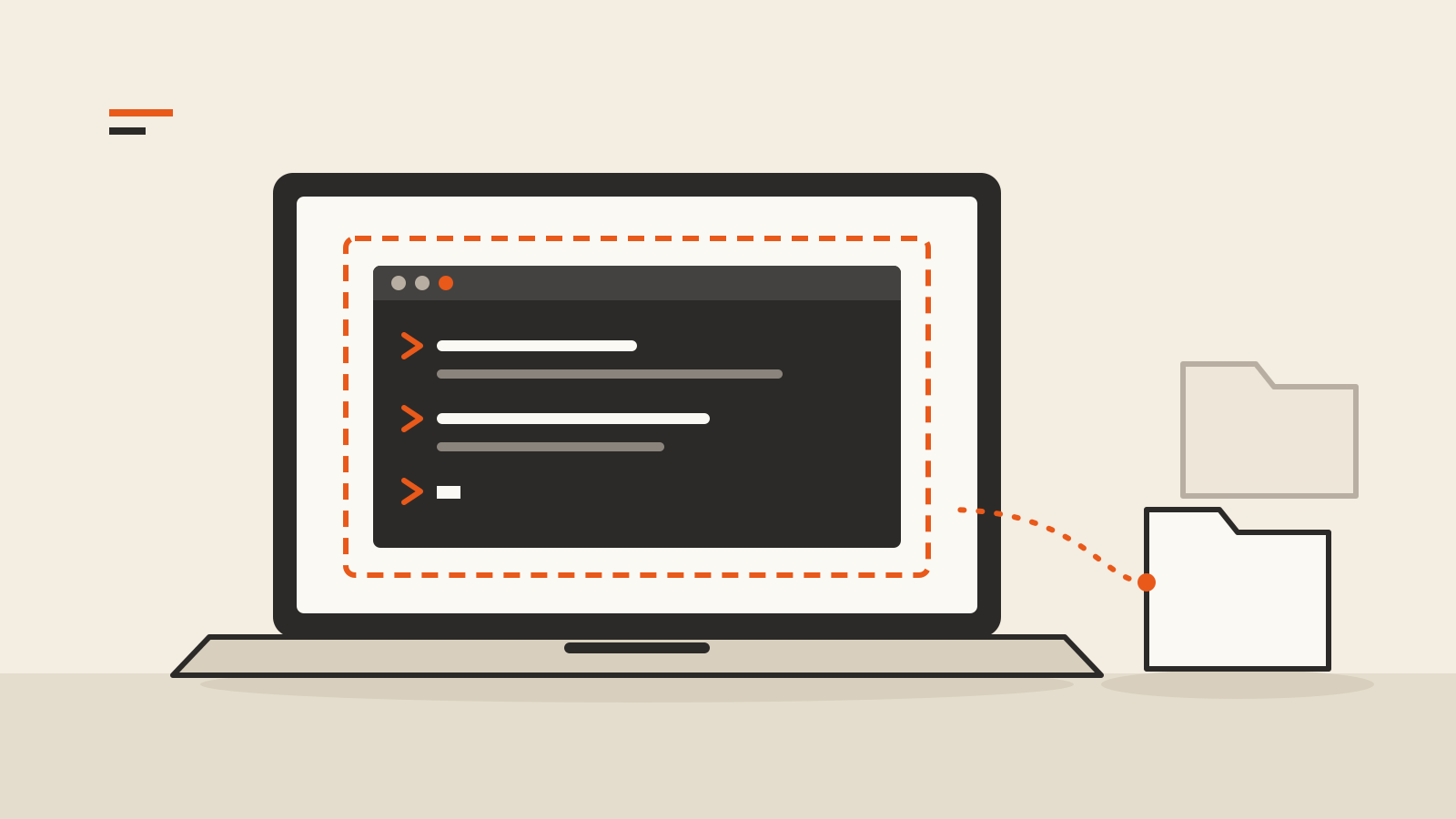
Googlebook Linux Terminal Preview Puts AI Agents in a Sandboxed VM
Google's Googlebook Linux terminal preview runs commands, and AI agents given sudo, inside a Debian VM.

Two-Factor Authentication Methods Compared: SMS, Apps and Security Keys
SMS codes, app codes, push prompts and security keys compared, and which one stops a fake login page.

Context Window Explained: What an AI Tool Can Keep in View
What fills an AI tool's context window, how tokens are counted and why long chats lose track.
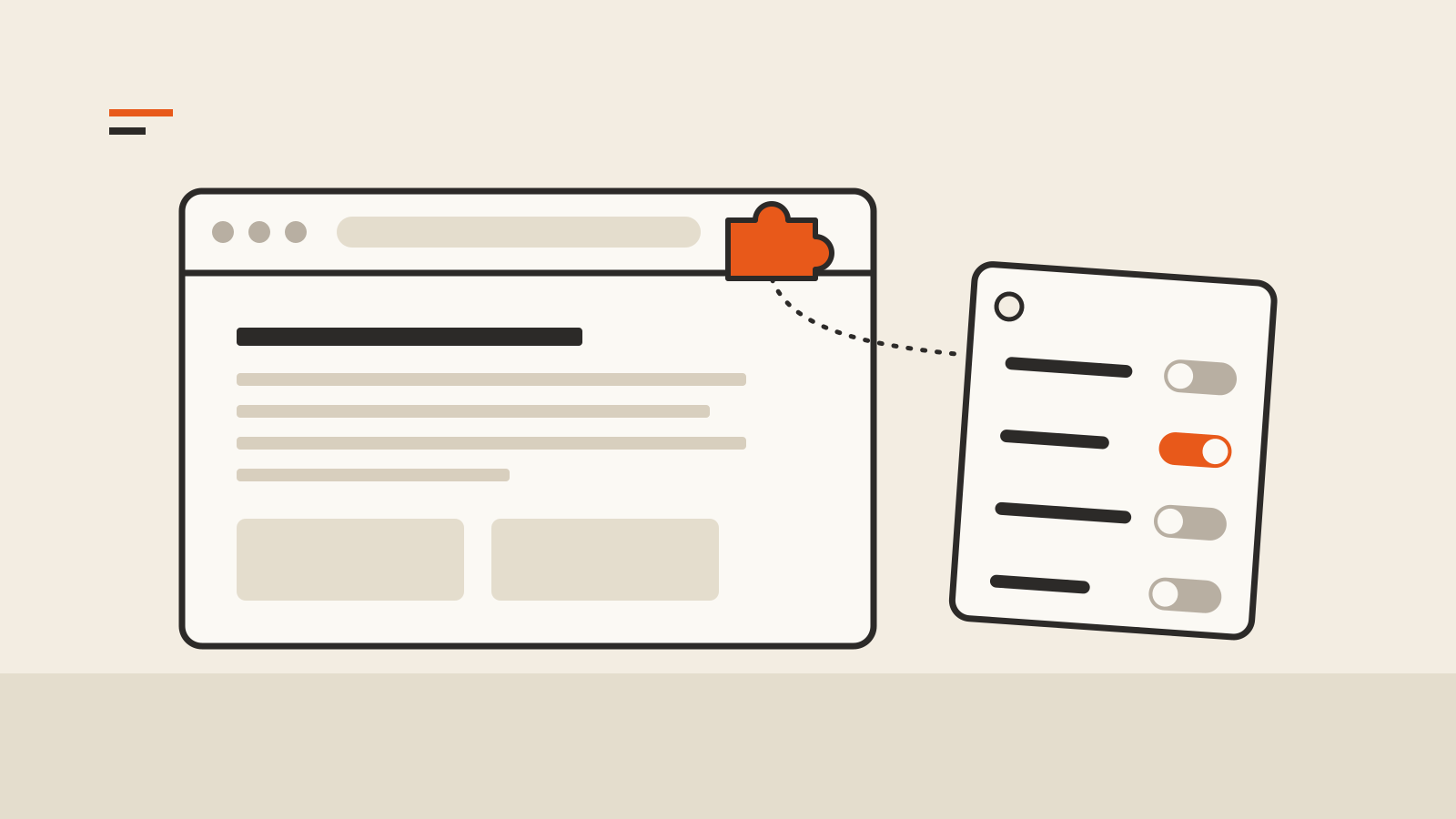
Browser Extension Permissions to Check Before You Install
Which extension warnings reach furthest, how to limit site access, and what to check when an update asks for more.
Why AI Hallucinates: The Mechanics Behind Confident Wrong Answers
How AI tools learn and how they are scored push them to guess. Where the errors come from and how to catch them.

Browser Release Channels: Stable, Beta, Dev and Canary
What Stable, Beta, Dev, Canary and Nightly channels mean, and how to test them without risking daily work.
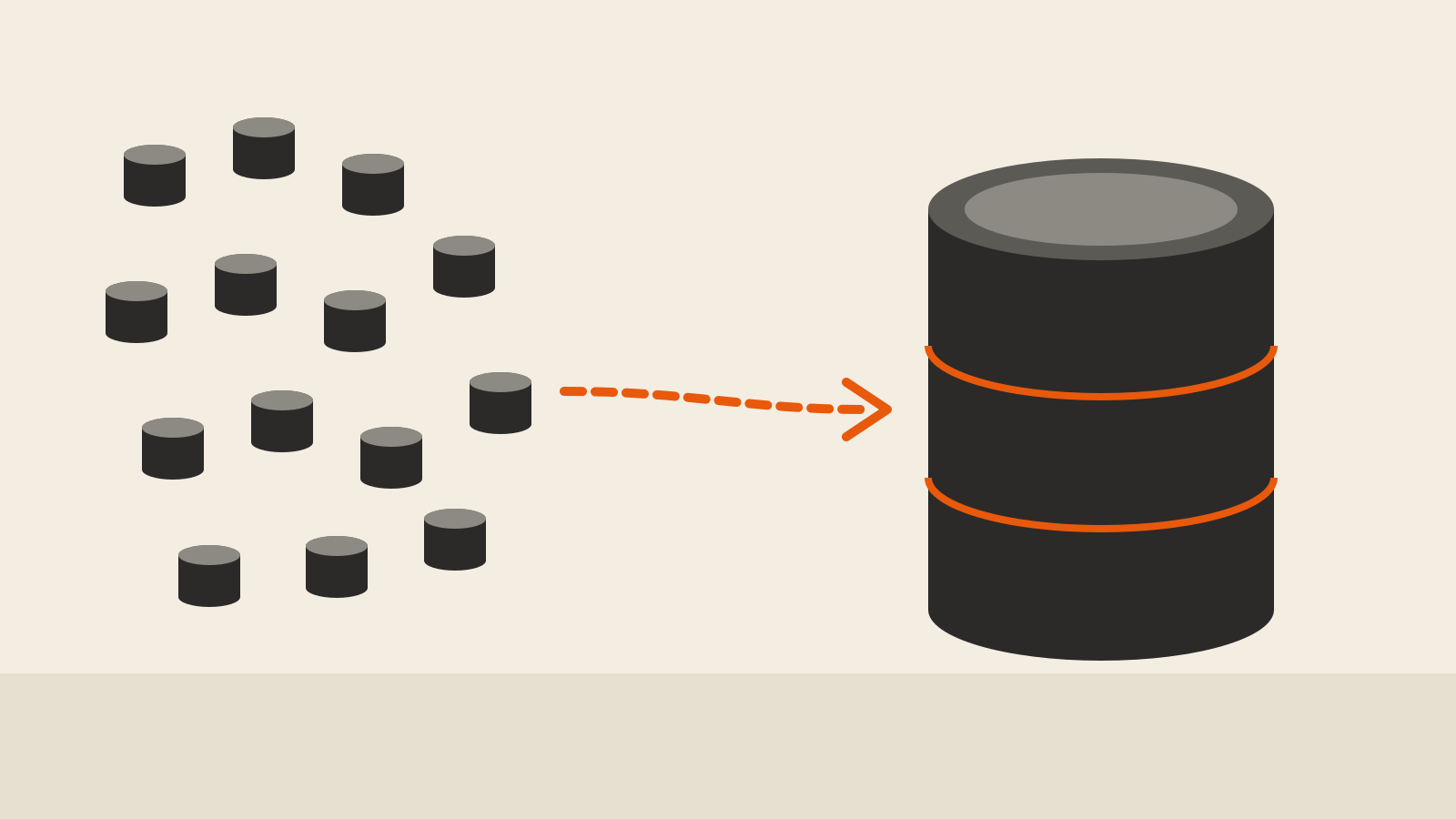
Supabase Announces Turso Acquisition and $150 Million Raise
Supabase is buying Turso, maker of a Rust rewrite of SQLite, and raised $150 million in a round led by GIC.
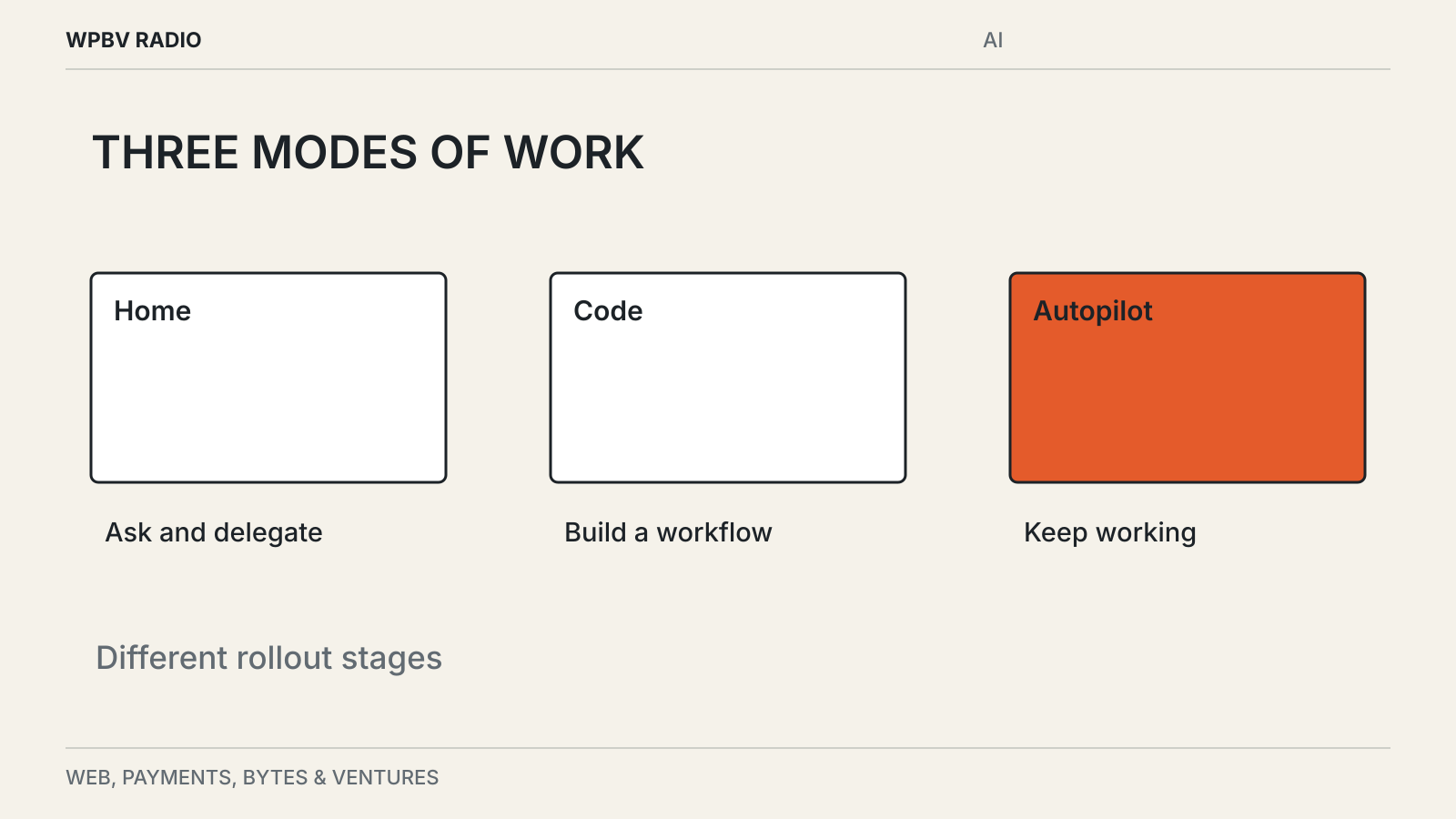
Microsoft Introduces Copilot Home, Code and Autopilot
The new experiences have different rollout schedules, with Autopilot still in private preview.

Before You Give an AI Agent Access to Your Inbox
Reading mail and sending it are different permissions. Start with the job you actually want done.