MetaMask announced general availability of its payment card across the United States on February 26, including New York for the first time. The card connects assets held in a MetaMask wallet to Mastercard purchases. The rollout also introduces a Metal option with a $199 annual subscription, according to the launch announcement.
The company’s release identifies Cross River Bank as the card issuer and says enrollment requires identity verification and compliance checks. Self-custody of the connected assets does not remove the card program’s onboarding requirements.
The wallet balance meets an ordinary card purchase
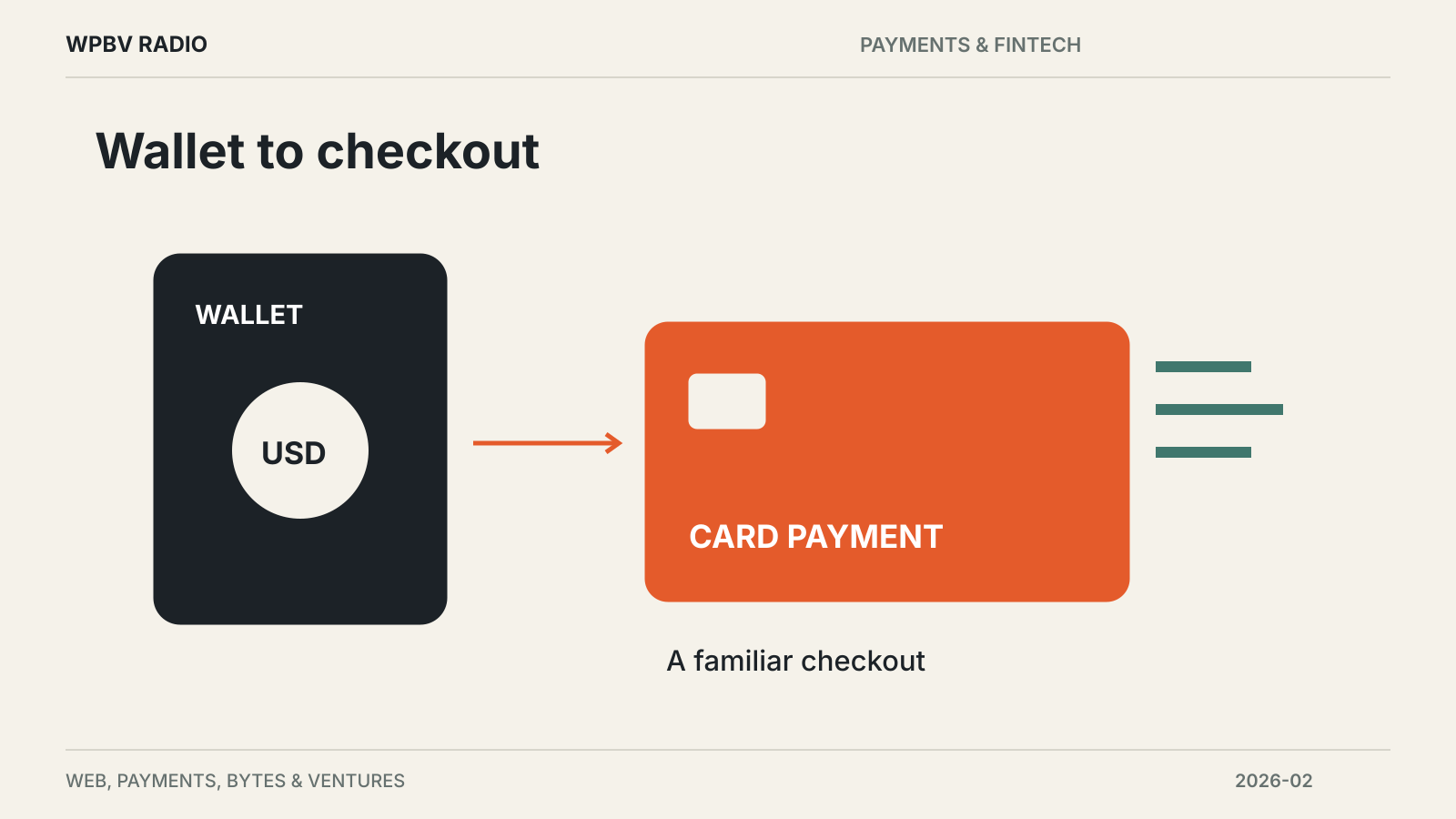
MetaMask describes a setup in which users retain control of their assets until payment, without first loading funds into an exchange account. Authorization and conversion then connect the wallet balance to the card transaction.
The merchant receives a purchase through the card network. That is a different experience from asking a merchant to accept a direct blockchain transfer, and helps explain why broad card acceptance can coexist with a crypto-funded wallet.
The announcement lists online and in-store use, including Apple Pay and Google Pay. Eligibility and the assets supported by the card program still matter; linking a wallet should not be read as a promise that every token in it can fund a purchase.
The premium tier has a cost and a reward limit
MetaMask’s launch terms describe rewards of up to 1% in mUSD for standard cardholders. Metal cardholders are offered up to 3% on the first $10,000 spent per year, alongside the annual subscription.
Those figures need to be considered together. A higher advertised reward rate is only one part of the product’s economics when an annual fee and a spending limit apply. Users should check the program’s terms for eligible purchases and other conditions before treating the headline rate as the return on all spending.
The expansion follows a US pilot and extends the card’s existing international availability. It moves wallet-based spending closer to a familiar checkout, while leaving users with both wallet permissions and card-program terms to understand.
Read more about those payment systems at the Payments & Fintech desk.