OPAQUE announced version 3.0 of its platform on June 23, alongside Agent Manifest and Confidential MCP. The company aims to give organizations verifiable evidence of which agent ran, which permissions applied and what actions it performed. Agent Manifest is released as open source, while general availability of the broader platform is planned for July.
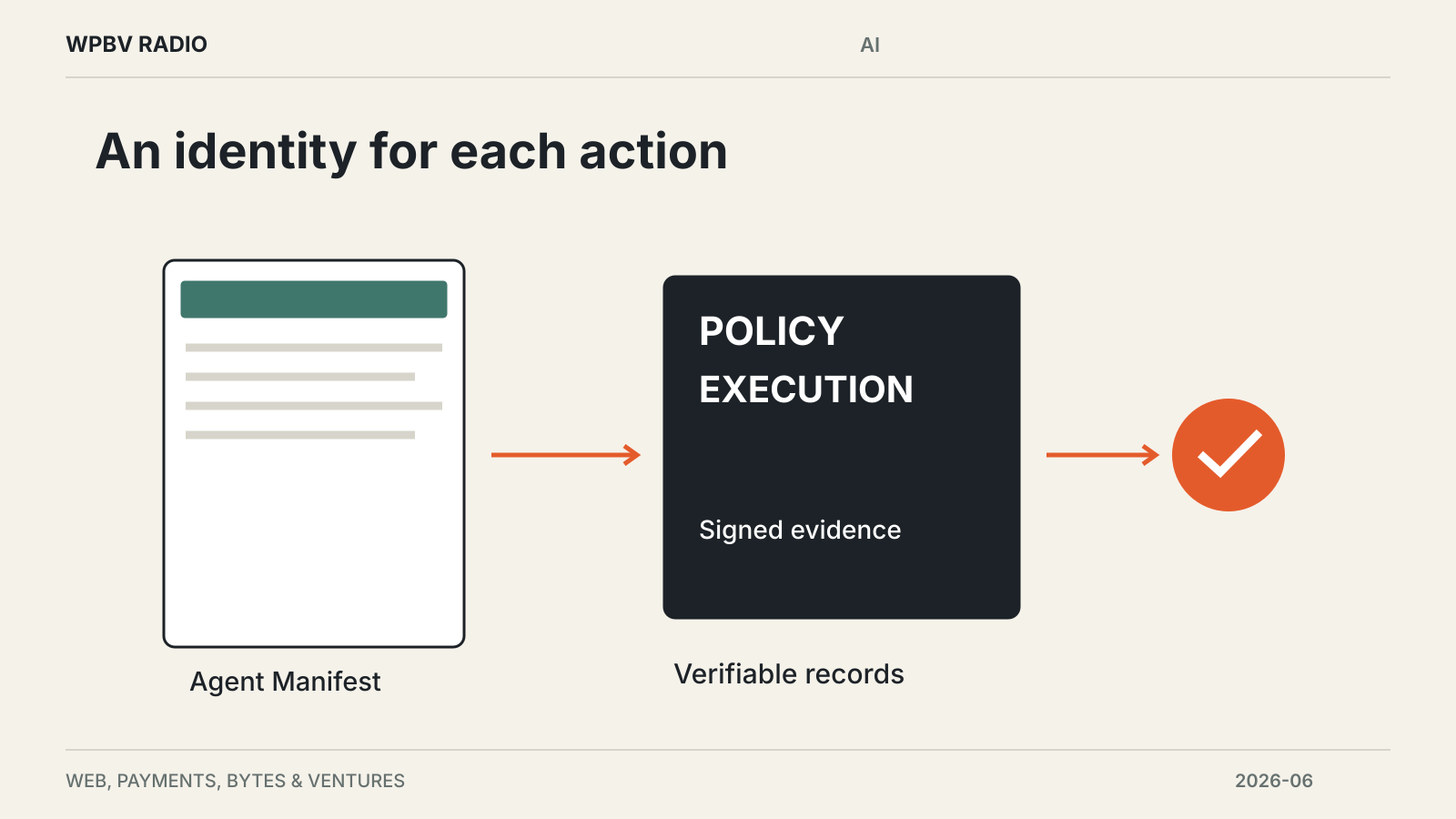
The announcement builds on the Agent Governance Toolkit. It brings identity, policy and execution records together for organizations whose agents interact with sensitive information and external systems.
Agent identity needs more than a name in a log
A log entry can record that an agent called a tool. It does not necessarily establish which software configuration produced the call or whether that configuration was approved.
OPAQUE says Agent Manifest links an agent to its resources, approvals and governing policies, with cryptographic verification of runtime integrity. The intended result is a way to detect when the running agent differs from the one an organization authorized.
Confidential MCP extends that approach to Model Context Protocol tool interactions. According to OPAQUE, it runs inside the company’s confidential runtime and produces evidence of tool calls while enforcing governance rules.
Execution evidence has a specific scope
The announcement describes hardware-rooted protection and signed records that another party can verify. Those mechanisms address questions about the execution environment and policy enforcement.
They do not, by themselves, establish that an agent’s answer is accurate or that the policy chosen by an organization is suitable. A verified record of an action and a judgment about whether the action was useful remain separate parts of oversight.
OPAQUE identifies public-cloud, private-cloud and on-premises deployments among its intended environments. It also names the UAE’s Technology Innovation Institute as a founding partner for the standard.
The release timing is split: open-source components and developer access are described in the June announcement, while general platform availability is scheduled for July. An organization evaluating the offering should confirm which part is available for the deployment it has in mind.
The AI desk follows both agent capabilities and the tools used to manage them.