
Oxide Computer Company announced a $445 million Series D on October 9, led by Eclipse, to pay for the components and factory capacity behind a backlog of orders for its rack-scale computers. The company says it turned profitable earlier this year and that demand for its on-premises cloud systems still runs ahead of what it can build.
Existing investors US Innovative Technology Fund (USIT), Riot Ventures and Jane Street took what Oxide calls “big pieces” of the round, with Friends and Family Capital and Counterpart also joining, according to the company’s own post, Our $445M Series D. Atreides Management and AMD Ventures are new investors. Neither the post nor Oxide’s press release gives a valuation.
Why a profitable company raised
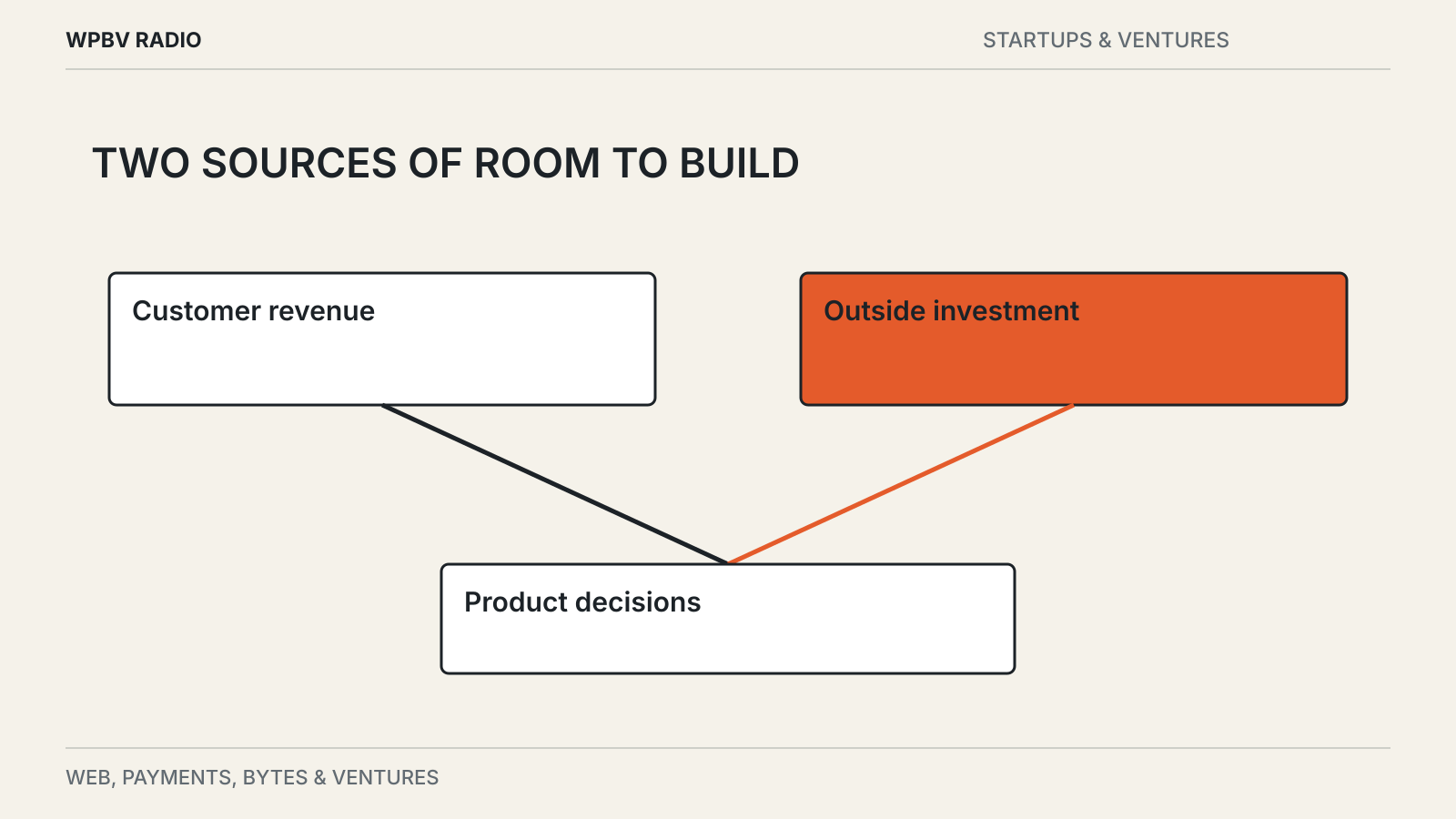
The unusual part of this round is the reason given for it. Co-founders Steve Tuck and Bryan Cantrill write that ordinary operations, “selling computers”, produced taxable income in the spring after the cost of components, manufacturing and salaries. Most startups raise because they are losing money. Oxide says it raised because it is selling more hardware than it can pay for in advance.
A hardware maker has to buy parts and pay for manufacturing well before a finished rack reaches the customer. Oxide says that between its Series B, its Series C, its debt facilities and its own cash flow it could have filled the current backlog, but would have had to be careful about taking new orders. The Series D, in its words, lets it “satisfy our substantial backlog while continuing to accept new demand, expand manufacturing capacity, and invest for the enduring company.”
Tuck put a number on the growth in the release: “The accelerating pace of on-prem cloud computing projects has required us to scale manufacturing capacity by 20x over the past 12 months, and yet demand still exceeds supply.” That is the company’s own figure; Oxide has not published revenue or unit numbers.
The round comes eight months after the $200 million Series C of February 5, which the founders said was raised from existing investors to remove capital risk and protect the company’s independence from an acquirer.
What Oxide sells
Oxide builds what it calls the Cloud Computer: a full rack in which compute, storage, networking and the software that manages them are designed together, with the software released as open source. The idea is to give a company the self-service and automation of a public cloud inside its own data center, while it keeps ownership of the machines, its data and its costs. The release names customers in financial services, government, national laboratories and aerospace.
AMD’s stake has a practical history. The founders write that one of Oxide’s first big bets was on AMD EPYC processors, and that AMD’s support helped them build their own platform enablement software. The release calls AMD’s stake a strategic investment.
Both Oxide and Eclipse tie the demand to AI agents. Eclipse partner Seth Winterroth says in the release that as AI “shifts from generating answers to executing work, demand for CPU-based systems is accelerating dramatically.” Cantrill, Oxide’s CTO, says the company “did not anticipate the explosion in compute demand from agentic AI.” Those are statements of the company and its lead investor about the market, not measurements.
What to watch
For buyers, the round answers a question Oxide’s founders said in their Series C post that customers ask directly: “How do I know you won’t be bought?” Their answer is more capital and a profitable business. The proof will be delivery. A rack ordered against a backlog is only useful once it arrives, and the stated purpose of this money is to build and ship those orders.
Owning hardware does not remove the failure modes that public clouds publish in their incident reports; it moves them in-house. Our guide to availability zones and regions covers the isolation questions any team should ask, wherever its machines sit.
For other 2026 rounds in developer tools, security and infrastructure, see the tech funding tracker.