
Latest
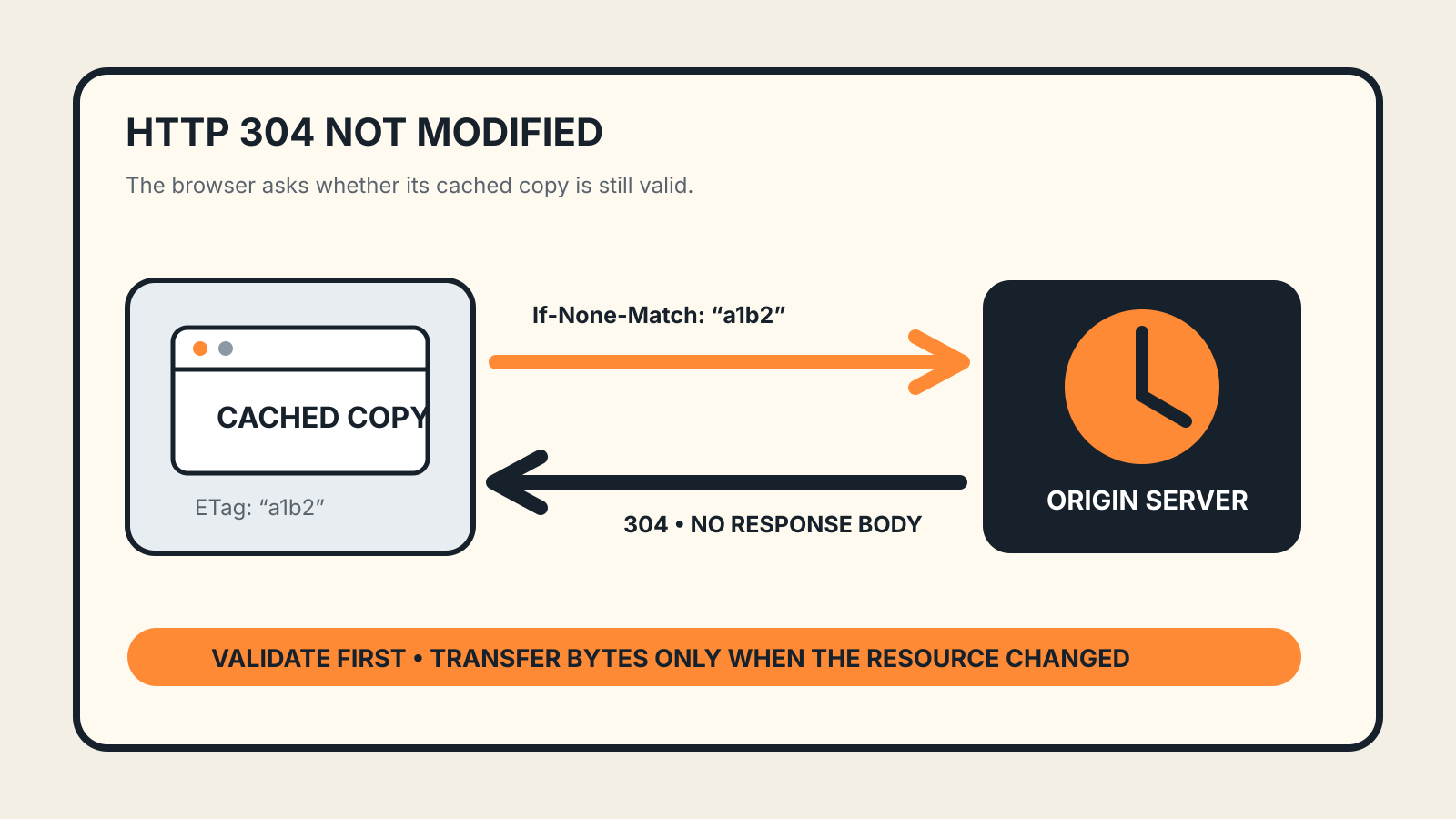
HTTP 304 Not Modified: How Cache Validation Works
How browsers validate cached responses with ETags, why 304 has no body, and when a server sends 200 instead.
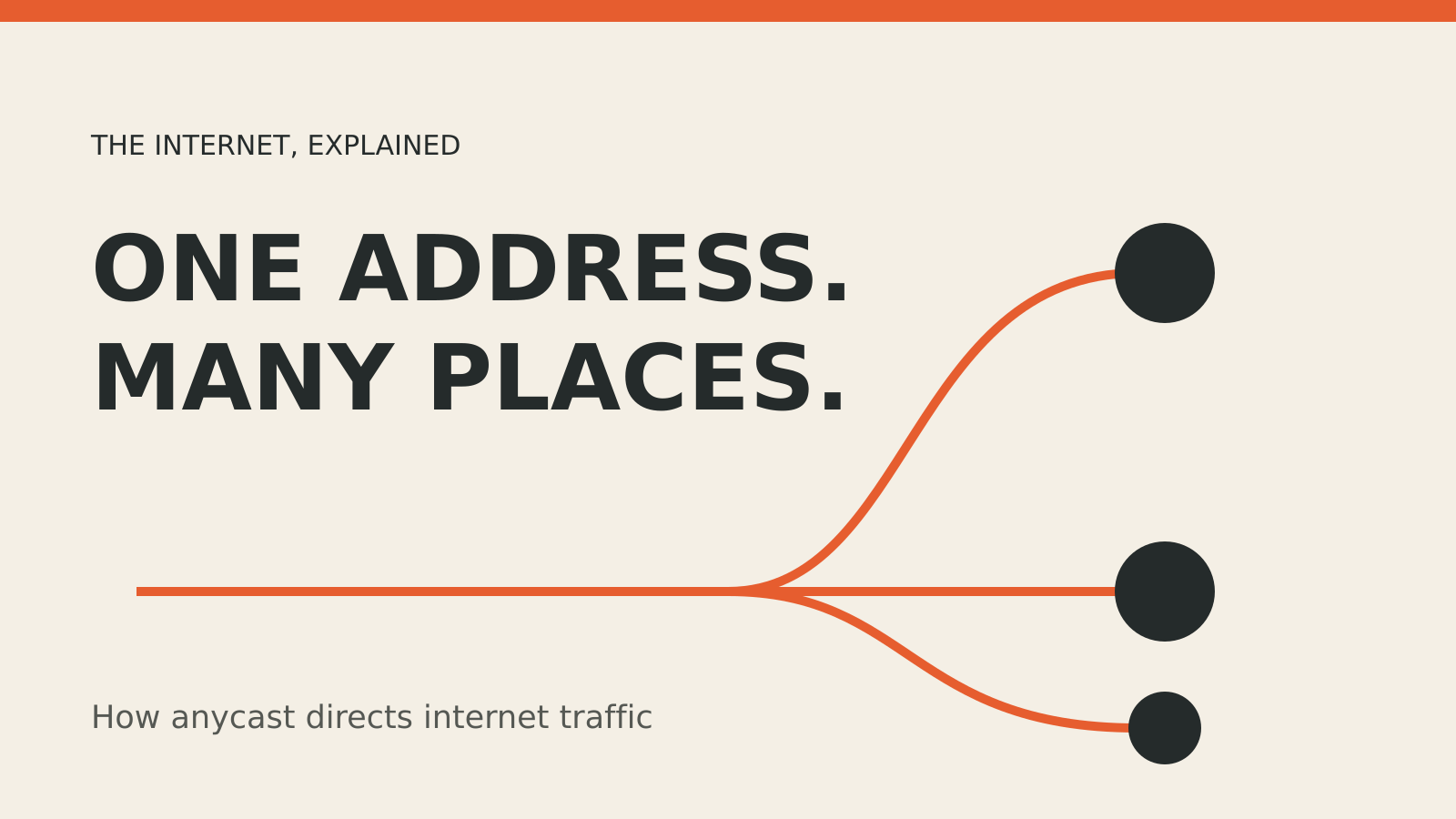
Anycast Explained: How One IP Address Reaches Many Places
How one IP address can route requests to servers in different locations.
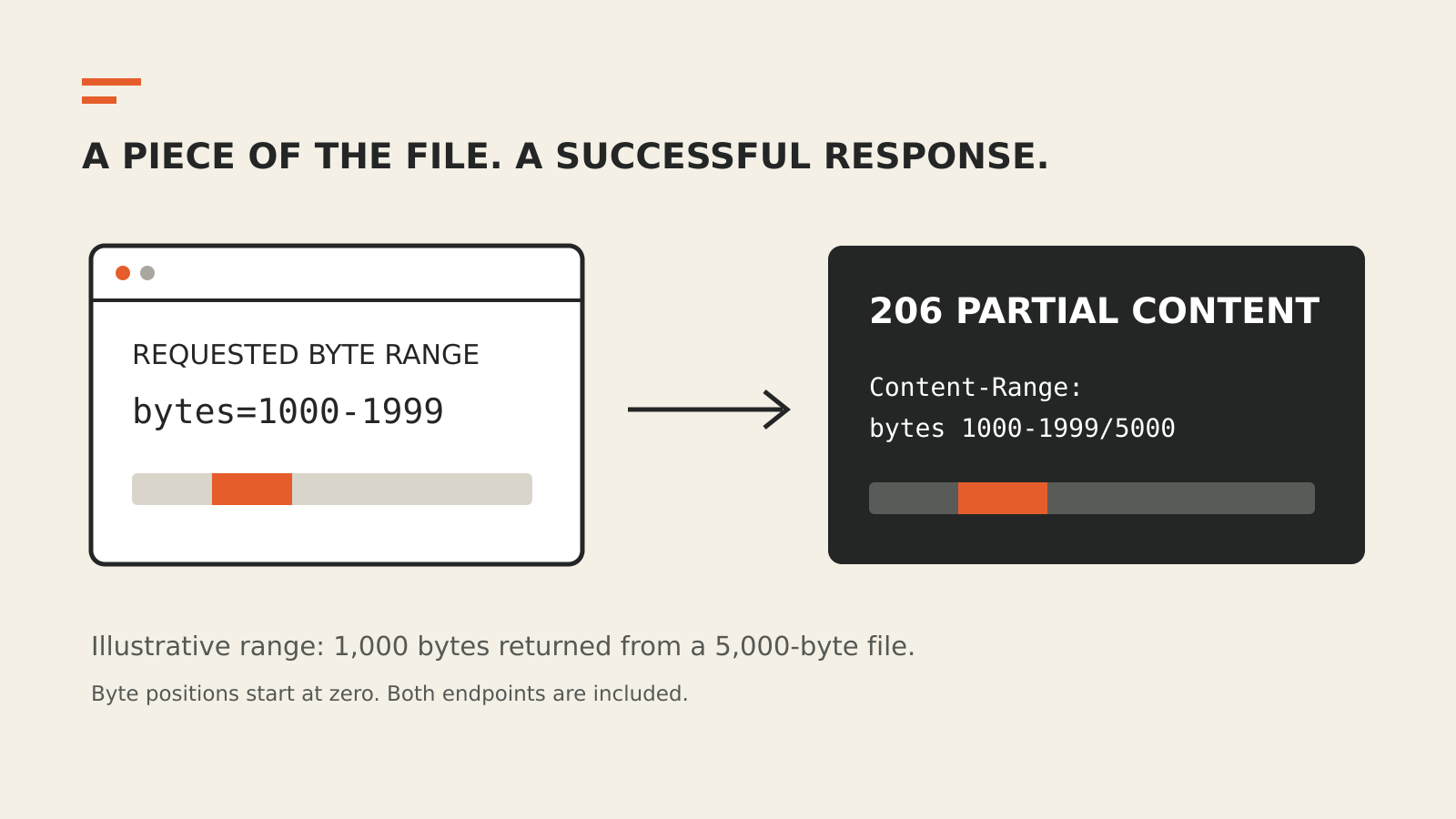
HTTP 206 Partial Content: How Downloads Resume
How byte ranges support resumed downloads, why 206 is successful, and what 200 or 416 means.
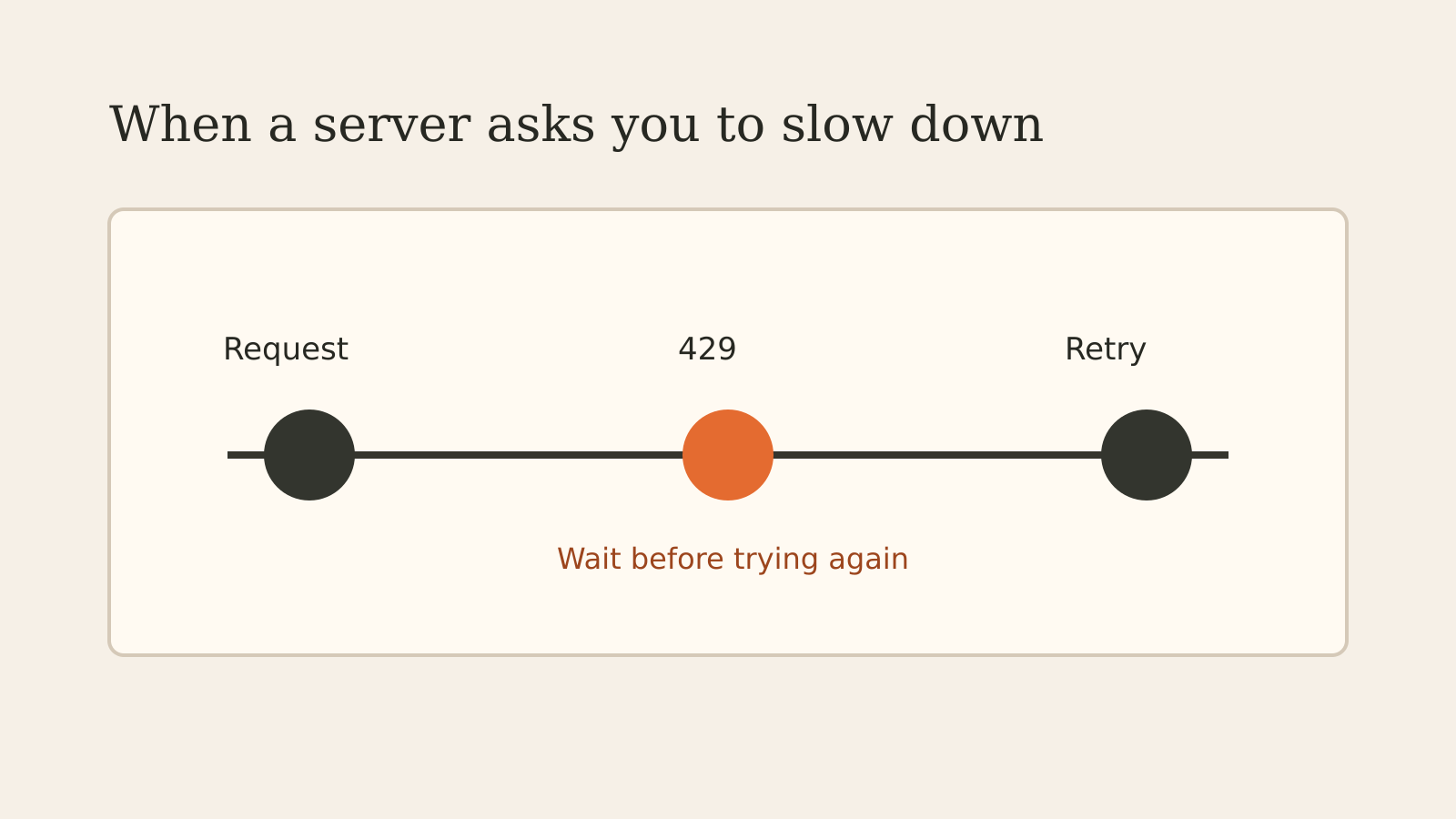
HTTP 429 Explained: Too Many Requests and Retry-After
A 429 response asks a client to slow down; Retry-After can say when to try again.
Cloudflare Radar Counts 49 Internet Disruptions in Q3 2026
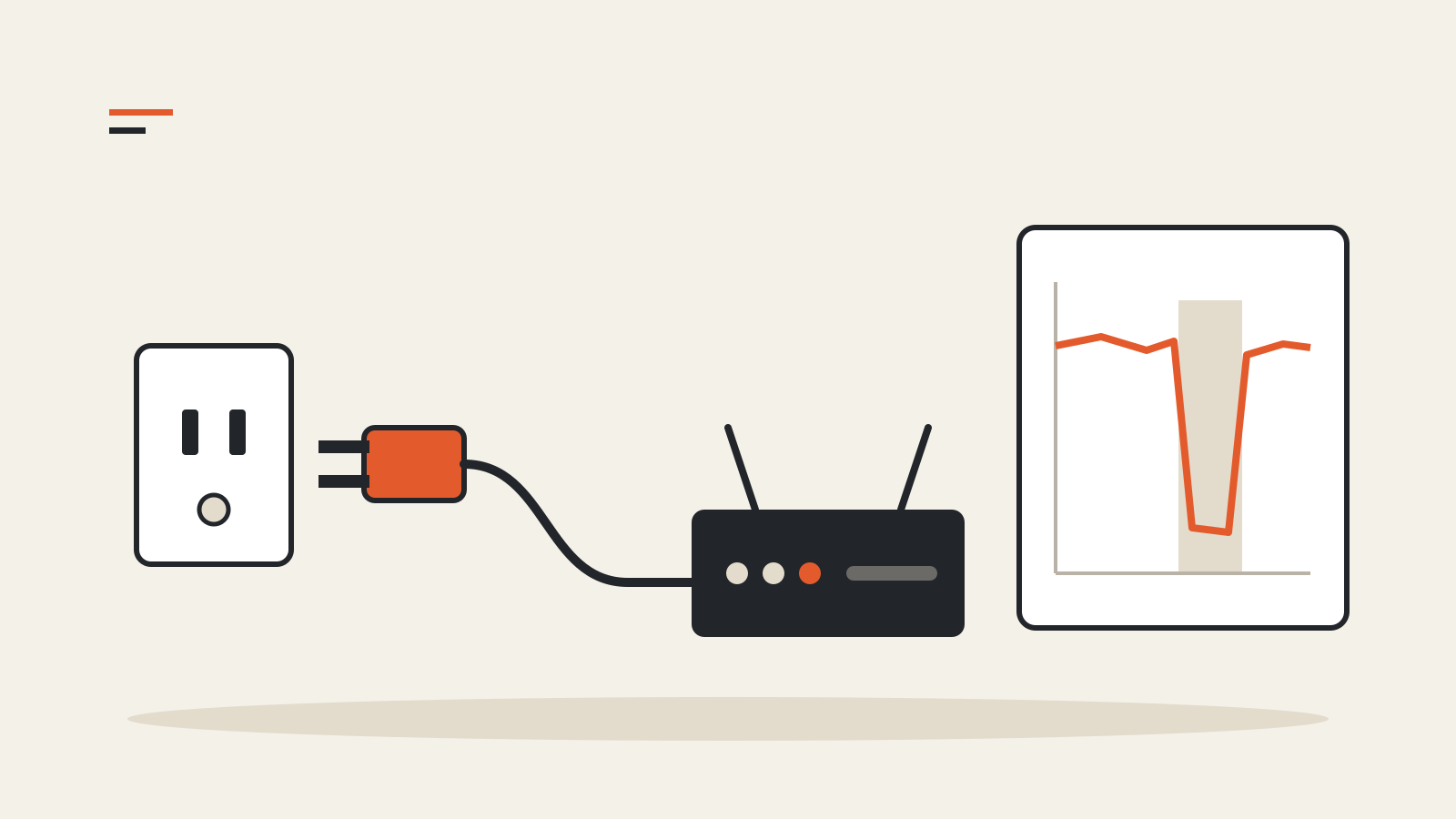
Cloudflare Radar logged 49 internet disruptions in Q3 2026, led by exam shutdowns and power failures.
Convertible Note vs SAFE: Interest, Maturity and Conversion
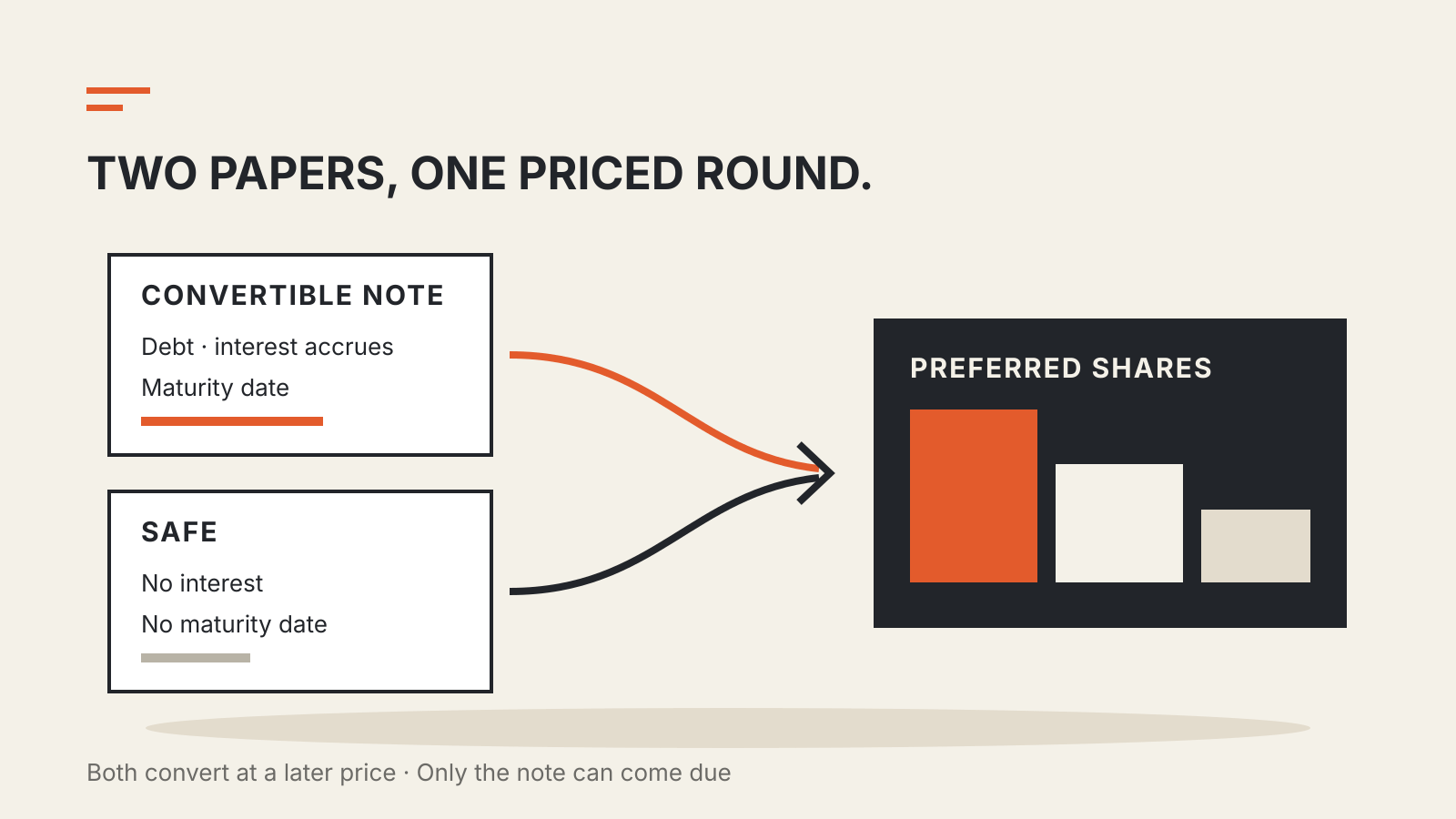
A note is a loan that can become shares; a SAFE promises shares later. What interest and a maturity date change.

Sundial Acquisition: Meta Buys AI Analytics Startup
Sundial's co-founders return to Meta to lead AI analytics tooling and agents. No price was disclosed.
SSL Certificate Expired: What Breaks and How to Prevent It
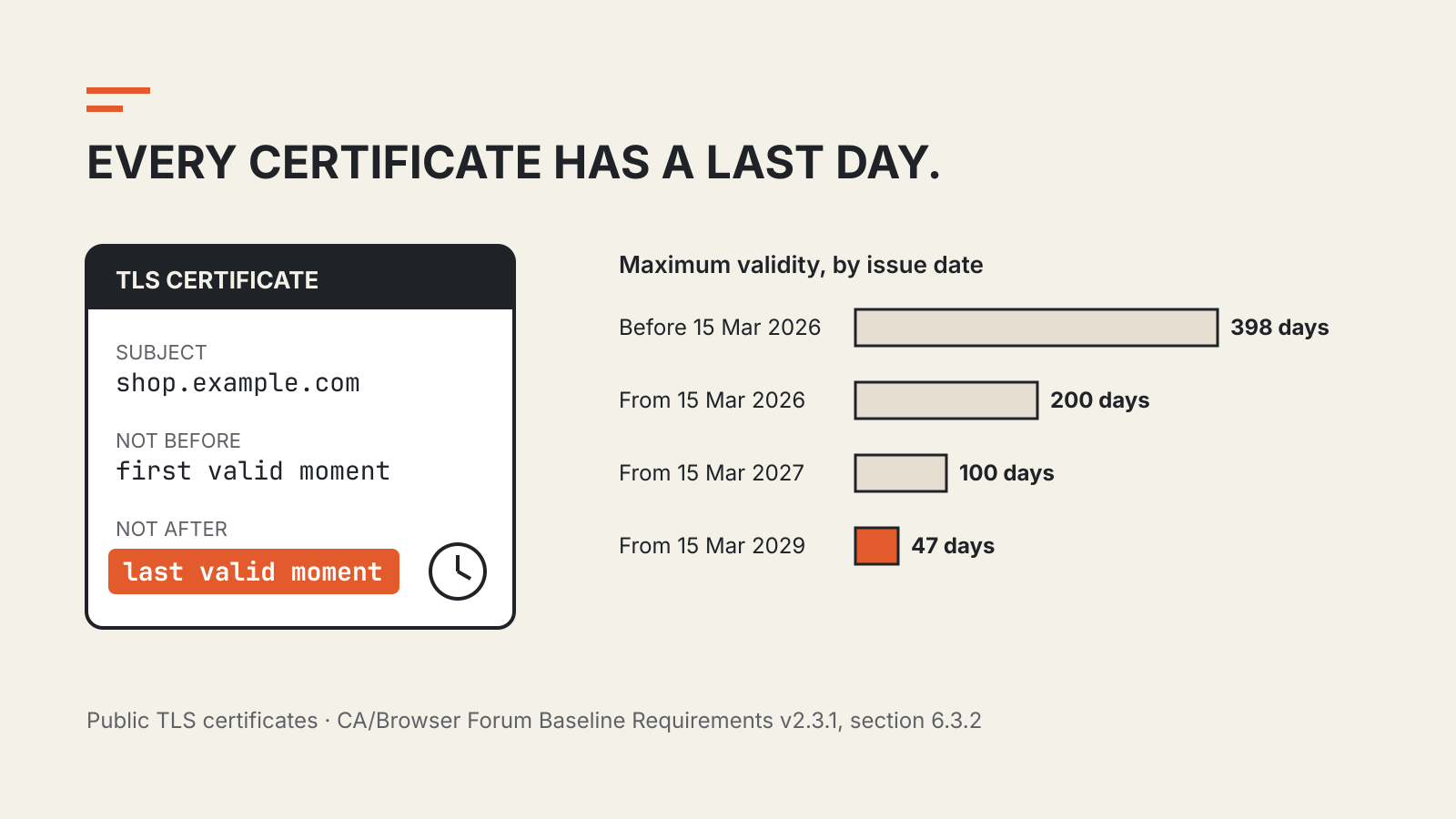
Why an expired SSL/TLS certificate breaks a site, how revocation differs and why renewal now has to be automated.
Tender Offers for Employees: Shares, Limits and Cash
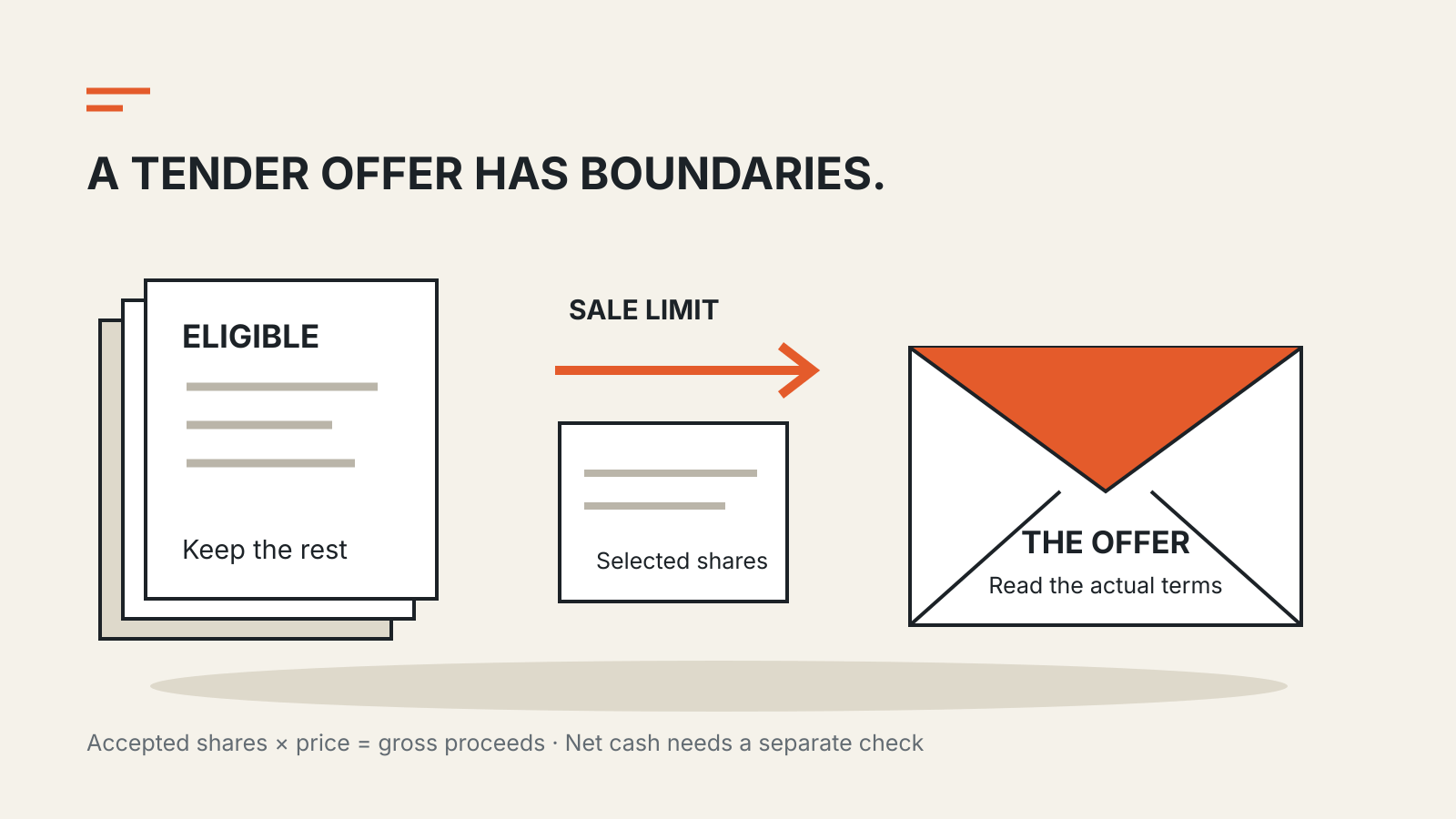
Check eligible shares, sale limits and deductions before treating an employee offer as cash.

eMudhra Certificate Compromise: Chrome Drops emSign Root on Oct. 27
Weak keys in eight eMudhra intermediates allowed forged HTTPS certificates. Chrome drops the root on October 27.
Salesforce Agrees to Acquire Braze for $5.66 Billion
Salesforce will buy customer engagement platform Braze for $47.50 a share in cash, about $5.66 billion.

Down Round Explained: Price, Dilution and Options
See how a lower share price changes ownership, investor rights and employee options.
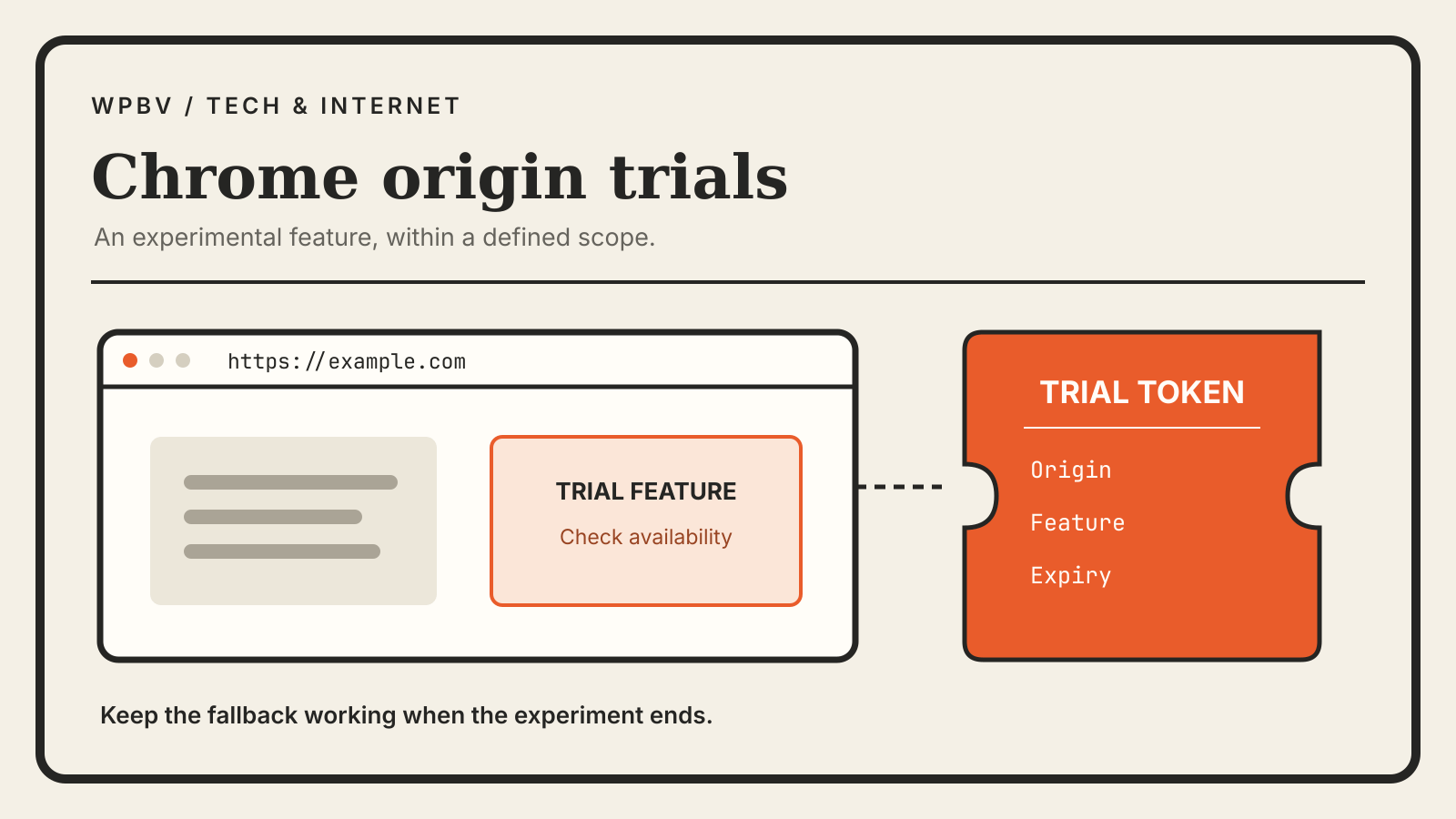
Chrome Origin Trials: How to Test Browser Features Safely
How trial tokens enable experimental browser features, and how to keep a usable fallback.

Startup Runway Calculation: Burn Rate and Cash
Calculate startup runway from cash and net burn, with worked numbers and a check for uneven payments.

Employee Stock Options Vesting: Cliff, Strike and Window
How the strike price, vesting cliff and exercise window decide what an option grant is worth, with worked numbers.
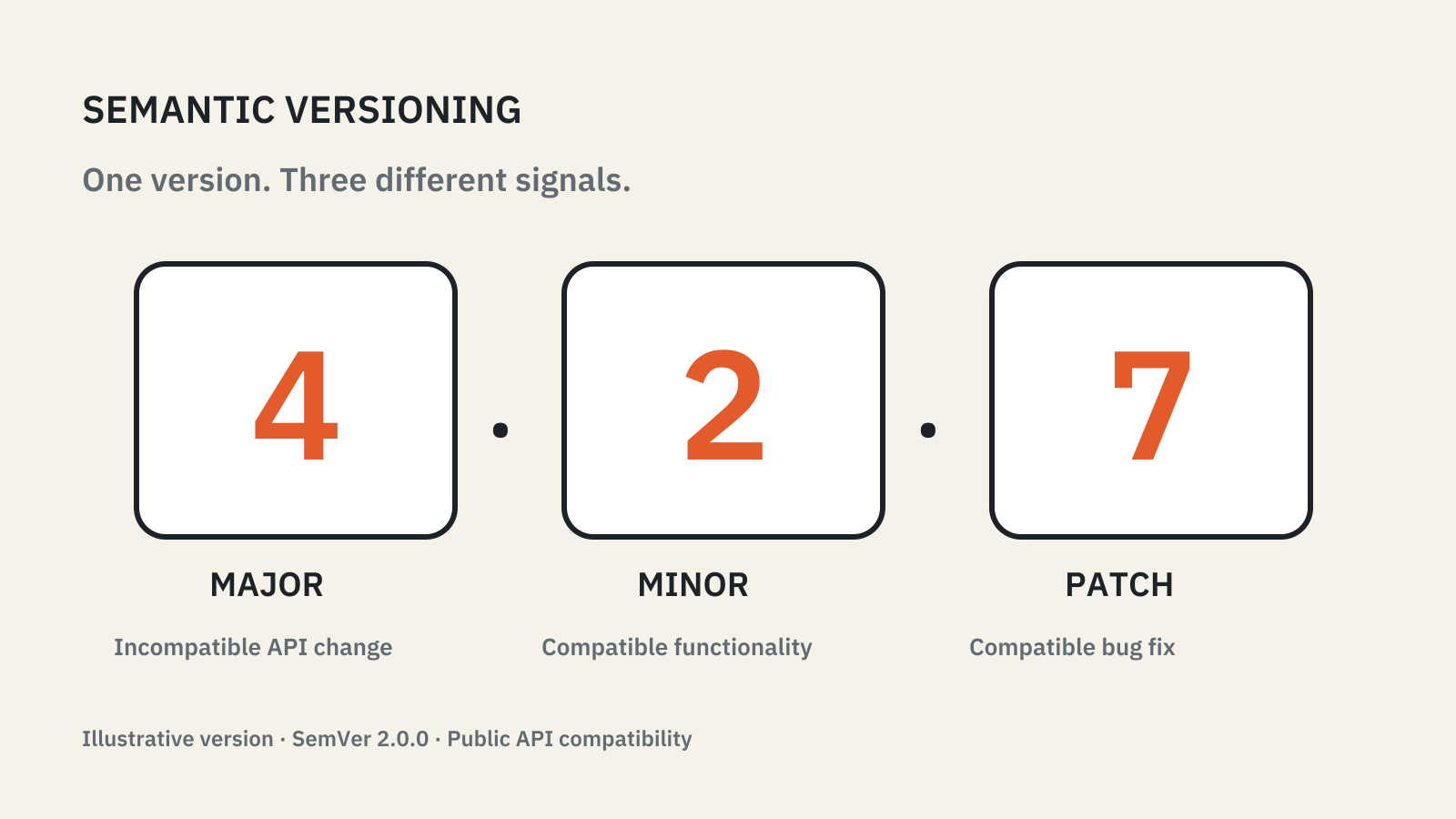
Semantic Versioning Explained: Major, Minor and Patch
Major, minor and patch describe API compatibility; your dependency range and lockfile decide what gets installed.
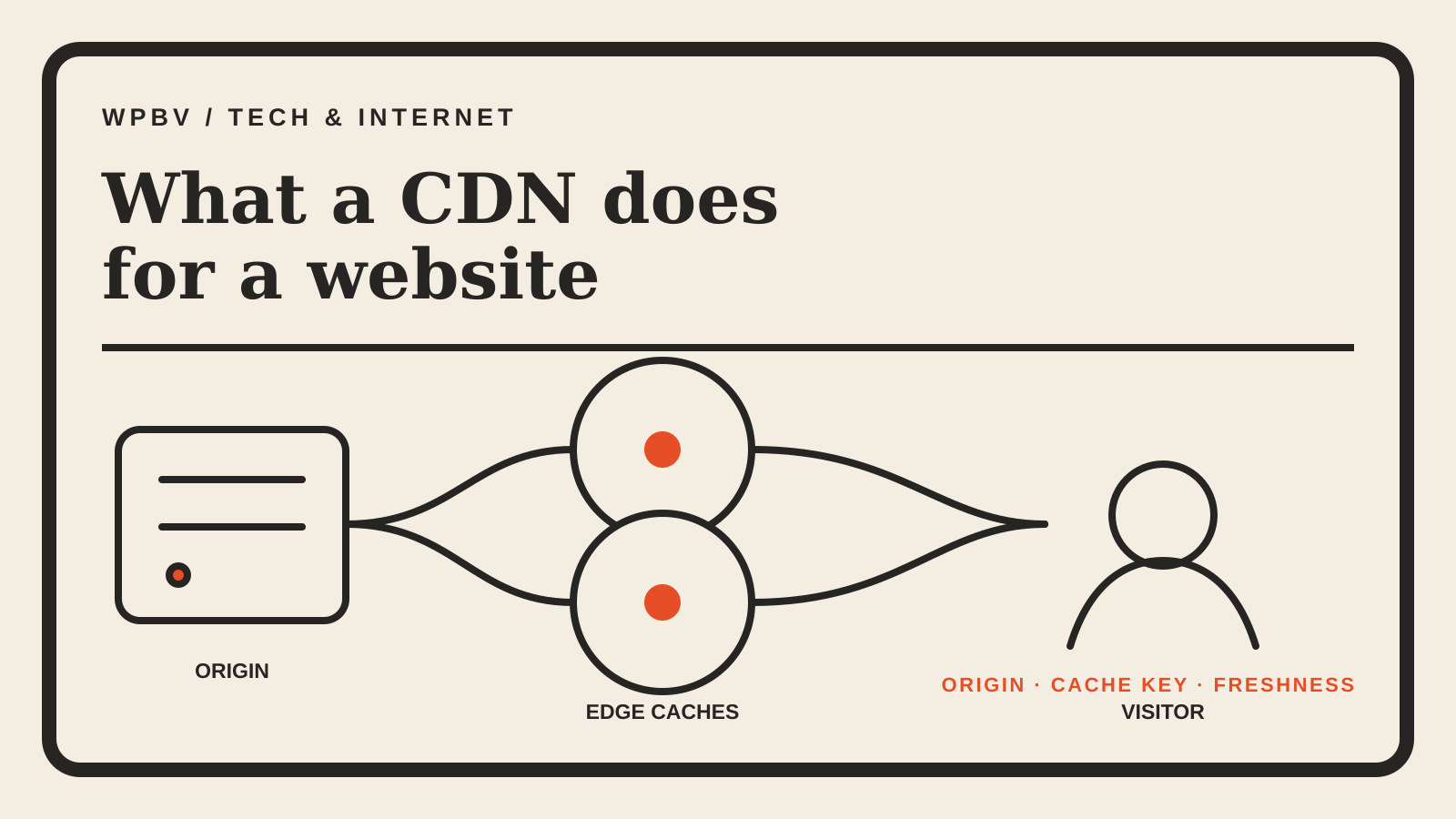
What Is a CDN? How Edge Caching Works
How a CDN uses edge caches, origins and TTLs—and what it cannot fix.

Pro Rata Rights Explained: What Early Investors Keep
How a pro rata right lets an investor keep its stake in the next round, with worked numbers.
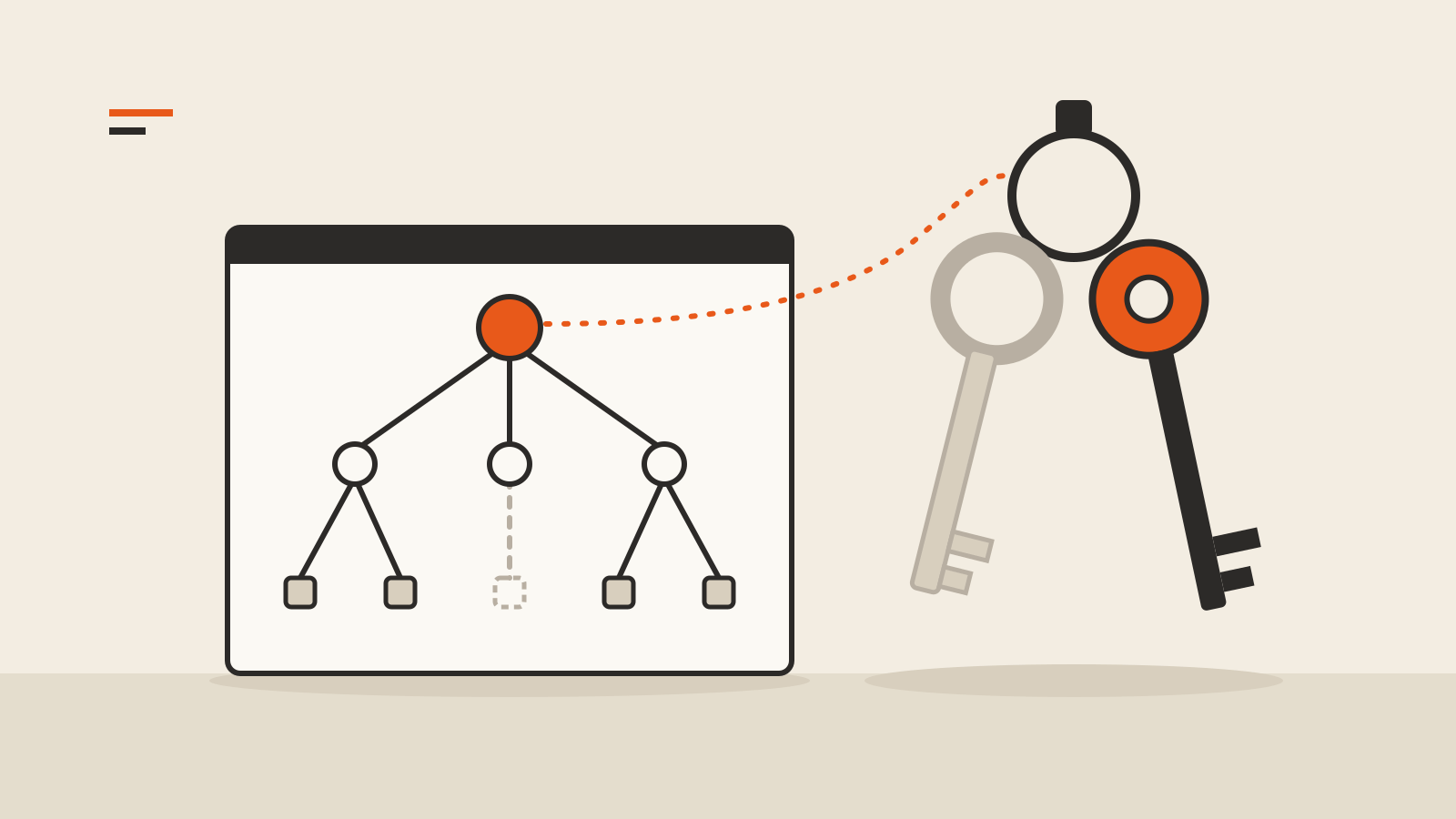
Root KSK Rollover 2026: DNS Root Zone Switches to KSK-2024
The DNS root zone began signing with KSK-2024 on October 11, 2026. Here is who can be affected.
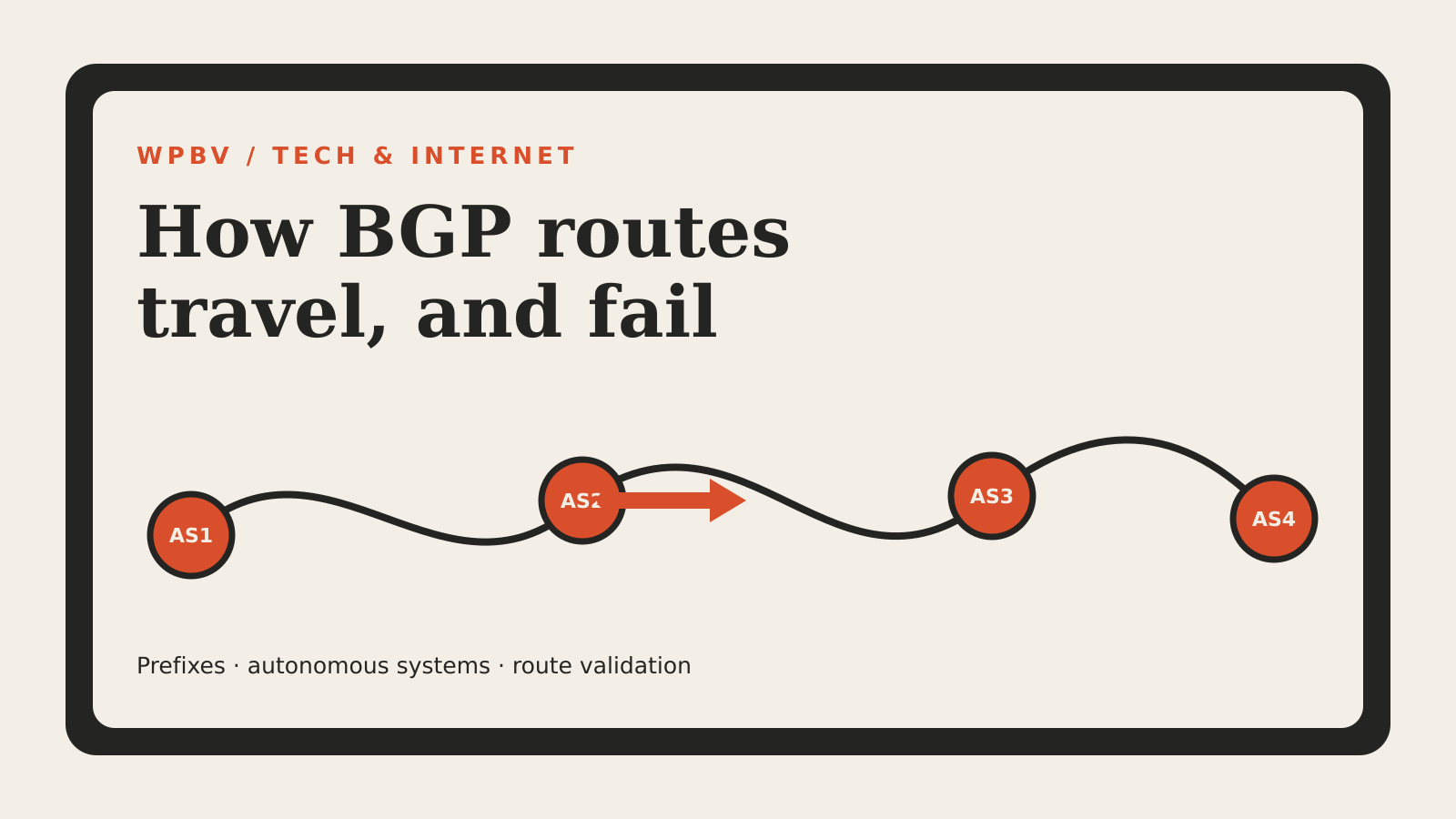
BGP Explained: How Routes Spread
How BGP spreads routes, why bad announcements travel, and what RPKI origin validation checks.

AWS Lambda Web Functions Run Ordinary Web Servers on Lambda
AWS Lambda Web Functions run a standard Node.js web server on Lambda, with up to 128 requests per environment.

Liquidation Preference Explained, With Worked Numbers
Who is paid first when a startup is sold, worked through 1x, 2x and participating terms at four exit prices.
Oxide Raises $445 Million Series D to Fill a Hardware Backlog
Oxide raised $445 million, led by Eclipse, to buy parts and build racks as orders outrun supply.
How DNS Works, and Why It Shows Up in So Many Outages
How a name becomes an address, why caching makes failures uneven, and the three ways DNS breaks in real outages.