Cloudflare Radar recorded 49 internet disruptions between July and September 2026, Cloudflare said in its quarterly disruption summary published on Tuesday, October 27. Government-directed shutdowns were the most frequent cause, with 19 incidents, followed by 14 power outages and five natural disasters.
Cloudflare bases the count on traffic to its own customers; the company says its network handles more than 20% of web traffic. The report covers country- and network-level connectivity loss, not outages of individual cloud services.
Shutdowns: mostly Iraq’s exam days
Eighteen of the 19 government-directed shutdowns were exam-related shutdowns in Iraq. Cloudflare says they ran on a fixed schedule, starting between 03:30 and 04:00 UTC and lasting about 15 to 90 minutes each. Most fell between August 26 and September 28, with three between July 1 and 8.
The other shutdown was in Ethiopia, where renewed conflict in the Tigray region came with a government-directed shutdown that lasted 10 days. Traffic from the region fell by 100%, and country-level HTTP traffic dropped by up to 30%.
Syria and Sudan, which have also cut access during exams in recent years, did not record exam shutdowns this quarter. Cloudflare says that likely reflects different exam calendars rather than a change of policy.
Power failures took networks down with them
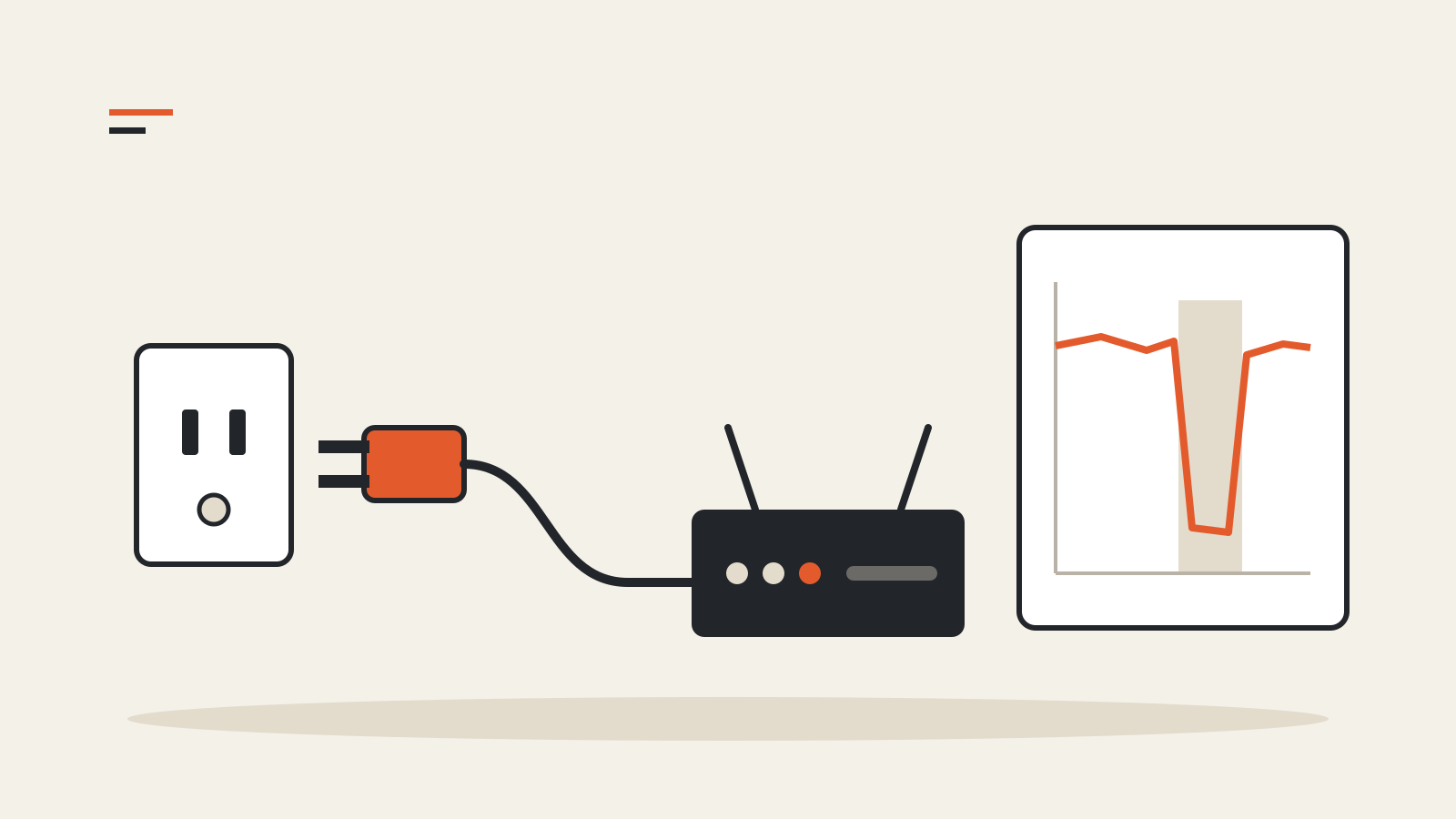
Radar logged 14 power-related disruptions across 10 countries. Examples from the report:
- Cuba had four power-related outages: July 6, July 14, August 3 and a three-day blackout from September 18 to 20. Traffic fell by between 18% and 59%.
- Honduras lost connectivity on September 10 when a power failure hit an interconnection facility used by at least 11 major providers. National HTTP traffic fell 63% for about three hours. Two networks, Telecomunicaciones de Guatemala and Celtel, were unaffected; Cloudflare suggests they rely more on infrastructure outside the country.
- United States: on August 13, a cooling-system failure at a data center in Phoenix caused a near-total drop in traffic from Namecheap’s network.
The Honduras case is the one infrastructure teams will recognize: one shared exchange point becomes a single point of failure for most of a country. Our explainer on why unrelated apps fail together covers the same pattern inside cloud platforms.
Storms and earthquakes
Super Typhoon Bavi caused widespread power outages in Guam, its second major storm-related connectivity disruption of the year. A magnitude 7.4 earthquake in Colombia in August caused a four-and-a-half-day disruption, with fiber damage cutting traffic from Colombia Telecomunicaciones. In Japan, a magnitude 7.1 earthquake in Kumamoto mainly reduced desktop traffic while mobile traffic held up. Flash floods in Nepal on August 26 cut power and caused a two-hour disruption with traffic down by up to 18%.
Most disruptions were short
Of the 49 events, 14 saw traffic return to typical levels in under an hour and 16 recovered in under three hours. Radar also noted outages within single networks, including One Communications in Guyana after a cable cut and MEO in Portugal after what the operator reportedly called a “mass attack.”
Provider-level incidents with their own post-incident reports are listed in our outage tracker.