
Tech & Internet
The infrastructure, privacy and platforms behind digital life.
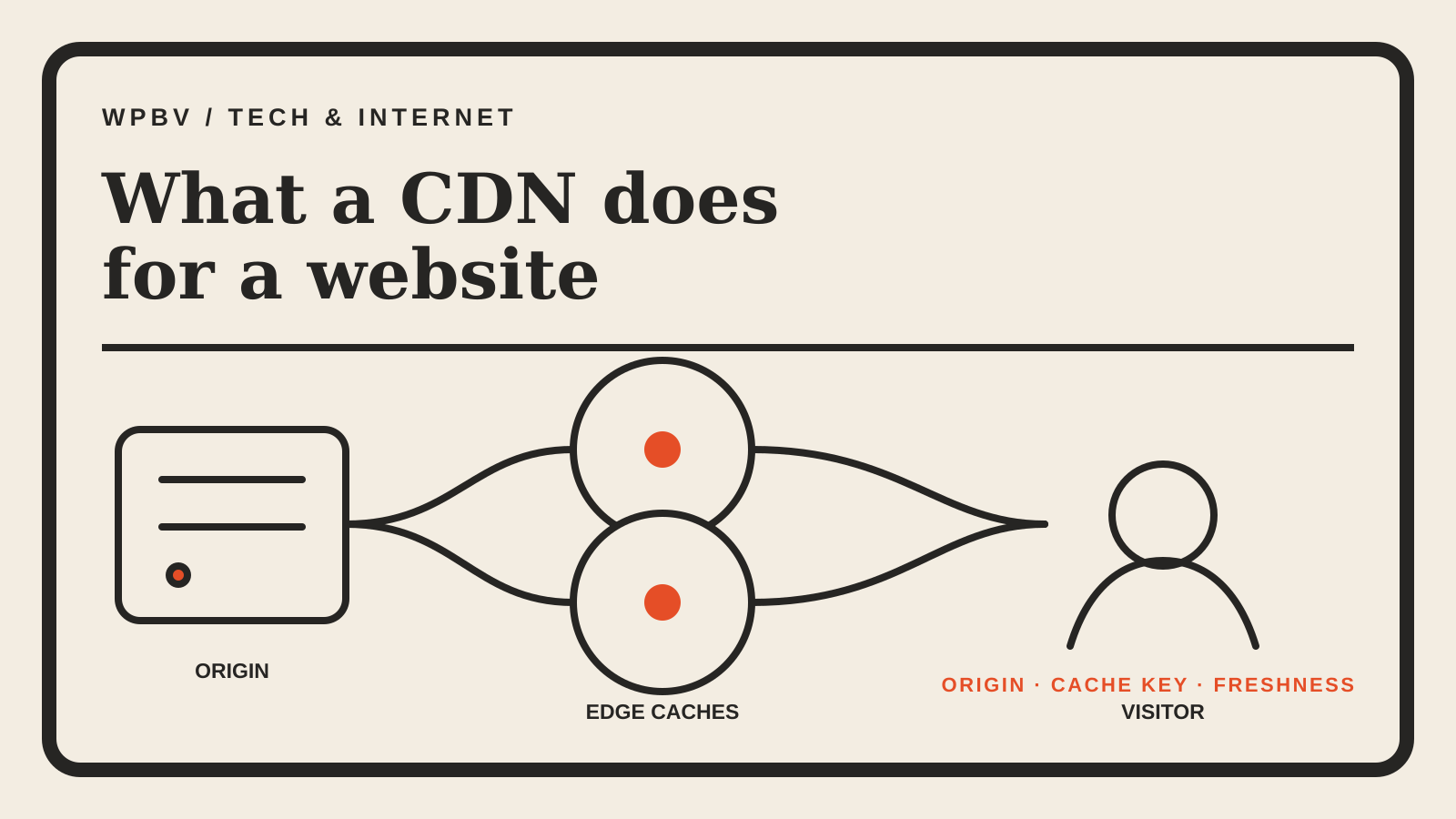
What Is a CDN? How Edge Caching Works
How a CDN uses edge caches, origins and TTLs—and what it cannot fix.
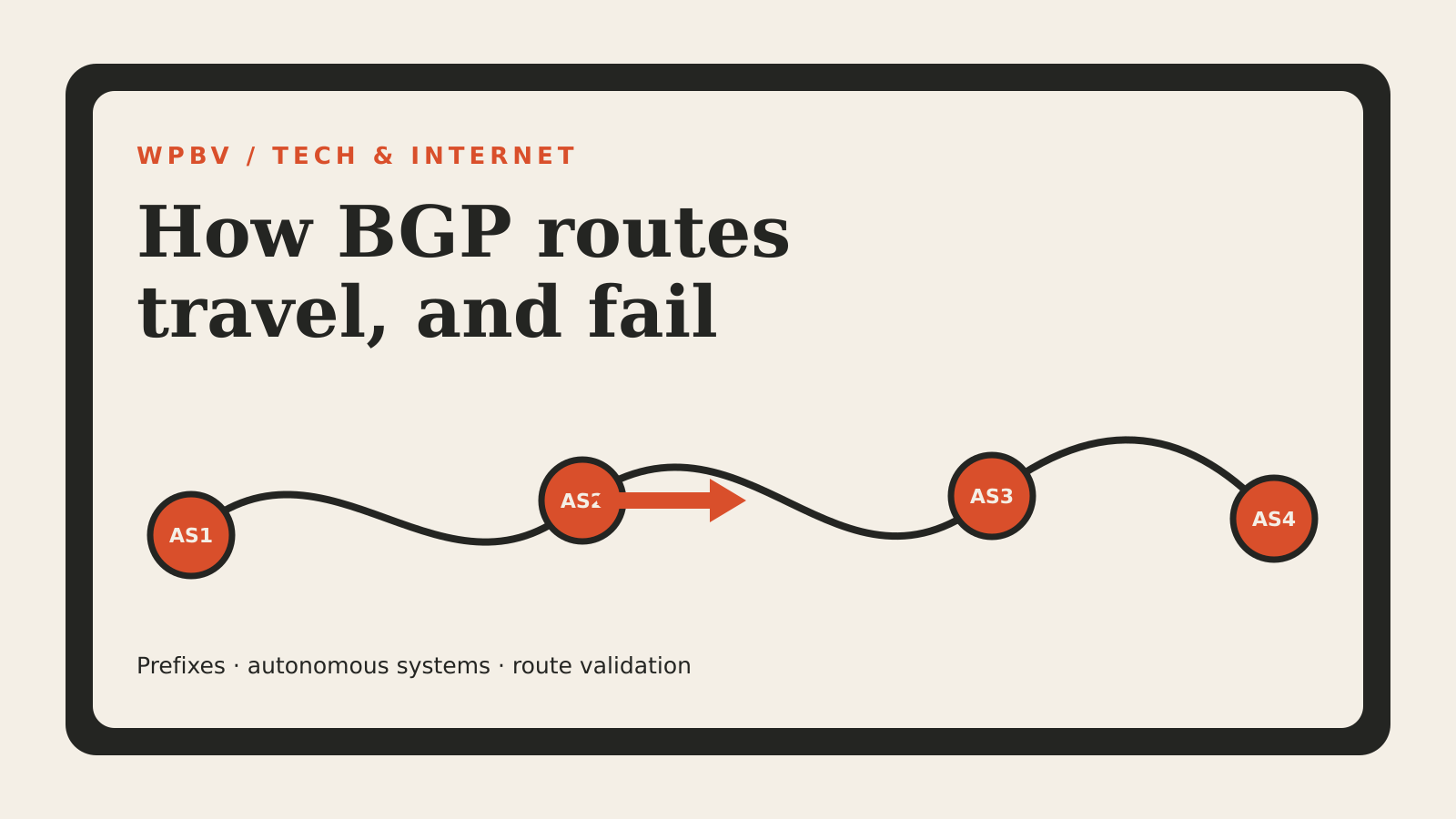
BGP Explained: How Routes Spread
How BGP spreads routes, why bad announcements travel, and what RPKI origin validation checks.
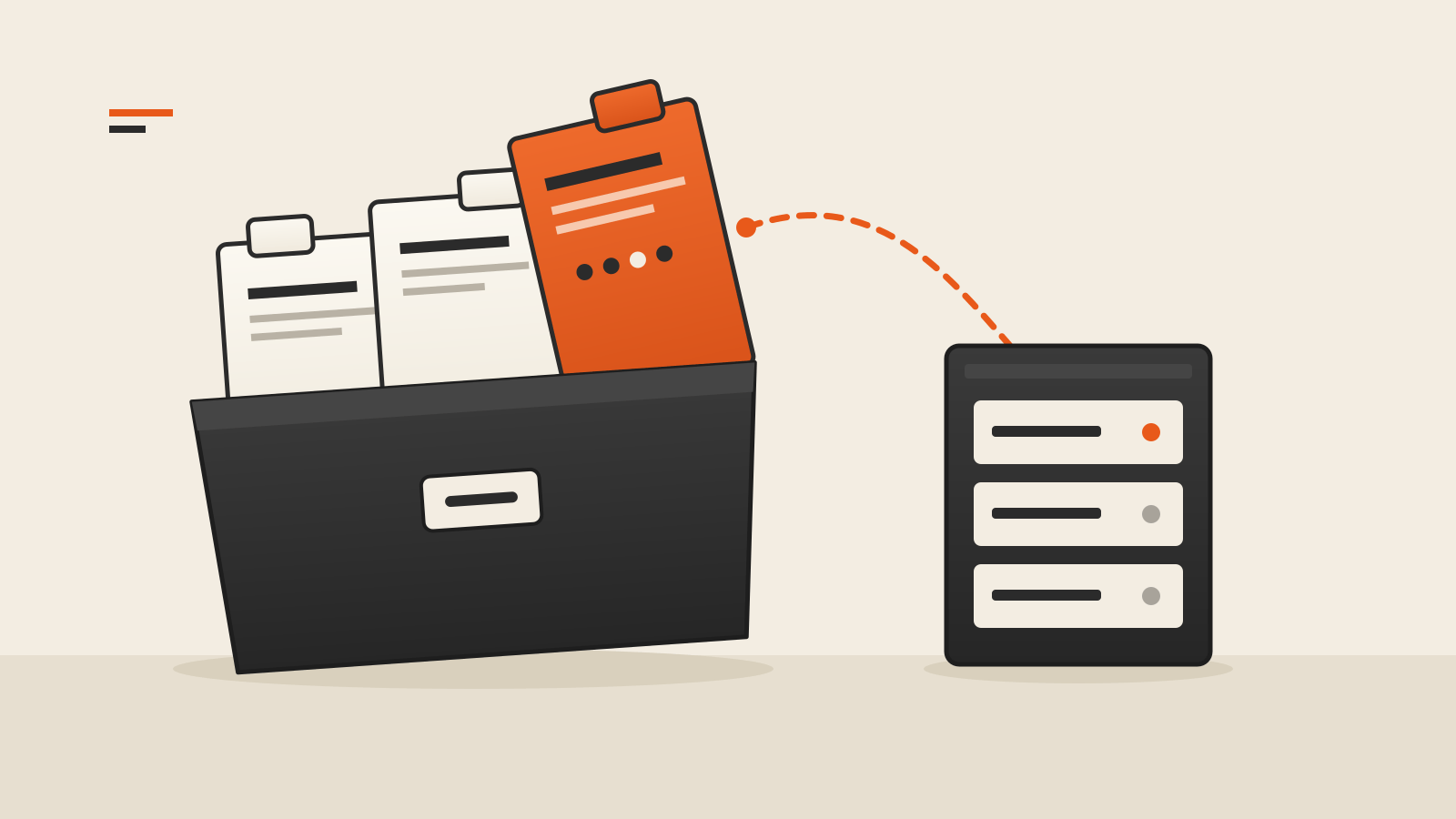
How DNS Works, and Why It Shows Up in So Many Outages
How a name becomes an address, why caching makes failures uneven, and the three ways DNS breaks in real outages.
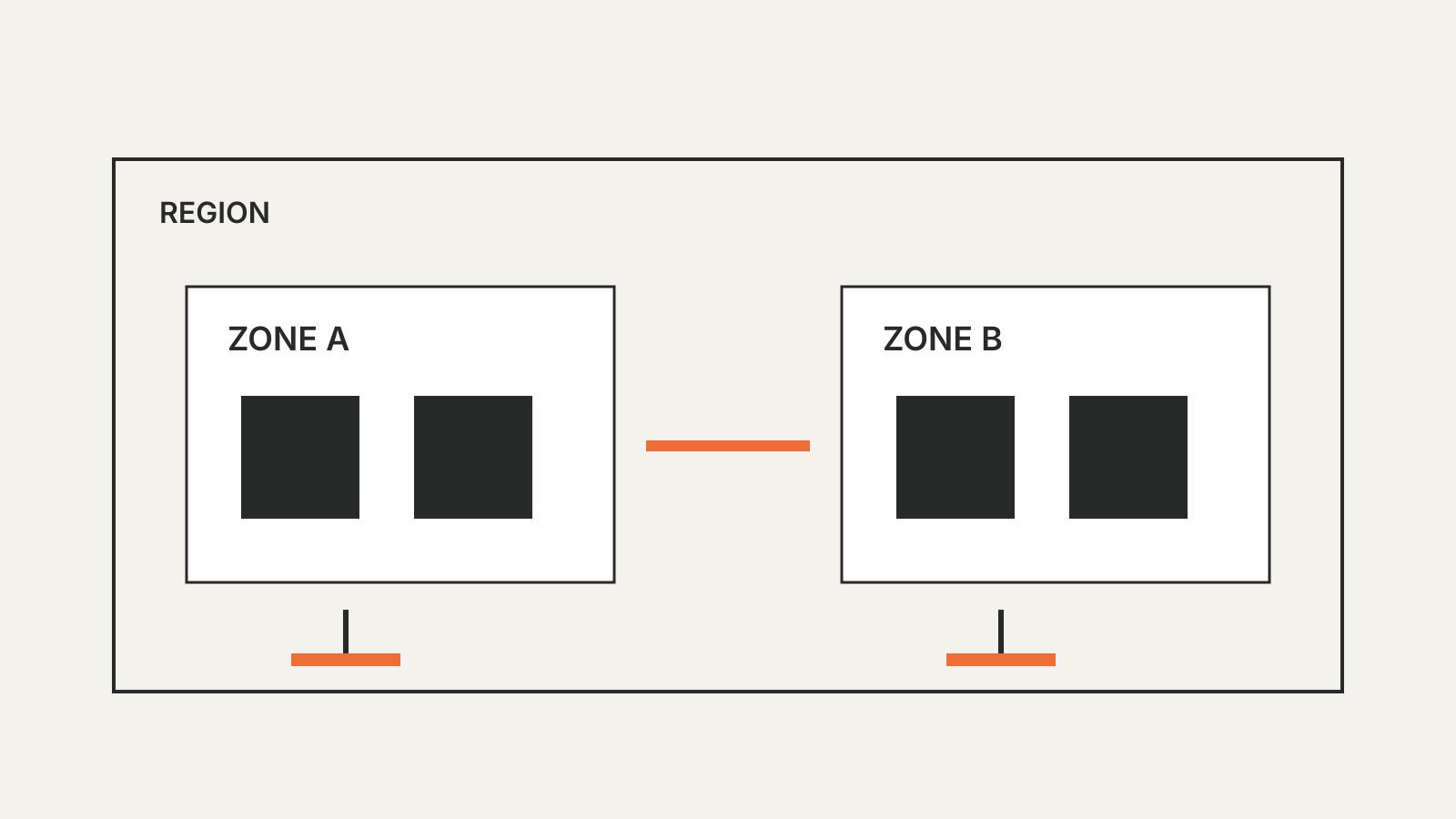
Availability Zones Explained: Regions and Failures
A second zone helps only when data, capacity, dependencies and recovery routing can use it.
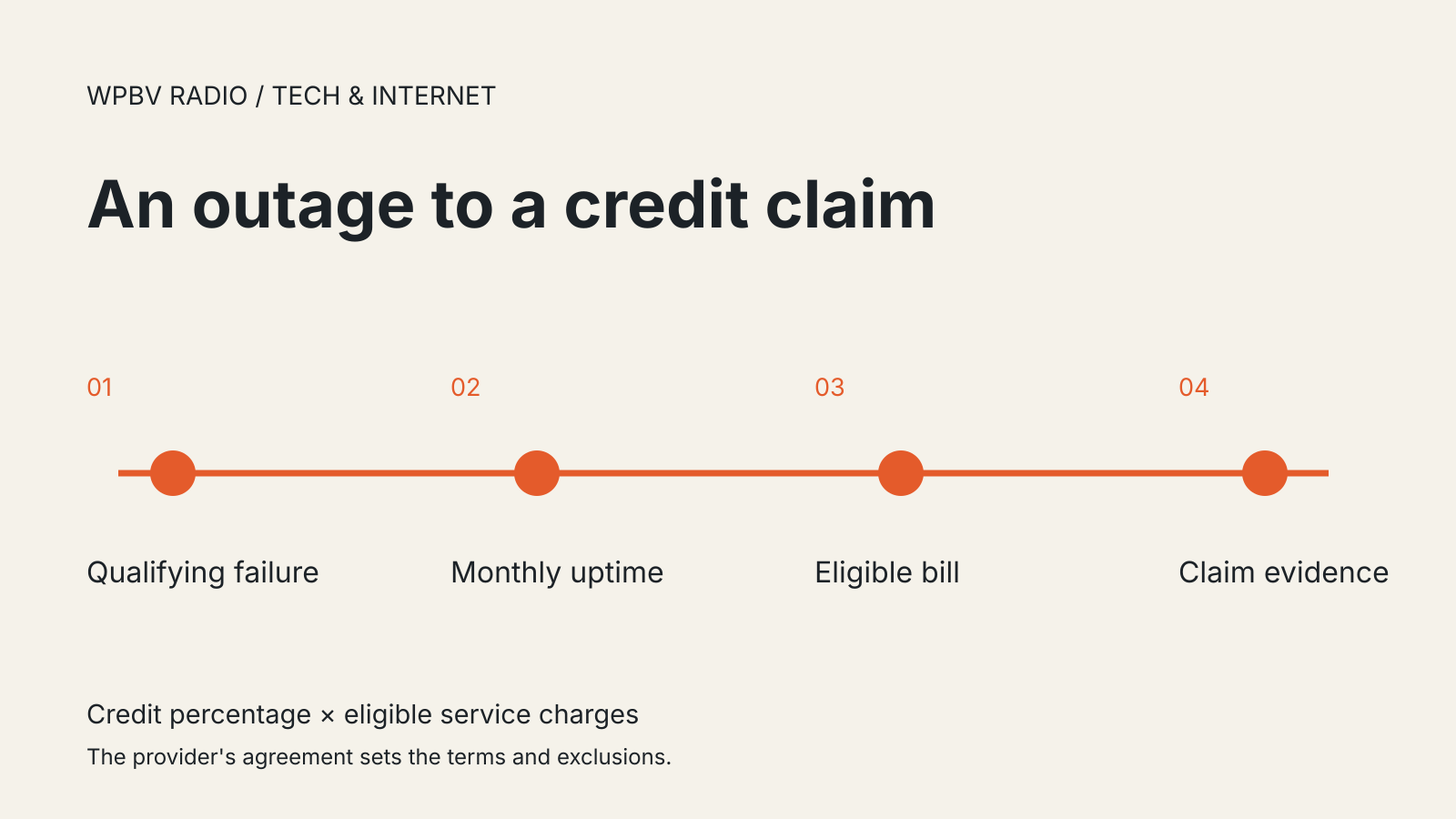
Cloud SLA Credits: What a Provider Owes After Downtime
Use the service agreement, uptime calculation and eligible bill to assess a cloud credit claim after downtime.
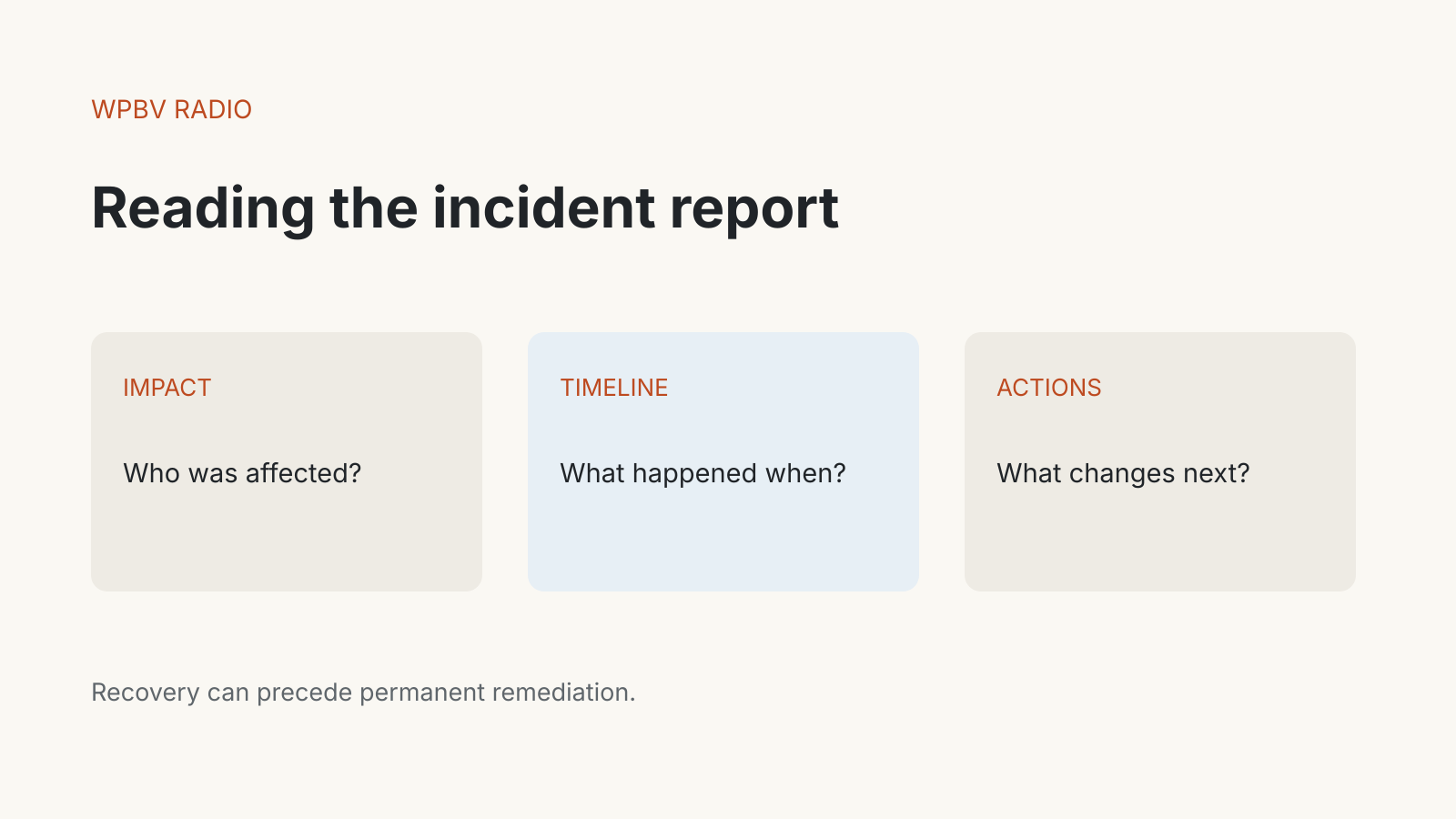
How to Read a Post-Incident Report
Read the impact, timeline and follow-up actions separately to understand an outage and its unresolved work.
Status Page During an Outage: Why It Lags Behind the Problem
Your app is failing and the provider's page is still green. Where the first minutes go, and where to look instead.
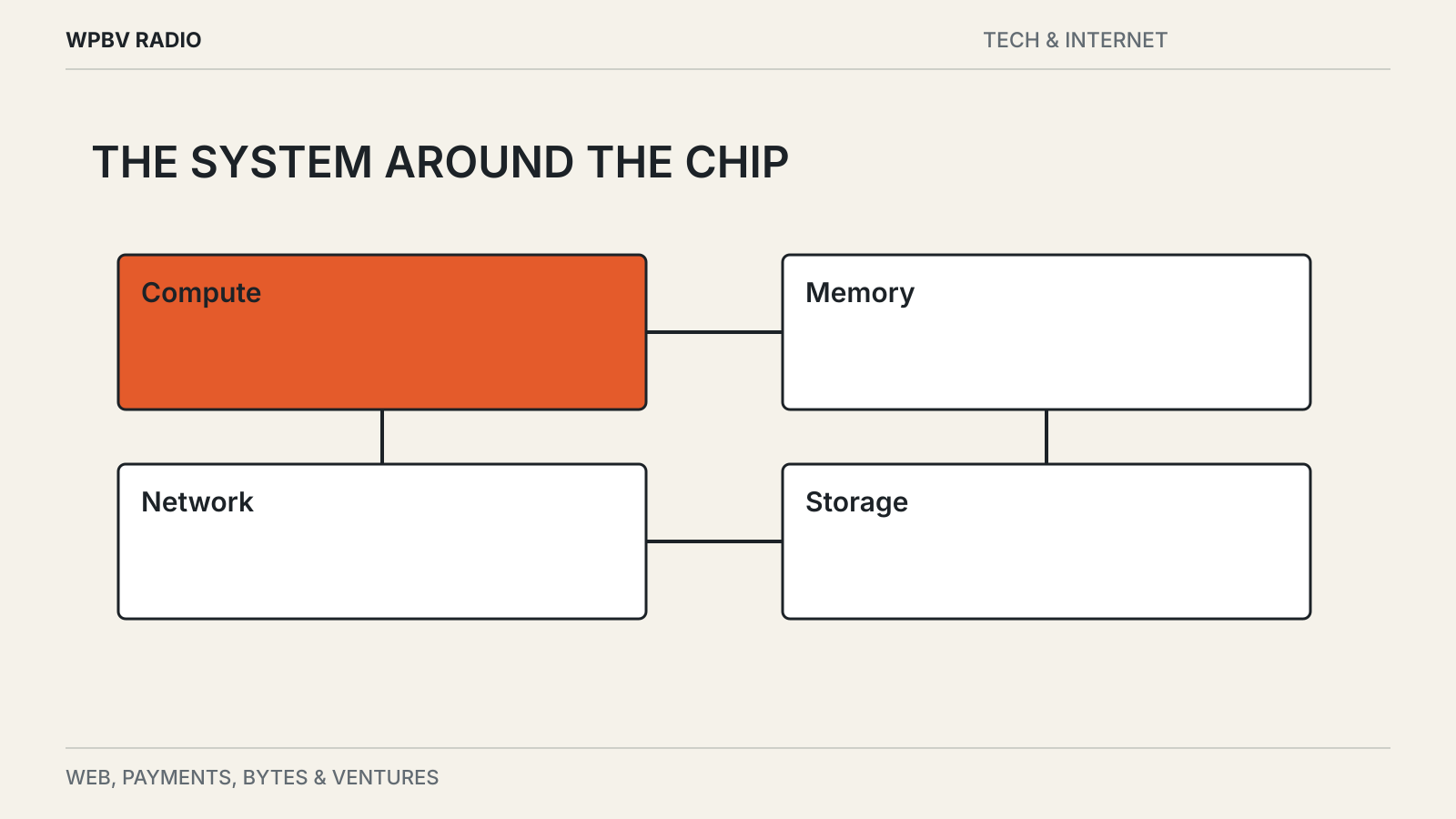
Why AI Services Need More Than Powerful Chips
Memory, networking, storage and scheduling determine whether expensive processors stay busy.
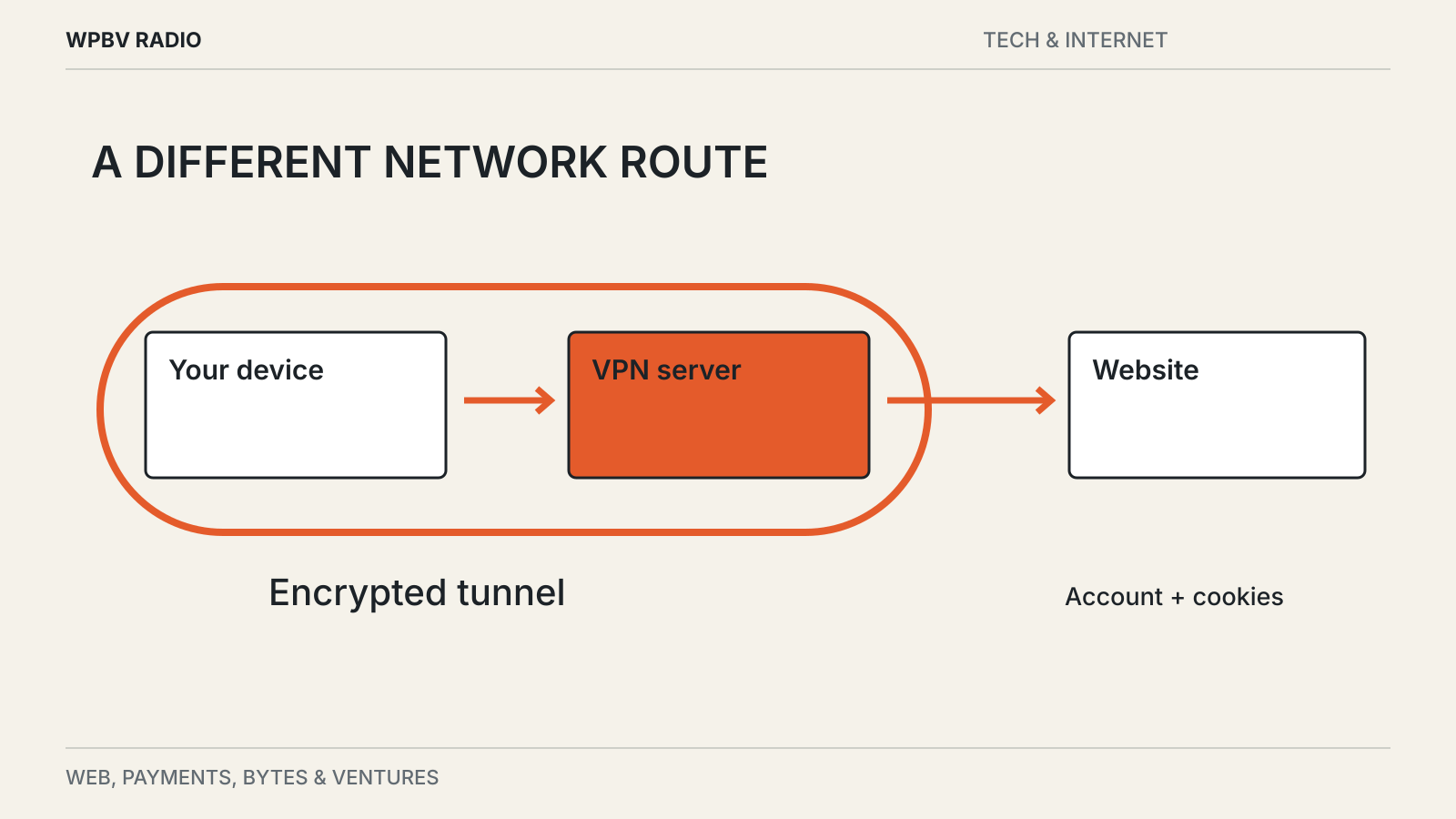
What a VPN Can Hide, and What It Cannot
Changing the route of your traffic changes who can observe it. It does not erase your account or browser.
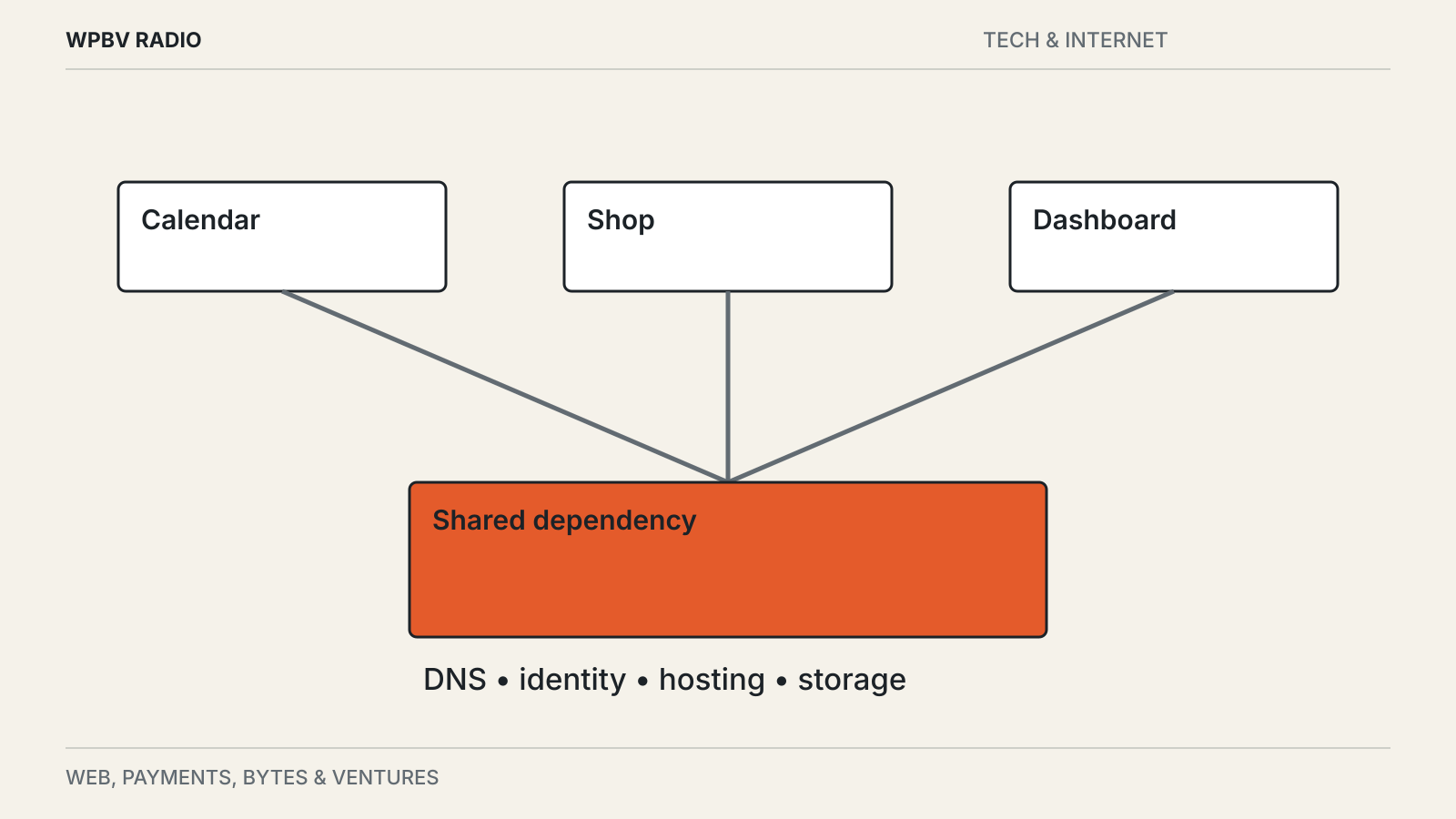
Why One Cloud Outage Can Break Unrelated Apps
Different logos can sit on the same DNS, login, storage or hosting service.
Explore why unrelated apps can fail together, what a VPN changes about network visibility and why AI systems depend on memory and data movement as well as chips. Each guide follows the supporting infrastructure back to a practical user experience. The aim is to make technical claims easier to question without assuming specialist knowledge.
Visit the Tech & Internet desk for current reports alongside these explainers.