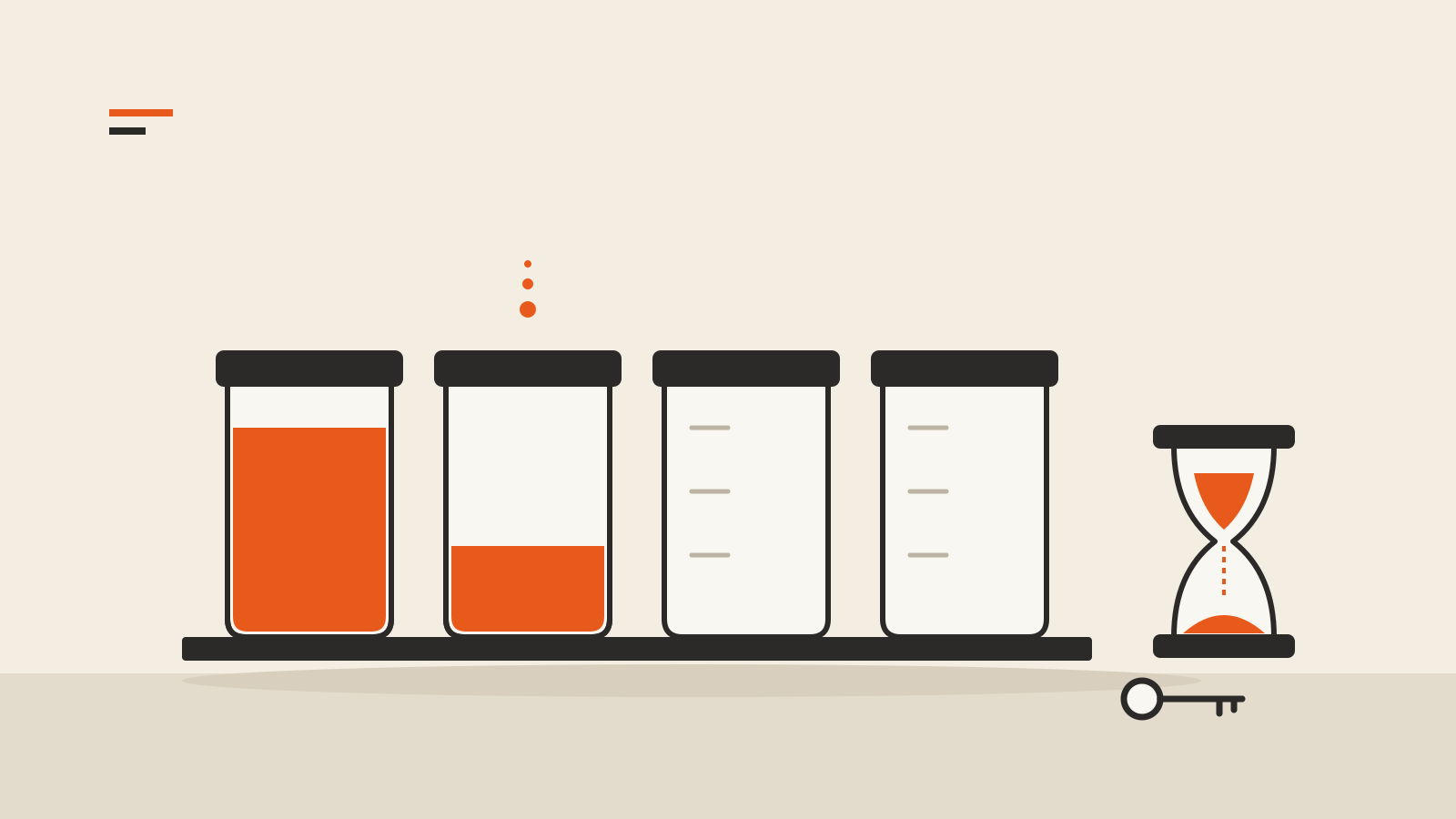
Startup runway calculation estimates how long a company’s cash will last at a stated rate of spending. The number is useful only with its assumptions: which cash is available, how much leaves each month and how much actually comes in. A hypothetical company with $900,000 available and $75,000 of monthly net burn has 12 months of runway if that burn stays constant.
Calculate the monthly cash gap
Start with cash the business can use. Keep money reserved for a specific obligation separate when it cannot fund ordinary spending. Then build a monthly record of payments and receipts from the bank account, with dates attached.
For a simple operating view, gross burn means cash spent during the month. Net burn subtracts operating cash receipts from that spending. State the definition alongside the number, because a total that includes a one-off purchase answers a different question from a recurring operating estimate.
In a 2019 Startup School finance session, Kirsty Nathoo describes calculating burn from money out minus money in, using recent months to understand the average. Dividing the cash balance by that monthly burn produces a runway estimate. The forecast still needs updating when the spending pattern changes.
Work through a hypothetical example
Assume a small software company has $900,000 of available cash. During a representative month it pays $120,000 and collects $45,000 from customers.
Its monthly net burn is:
$120,000 − $45,000 = $75,000
The startup runway calculation is then:
$900,000 ÷ $75,000 = 12 months
Those figures are invented for this example. They describe a constant monthly cash gap, with no future financing or change in sales assumed.
Now consider a hiring plan that increases monthly payments to $145,000 while customer receipts stay at $45,000. Net burn becomes $100,000, so the same cash supports nine months. A founder presenting the original 12-month estimate alongside that hiring plan would be mixing two different forecasts.
A spreadsheet can show both cases side by side. Keep the opening cash balance identical and change only the spending or receipt assumptions being tested. The difference then has a clear cause.
Profit, invoices and cash arrive at different times
An invoice sent to a customer can remain unpaid when payroll falls due. A profitable month can also coincide with a large cash payment. The SEC’s guide to financial statements explains that the income statement and cash-flow statement show different information: profit measures earnings, while cash flow tracks cash movements. It also separates operating, investing and financing cash flows.
For this hypothetical company, replacing $45,000 collected with $80,000 invoiced would overstate the cash available to cover that month’s bills. Track the collection date separately. Keep an expected investment round in a financing scenario until funds have arrived; it cannot pay a current invoice while it remains a promise.
A funding announcement also leaves important questions about the business unanswered. Our guide to reading a startup funding round explains which details to look for beyond the headline amount.
When the simple formula needs a calendar
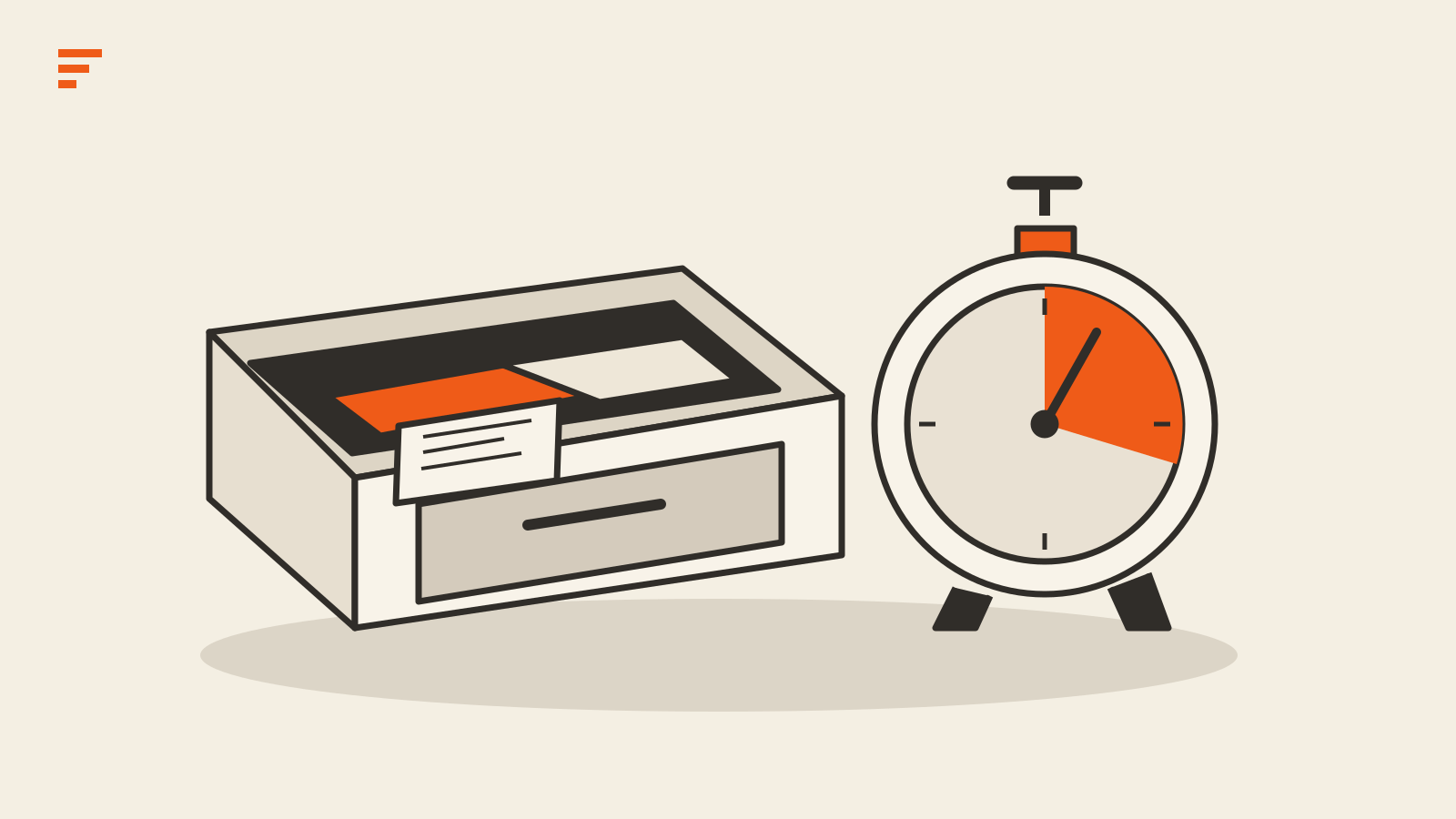
Annual software renewals, taxes and a large equipment purchase can make spending uneven. A monthly average smooths that pattern but can hide an earlier cash squeeze. Build a dated cash schedule when a large payment or delayed collection could arrive before the apparent runway ends.
For example, set out the next quarter month by month and subtract each expected payment when it falls due. Add customer receipts on the collection dates used in the forecast. Reconcile the opening balance to the bank and record any revised assumptions beside the affected month. A forecast is easier to review when another person can follow each change.