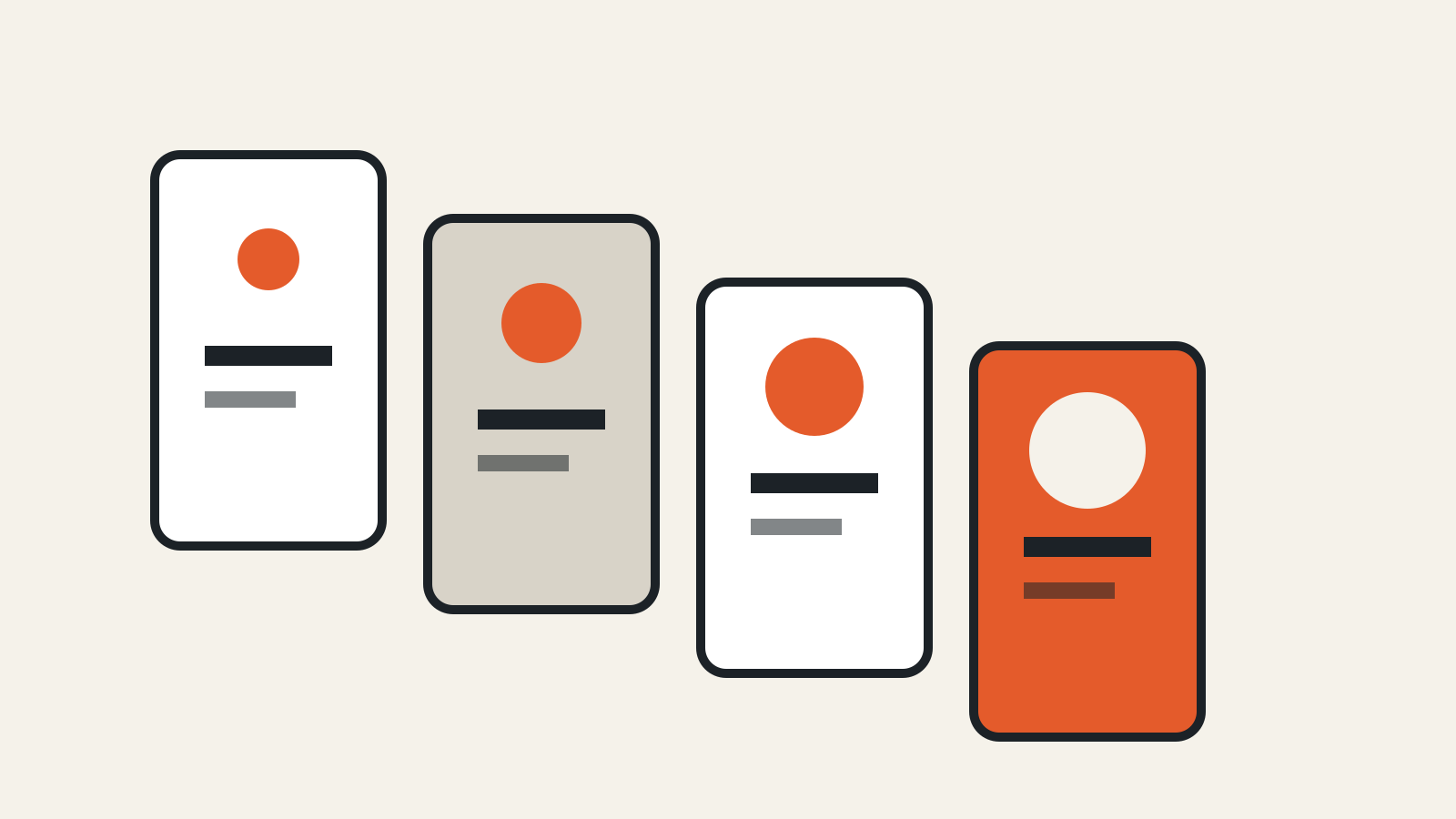
Browser release channels trade stability for earlier access to changes. Stable suits daily use, while Beta, Dev, Canary and Nightly builds help testing but carry progressively greater risk of bugs or breakage.
The names are similar across browsers, but their cadence and data-sharing defaults are not identical. Read the channel page for the browser you install.
Stable is the default
Stable is the build intended for most people and most production devices.
Google’s Chrome guidance says Stable has been fully tested by the Chrome team and should be used for most users. It receives regular major and maintenance releases.
Use Stable for:
- your main personal profile;
- payment, identity and work applications;
- shared family devices;
- production support;
- any machine where an unexpected browser failure is expensive.
Stable does not mean bug-free. It means the change has passed through earlier channels and the vendor considers it ready for the broad audience.
Beta is the practical preview
Beta is the closest preview of the next stable release. It is useful when a website, extension or managed fleet needs warning before a change reaches everyone.
Google recommends putting a small share of organisational users on Chrome Beta so compatibility problems can surface early. Mozilla describes Firefox Beta as its most stable pre-release build.
Good Beta users include:
- web developers checking a coming platform change;
- IT teams validating internal applications;
- extension maintainers;
- support staff reproducing a problem reported against a future release.
Beta can still break. Keep a Stable browser installed for work that cannot wait.
Dev and Developer Edition move earlier
Chrome Dev is earlier and less stable than Beta. Google positions it for developers and IT staff testing compatibility with upcoming APIs and features.
Firefox Developer Edition combines a pre-release Firefox channel with developer-focused defaults and tools. Mozilla labels it an unstable testing and development platform.
Use these channels for deliberate testing, not because “developer” automatically makes everyday browsing faster.
Create a separate browser profile. Do not sign it into every personal service, and do not rely on it as the only browser on the machine.
Canary and Nightly are rolling experiments
Chrome Canary is updated frequently and can contain features that later change or disappear. Google says to use it for testing, not ordinary deployment.
Firefox Nightly occupies the comparable early position in Mozilla’s cycle. It gives contributors and developers access to new work before Beta, with more instability and telemetry intended to help find problems.
These channels are useful when you need to:
- reproduce a browser-engine bug;
- test a feature behind a flag;
- prepare for an API change well in advance;
- verify whether a fix has landed.
They are poor choices for a single-browser setup.
Extended Stable slows feature change
Chrome also offers Extended Stable for organisations that want fewer feature changes while continuing to receive security fixes.
A slower feature cadence can reduce compatibility work for managed devices. It does not remove the need for security updates, and it should not be confused with freezing on an old unsupported version.
The browser version tracker lists the current stable versions and scheduled releases. The channel determines when a device receives a feature line; the tracker records which stable version is current.
Install channels side by side
Vendors often allow pre-release channels to be installed alongside Stable. This is the safest testing pattern:
- Keep Stable as the daily browser.
- Install one pre-release channel separately.
- Give it a separate profile.
- Use test accounts and non-sensitive data.
- Reproduce the workflow.
- Record the channel and exact version.
- Recheck in Beta and Stable as the change moves forward.
Do not point several channels at the same profile directory. Profile formats and settings can change, and an earlier build may not understand data written by a later one.
Test the workflow, not only the page load
A page opening successfully proves very little. Check the actions users depend on:
- sign-in and passkeys;
- payment and checkout;
- file upload and download;
- camera and microphone permissions;
- printing and PDF export;
- extension behaviour;
- copy and paste;
- local storage and offline mode;
- accessibility navigation.
For an internal app, include identity-provider redirects and third-party widgets. A browser change can affect one embedded step while the main page still looks normal.
Read channel data settings
Mozilla states that its pre-release channels send data by default to help test ideas and diagnose problems. Enterprise policies and browser settings can change what is collected.
Review telemetry, sign-in and sync settings before using a work account in a development channel. A test profile should contain only what the test needs.
Which channel should you choose?
| Need | Channel |
|---|---|
| Reliable everyday browsing | Stable |
| Check the next release | Beta |
| Test earlier web-platform changes | Dev or Developer Edition |
| Follow newest browser-engine work | Canary or Nightly |
| Slow Chrome feature rollouts in a managed fleet | Extended Stable |
If you are unsure, use Stable. Install Beta separately when a specific compatibility question appears.