doxx.net announced a $38 million Series A on October 1 and opened a beta of what it calls Agentic Defined Networking: a private network that people, and the AI agents acting for them, can set up and configure themselves. Andreessen Horowitz led the round, with Animo Ventures and Focal.vc participating.
The company was founded by Barrett Lyon, who started the DDoS-protection company Prolexic, later acquired by Akamai. According to doxx.net’s press release, distributed through Business Wire, a16z partner Joel de la Garza joins the board. The investor confirmed it led the round in its own post, Investing in doxxnet, written by de la Garza and Martin Casado.
What the network does
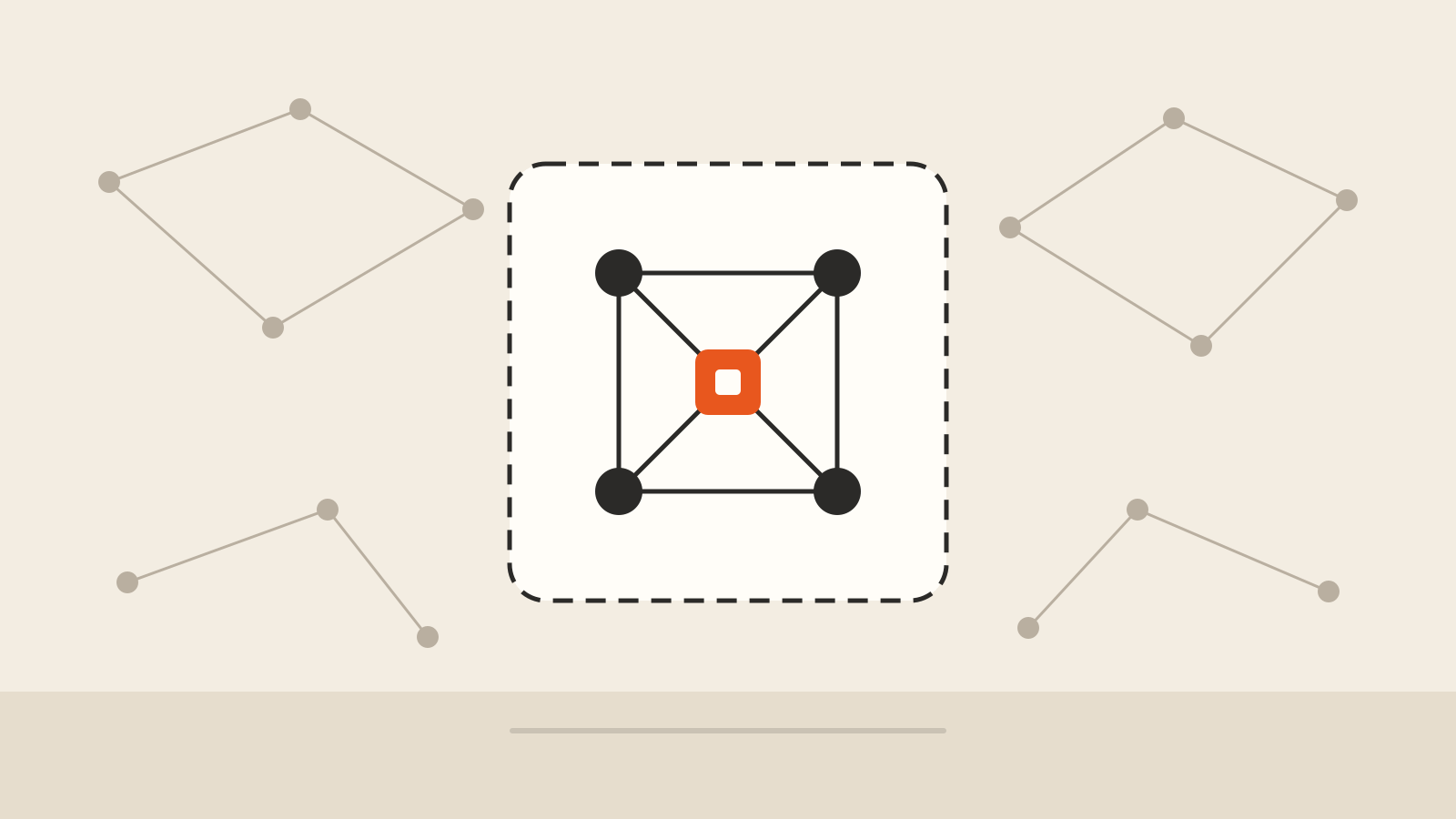
doxx.net describes a “parallel” network that runs on infrastructure it owns end to end. Its release lists its own IP space and autonomous system number, its own DNS root, its own certificate authority and its own bare-metal servers. a16z’s post adds that users can create domains that resolve only inside this network, secured by doxx.net’s certificate authority rather than the public internet’s.
On top of that sit the consumer features. The company lists:
- Peer-to-peer communication: end-to-end encrypted calls, video, chat and file transfers with no communications server in the middle.
- DNS protection: 30 filter lists combined with a neural network to block phishing and malware sites before a person or agent connects.
- Covert networking: six protocols designed to make private-network traffic look like ordinary web browsing, for places where VPNs are blocked.
- Onion routing and anti-fingerprinting, to make tracking across sites harder.
Sign-up asks for no email address or phone number. The release says accounts are created through proof-of-work instead of usernames and passwords.
Where agents come in
The “agentic” part is the pitch that sets this round apart. doxx.net says agents get their own network identity, private channels to their users and to each other, and a full network API with native support for the Model Context Protocol. Through it, an agent can lease IP addresses, connect devices and set firewall rules under the user’s policies.
a16z’s argument is about exposure. An agent that reads documents, calls APIs and browses on someone’s behalf carries that person’s data and accounts into every connection it makes, so where it connects and who can observe those connections becomes the user’s problem. doxx.net’s answer is to give the agent a defined network with threat filtering built in.
The company says its DNS protection has blocked more than 38 million threats in closed beta since December 2025. That is the company’s own count and has not been independently measured.
What to check before relying on it
The model asks users to trust one company with the network, the naming system and the certificate authority at the same time. That removes third parties, which is the point, but it also concentrates the trust that a VPN user would otherwise spread across a provider and the public internet’s infrastructure. Our explainer on what a VPN can hide covers the questions worth asking of any private-network service.
Availability may also change quickly. The release invited readers to join an open beta, but when we checked on October 2, the doxx.net home page said the open beta had closed and pointed visitors to the company’s Discord for launch updates. Neither the release nor a16z’s post gives pricing.
For other 2026 rounds in AI, security and developer tools, see the tech funding tracker.