Cloudflare launched Cloudflare Basin on October 1, a serverless data platform that collects events, stores them as Apache Iceberg tables in R2 and lets teams query them with SQL. The company says Basin is generally available now.
Basin is not built from scratch. According to Cloudflare’s launch post, it is the Cloudflare Data Platform announced in 2025, now out of beta and under a new name. The three parts get new names too: Cloudflare Pipelines becomes Basin Pipelines, R2 Data Catalog becomes Basin Catalog and R2 SQL becomes Basin SQL.
Three steps on one network
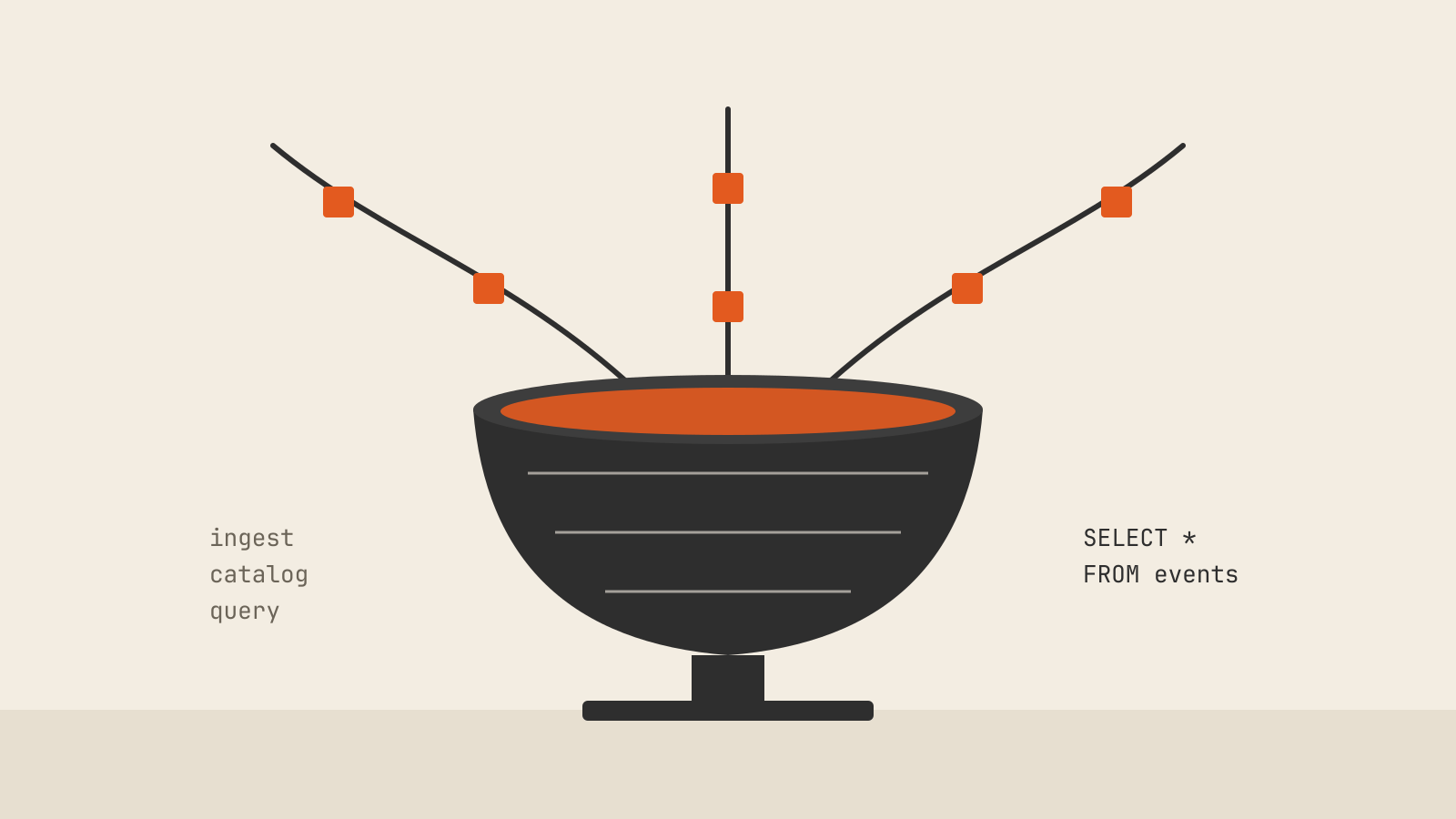
Basin Pipelines receives events from Workers, HTTP endpoints or Cloudflare Logpush, transforms them with SQL and writes them to R2 as Iceberg tables or files. Basin Catalog manages the Iceberg metadata and handles table maintenance such as compaction and snapshot expiration. Basin SQL runs analytical queries across those tables without a cluster to size or start.
The Basin documentation lists one change that shipped with the launch: a single Pipelines stream can now ingest up to 1 GB per second, up from the previous limit of 5 MB per second.
Existing Pipelines, R2 Data Catalog and R2 SQL resources keep working under the new names, Cloudflare says, so teams already on the beta products do not need to rebuild anything for the rename.
The pitch is portability
The central claim in the press release is that customers keep their data in an open format. Because the tables are standard Iceberg, other engines can read them. Cloudflare names PyIceberg, DuckDB, Snowflake and Apache Spark as compatible options.
That only works economically if reading the data from elsewhere is affordable. R2 does not charge egress fees, so an outside engine can query the tables without a transfer bill from Cloudflare. The engine on the other side may still charge for its own compute.
For a reader, the practical test is the same one we suggest when moving notes between apps: an open format matters most on the day you try to leave, so it is worth reading the tables with a second tool early rather than taking portability on trust.
What it costs
Billing is usage-based, with no hourly charge. The Basin pricing page lists Basin SQL at $2.50 per terabyte of compressed data scanned, with 10 GB included each month and a 10 MB minimum per query. Pipelines charges for SQL transforms and for delivery to R2, each with a monthly allowance. R2 storage and operations are billed separately and are not included in Basin’s own rates.
The two customer quotes in the launch materials, from the team behind the OpenCode coding agent and from data platform Bobsled, are customer statements published by Cloudflare. WPBV Radio has not tested Basin.