Supabase announced on October 2 that it is acquiring Turso, the company behind a Rust rewrite of SQLite and a cloud service built to run very large numbers of small databases. On the same day Supabase said it had raised $150 million in new funding led by GIC, with CapitalG, Alphabet’s independent growth fund, as well as IronArc and SquarePeg participating.
The Turso acquisition was announced in three places: Supabase’s blog post, Turso’s blog post and a press release covering the funding. None of them gives a price or a closing date; all three describe the deal as under way.
Why a Postgres company wants SQLite
Supabase is built around Postgres. Its reason for buying a SQLite company is the way AI coding tools now create databases. The press release says Supabase is adding more than one million users and four million databases a month, and that 70% of new databases are created by agents or AI-driven tools. Supabase’s post puts it as “over one million databases per week.”
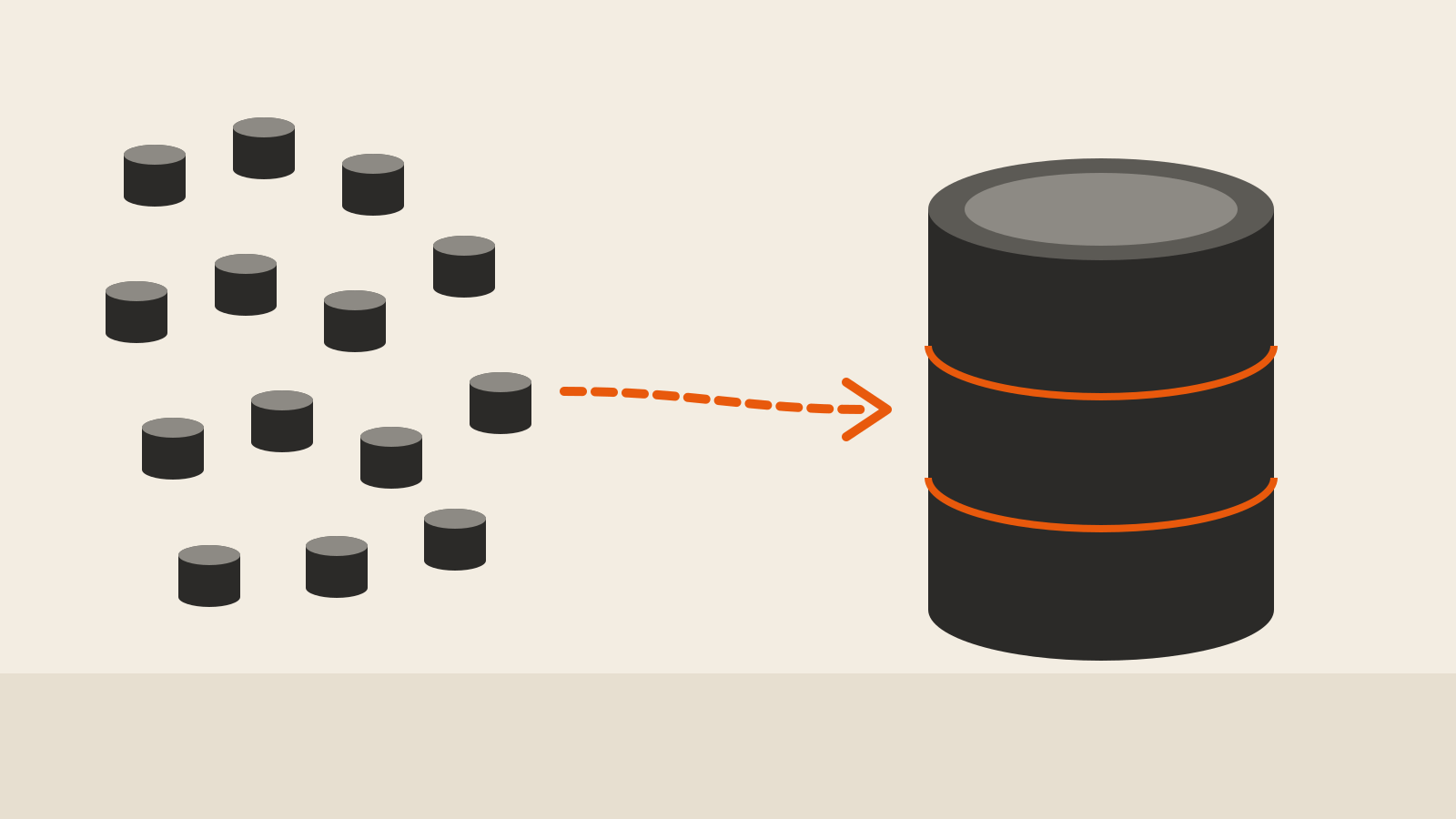
Most of those databases are small. Supabase’s post argues that “agents should be able to create a database as easily as creating a file,” and that a small workload should not need a dedicated machine each time. Its split is plain: “SQLite is well suited to these small, on-demand workloads. Postgres is what you want as your application scales.”
Turso’s contribution is the infrastructure for the small end. According to Turso, it rewrote SQLite from the ground up as open source, removed the single-writer limit that held SQLite back on servers, and runs it on a diskless cloud service that stores the write-ahead log on S3. Supabase describes the result as a platform where a single server can manage millions of databases, “loading them when needed and suspending them when they’re not.” Customers can use it on Turso Cloud or in their own cloud accounts. Both companies name Superhuman, Sauna.ai and Mastra as users; Supabase also lists CTO.new.
What changes for Turso users
For now, both companies say nothing changes for existing customers. “For existing users, nothing changes,” Supabase writes; Turso will keep working on SQLite while Supabase continues with Postgres. Turso’s post lists four commitments:
- the Turso platform keeps running, with existing databases, APIs and workflows unchanged;
- Turso Database stays open source and actively developed;
- applications that outgrow SQLite get a path into standard Postgres through Supabase, up to Multigres for very large deployments;
- deeper integration between the two products is planned “in the coming months.”
The posts make no statement about future Turso Cloud prices or plans. Teams that depend on Turso’s current pricing should treat it as today’s pricing until the companies say more.
Turso founder Glauber Costa joins Supabase as Head of Agentic Services, together with co-founder Pekka Enberg and the rest of the Turso team.
The funding
The $150 million round comes four months after what the press release calls Supabase’s $500 million Series F; the new round is not given a series letter. Supabase says the money will go into product work on databases created by agents and will also provide liquidity for employees. The company says more than 13 million developers use its platform. No valuation was announced.
For other 2026 rounds in AI, security and developer tools, see the tech funding tracker. If you are weighing a move between database providers, our guide to testing an export before you migrate applies to more than notes apps: check what comes out before you rely on it.